Unlocking Startup Gold: How Co-Founders Can Tap 401(k)s with ROBS Without Ruining Their Future

Launching a startup with a group of co-founders? You’re blending a cocktail of diverse talents, bright ideas, and yep — different pockets of cash. But here’s the million-dollar question (or at least a serious “think on this”) — what if you could fund your dream venture without stacking up debt that keeps you awake at night? Enter the intriguing world of Rollover for Business Startups, AKA ROBS. Curious how dipping into your retirement funds can fuel that fresh business flame? Let’s unpack this.
Picture this: many founder teams come stocked with retirement savings tucked away from previous gigs. Instead of chasing loans or courting outside investors, some fortunate founders might just funnel those qualified retirement accounts into jumpstarting their biz. All while dancing carefully with IRS and Department of Labor rules—not exactly your average DIY move. So, if you’re thinking co-founders + 401(k)s + ROBS are meant to be, here’s what you ought to know.
Pooling Retirement Funds: More Than One Can Pitch In
You don’t need a solo act to bankroll your startup’s opening scene. If every founder has eligible retirement money, each can channel those funds properly through a structured ROBS setup. The beauty? Contributions aren’t forced to be equal — maybe one founder’s rolled-up savings dwarf another’s. Ownership shades — percentages and stakes — usually mirror those investments plus whatever deal you hammer out when forming the company. It’s vital, though, that every founder fully grasps how their financial moves tilt ownership before sealing the pact.
Why are so many attracted to ROBS 401(k) business financing? Because it lets you tap into retirement cash without clutching pesky monthly loan payments or penalties. But let’s keep it real — retirement balances rarely line up perfectly. One person might throw in a fat rollover, another might pitch in heavy operational muscle or priceless industry savvy. Laying all this on the table upfront avoids confusion down the road and gets everyone on the same page from day one.
Not Everyone Gets a Free Pass: Eligibility Rules Apply
Just because you’ve got co-founders doesn’t mean everyone’s retirement stash qualifies. Participation hinges on each founder’s own retirement account’s eligibility. Usually, eligible funds must migrate into a qualified retirement plan the newly formed corporation sets up. Plus, the business structure has to tick certain boxes—like operating as a C corporation—to qualify for ROBS.
Before jumping in, founders need to huddle over these essentials:
- Can each retirement account actually roll over?
- How will ownership percentages shake out?
- Who takes care of the retirement plan’s upkeep?
- What ongoing compliance vigil must the business keep post-launch?
Starting these candid chats early isn’t optional — it’s foundational. Different retirement account types might be lurking, so double-checking eligibility early could save endless headaches and stalling later when capital starts flowing.

Does Your Ownership Agreement Reflect Your Investment? It Better!
Here’s where things often get spicy: money isn’t the sole ingredient in this startup stew. Sure, financial chips count, but so does who’s bringing what skillset, market know-how, or shouldering operational duties. It’s common for one co-founder to roll over a hefty 401(k), while another contributes a modest sum but runs daily business operations. This mix—and match—can totally work if you spell it out crystal clear in the ownership agreement. No guessing games, no squabbles later.
Discuss voting rights, future funding rounds, and how to onboard new partners upfront. These conversations don’t sound glamorous but trust me, they grease the wheels when the company’s scaling, growing teeth, and facing the wild ride of entrepreneurship.
Hint: Don’t skip hashing out how future capital boosts shift ownership. Startups often need more dough months into launch, and knowing how extra investments recalibrate equity keeps peace in the founder circle.
Let a Rock-Solid Business Plan Guide the Way
Money talks, but a plan walks—or maybe flies. Before anyone rolls over those retirement bucks, co-founders need to be laser-focused on the business model, sales projections, overhead burn, and growth roadmap. A robust business plan isn’t just paperwork — it’s your startup’s GPS. It helps you nail down startup costs, gauge working capital needs, and see if retirement funds alone will float your boat.
Plus, early planning reveals potential money shortfalls before you open shop — giving you time to tweak funding strategies and launch with confidence.
Compliance Is
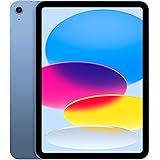
Apple iPad 11-inch: A16 chip, 11-inch Model, Liquid Retina Display, 128GB, Wi-Fi 6, 12MP Front/12MP Back Camera, Touch ID, All-Day Battery Life — Blue
$427.00 (as of September 24, 2026 03:14 GMT +00:00 - More infoProduct prices and availability are accurate as of the date/time indicated and are subject to change. Any price and availability information displayed on [relevant Amazon Site(s), as applicable] at the time of purchase will apply to the purchase of this product.)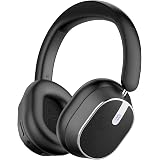
Hybrid Active Noise Cancelling Bluetooth Headphones Wireless Headphones | Over Ear, 120H Playtime, Hi-Res Audio, Deep Bass, Memory Foam Ear Cups for Home Office Travel Black
$29.99 (as of September 24, 2026 03:24 GMT +00:00 - More infoProduct prices and availability are accurate as of the date/time indicated and are subject to change. Any price and availability information displayed on [relevant Amazon Site(s), as applicable] at the time of purchase will apply to the purchase of this product.)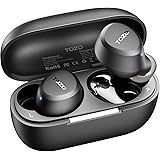
TOZO A1 Wireless Earbuds Bluetooth 5.3 Light Weight in Ear Headphones | IPX5 Waterproof,2 Mics for AI Calls,Immersive Premium Sound Bass Headset with Charging Case,32 EQ via App Black
$13.96 (as of September 24, 2026 03:14 GMT +00:00 - More infoProduct prices and availability are accurate as of the date/time indicated and are subject to change. Any price and availability information displayed on [relevant Amazon Site(s), as applicable] at the time of purchase will apply to the purchase of this product.)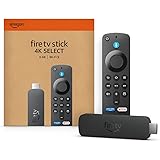
Amazon Fire TV Stick 4K Select (newest model), start streaming in 4K, AI-powered search, and free & live TV, find shows faster with Alexa+
$49.99 (as of September 24, 2026 03:14 GMT +00:00 - More infoProduct prices and availability are accurate as of the date/time indicated and are subject to change. Any price and availability information displayed on [relevant Amazon Site(s), as applicable] at the time of purchase will apply to the purchase of this product.)













Post Comment