Why Hustling to Build a Business from Scratch is a Dead End—and Buying One is Your Shortcut to Six-Figure Success

Ever sat there wondering why so many would-be entrepreneurs dive headfirst into launching their own business, armed with nothing but a dream and a whiteboard, only to watch those dreams fizzle out sooner than they hoped? It’s a brutal game, starting from scratch — the stats don’t lie: nearly half of new businesses don’t make it past five years. But here’s a little secret that most folks overlook: you don’t actually have to begin with zero. Imagine stepping into the driver’s seat of a business that’s already got customers, cash flowing, and a playbook scribbled out from years of real-world hustle. Sound too good to be true? Well, it’s not. There’s a quiet revolution happening right now—entrepreneurs are skipping the startup chaos and instead buying “boring” but profitable businesses, like landscaping gigs or laundromats. These businesses might not make headlines, but they pack a punch where it counts—in your wallet and peace of mind. What if the shortcut to six-figure cash flow isn’t about reinventing the wheel, but just taking over one that’s already spinning? Buckle up, because this isn’t just business advice—it’s a mindset shift that could change how you think about entrepreneurship forever. LEARN MORE

Key Takeaways
- Buying a business can be less risky than starting one.
- Established businesses offer proven revenue and customers.
- Retiring Baby Boomers are creating acquisition opportunities.
- Careful due diligence helps avoid costly mistakes.
- Cash-flowing businesses can become long-term wealth builders.
Every year, millions of aspiring entrepreneurs sit down with a blank notebook and try to invent the next big thing. And every year, most of those ideas quietly die – not because the founders lacked hustle, but because starting from zero is brutally hard. According to data, roughly 20% of new businesses fail within their first year, and nearly half don’t survive past year five.
But here’s what most first-time entrepreneurs never consider: you don’t have to start from zero at all.
There is a quiet opportunity in the small business world right now. Entrepreneurs are not building flashy startups. They’re buying “boring” businesses like landscaping companies, laundromats, and niche local service providers. Why? Because they already have customers, revenue, and proof that the model works.
The Case for Boring
When you start a business from scratch, you’re really doing two jobs at once: building the business itself, but more importantly, proving that it should exist. This is called a product-market fit (PMF) defined as “the stage where a company’s product or service perfectly satisfies a strong market demand.” The venture capitalist Marc Andreessen also describes PMF as the single biggest killer of new ventures and an open question you might spend years and your life savings trying to answer.
Well, suppose you buy an existing business instead. The revenue is real. Customers are in line. The playbook, however messy, is written. Your job shifts from inventor to operator. And for most people, operating a proven system is a far more winnable game than inventing a new one.

Consider a landscaping company that brings in $150,000 a year in profit. A business like that typically sells for around $375,000–$450,000 – a price based on that steady profit, not a guess. A buyer usually doesn’t have to pay all of that in cash upfront – banks and financing options exist specifically to help people buy businesses like this, similar to how a mortgage works for a house. In practice, that often means a buyer only needs to put down a fraction of the price out of pocket to take over a business that already has customers, trucks, equipment, and a six-figure income from day one.
Compare that to spending that same amount of money starting a landscaping company from nothing – no customers, no trucks, no track record, and roughly a coin-flip’s chance of still being around in five years.
That’s the trade-off: a business with real, proven income is often more affordable – and far less risky – to buy than most people realize, especially next to the odds of starting over from zero.
Why Now? The Silver Tsunami

The timing element makes this opportunity unusually large. Baby Boomers own millions of small businesses across the U.S., and they are retiring in waves. Industry groups have called this the “Silver Tsunami” – an enormous generational transfer of business ownership happening over the next decade.
Here’s the striking part: many of these businesses will never find a buyer. Estimates suggest only 1 in 3 listed small businesses actually sell, often because owners wait too long, keep messy books, or price on emotion. For prepared buyers, that means less competition and more negotiating leverage than almost any other asset class offers.
These are rarely glamorous companies. They’re HVAC contractors, commercial cleaning services, small manufacturers, and route-based delivery businesses. But glamour and profit are not the same thing – and the entrepreneurs who understand that are quietly building wealth while everyone else chases the next app idea.
How to Actually Do This (Without Getting Burned)
Buying a business is simpler than starting one, but it is not easy. Here’s the framework that separates buyers who close good deals from browsers who bookmark listings for years:
- Define your criteria first. Industry, geography, size, and your role (hands-on owner vs. more hands-off). Buyers without criteria drift; buyers with criteria close.
- Learn the one number that matters. Most small businesses are priced based on a measure called Seller’s Discretionary Earnings, or SDE – essentially the total salary the owner takes home each year. Once you understand this one number, you can evaluate almost any listing in minutes and spot an overpriced deal instantly.
- Verify everything. Seller-reported earnings tend to be optimistic by default. Ask for a few years of tax returns and compare them against the business’s actual financial statements. If the numbers don’t match, the price should change, or you should walk.
- Line up your financing early. Sellers take buyers seriously when they show up with proof they can actually pay. “Interested” means nothing; “ready to close” means everything.
- Look beyond the obvious. The best opportunities often never make it to public listing sites. Traditionally, finding them meant paying a broker a steep percentage-based fee. Today, buyers have more options for surfacing on- and off-market businesses without that overhead. Firms like Silver Surf help you source the best on and off-market deals for a low, flat fee.
The Mindset Shift
The hardest part of this strategy isn’t financial – it’s psychological. Our startup culture celebrates founders who build from nothing, and buying a 20-year-old septic-pumping company will never make a viral launch video.
But entrepreneurship was never supposed to be about optics. It’s about ownership, cash flow, and control over your own time. The person who buys a stable, established business hasn’t “skipped the line”- they’ve simply recognized that the line was optional.
There’s also a compounding advantage: once you own one cash-flowing business, you can use its profits to improve operations, grow revenue, and eventually acquire a second. Many of today’s small-scale private equity operators started with exactly one boring acquisition.
The Bottom Line
Starting a business from scratch will always have its place, especially for genuinely new ideas. But for the majority of aspiring owners – people who want income, independence, and a proven model – buying beats building in 2026.
The opportunity is sitting in plain sight: millions of profitable, unglamorous businesses change hands every year at reasonable prices, with more financing options available to regular buyers than ever before. The winners won’t be the ones who wanted it most. They’ll be the ones who showed up prepared. If you’re ready to see what that looks like in practice, Silver Surf helps buyers source off-market business listings for a flat fee instead of a traditional broker’s commission.

FAQs
Why should I consider buying a business instead of starting one?
Buying an existing business gives you a proven operation with customers, revenue, and established processes. This can reduce many of the risks associated with launching a new business from scratch.
What types of businesses are good acquisition opportunities?
Many buyers focus on stable, service-based businesses such as landscaping companies, HVAC contractors, commercial cleaning services, laundromats, and small manufacturers because they often generate consistent cash flow.
What is Seller’s Discretionary Earnings (SDE)?
Seller’s Discretionary Earnings (SDE) is a common valuation metric for small businesses. It represents the total financial benefit an owner receives from the business and is often used to estimate its market value.
How can buyers reduce the risk of purchasing a business?
Conduct thorough due diligence by reviewing tax returns, financial statements, customer trends, and operational records. Securing financing before making an offer can also strengthen your position during negotiations.
Why is now considered a good time to buy a small business?
Many Baby Boomer business owners are retiring, creating a wave of businesses available for sale. This growing supply can provide qualified buyers with more opportunities and stronger negotiating leverage.
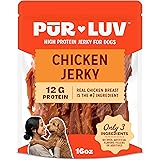
Pur Luv Chicken Jerky Dog Treats,100% Real Chicken Breast, 16 Ounces | 3-ingredient jerky: whole-muscle chicken breast, 12g protein/treat; no dyes, fillers or artificial flavors
$14.09 (as of September 24, 2026 03:05 GMT +00:00 - More infoProduct prices and availability are accurate as of the date/time indicated and are subject to change. Any price and availability information displayed on [relevant Amazon Site(s), as applicable] at the time of purchase will apply to the purchase of this product.)
Apple AirTag (2nd Generation): Tracker for Keychain, Wallet, and More; Locator with Sound; Simple One-Tap Setup with iPhone or iPad; Key Finder with up to 1.5X Precision Finding Range
$24.00 (as of September 24, 2026 03:14 GMT +00:00 - More infoProduct prices and availability are accurate as of the date/time indicated and are subject to change. Any price and availability information displayed on [relevant Amazon Site(s), as applicable] at the time of purchase will apply to the purchase of this product.)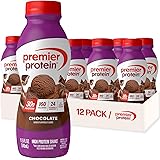
Premier Protein 30g High Protein Shake, Chocolate, 12 Pack | 160 Calories, 24 Vitamins & Minerals, No Added Sugar, Supports Muscle Health, Gluten-Free, 11.5 oz
$31.99 (as of September 24, 2026 03:05 GMT +00:00 - More infoProduct prices and availability are accurate as of the date/time indicated and are subject to change. Any price and availability information displayed on [relevant Amazon Site(s), as applicable] at the time of purchase will apply to the purchase of this product.)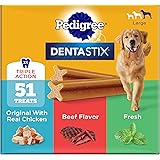
Pedigree Dentastix Large Breed Dental Dog Treats, Variety, 51 Count | Original Chicken, Beef, and Fresh flavors, reduces plaque and tartar buildup, cleans teeth, freshens breath, for dogs 40+ lbs
$23.98 (as of September 24, 2026 03:05 GMT +00:00 - More infoProduct prices and availability are accurate as of the date/time indicated and are subject to change. Any price and availability information displayed on [relevant Amazon Site(s), as applicable] at the time of purchase will apply to the purchase of this product.)














Post Comment