Could Your Morning Coffee Be the Ultimate Weapon Against a Deadly Cancer? New Study Reveals Shocking 47% Risk Drop!
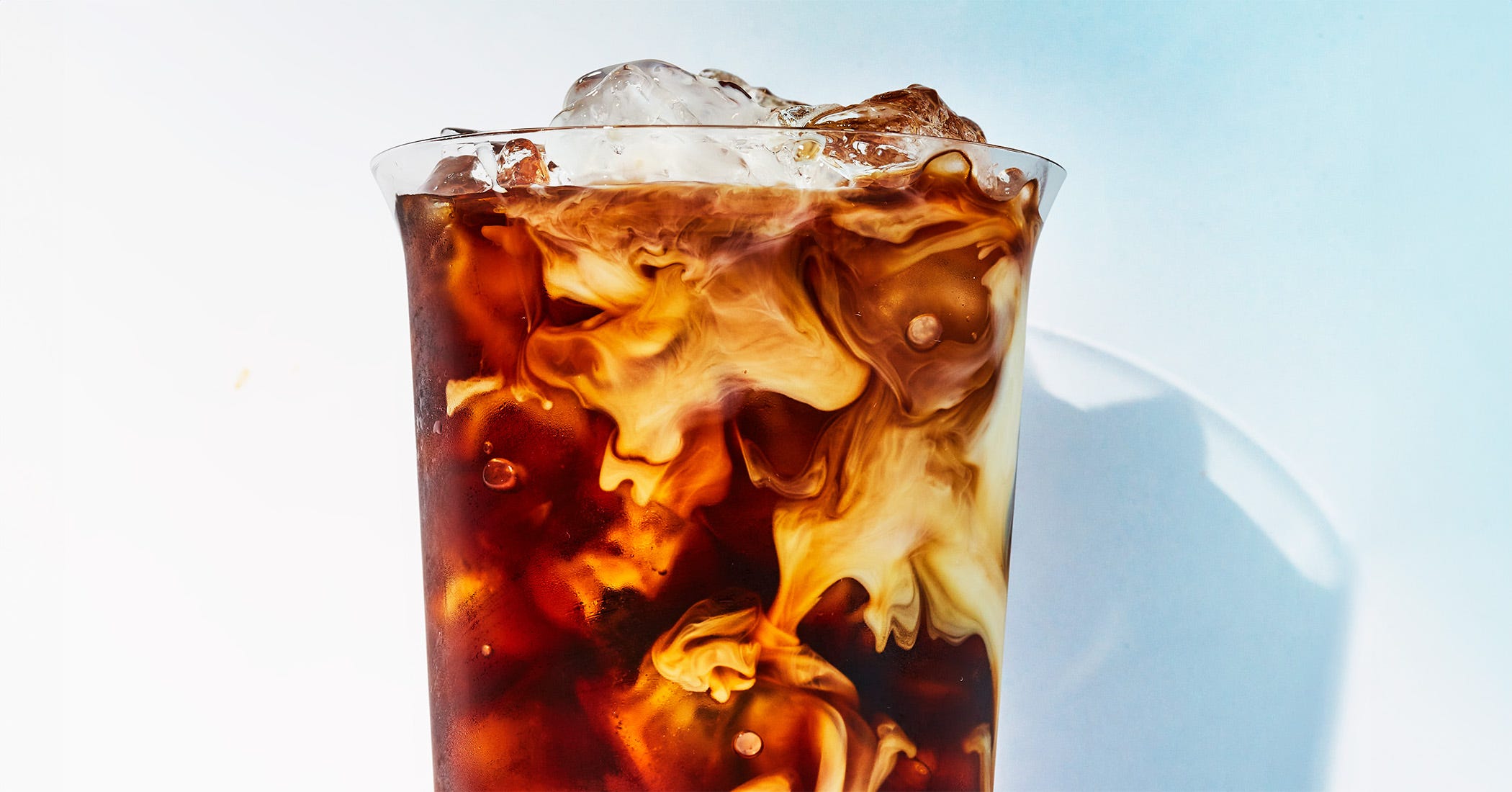
Ever wonder if your morning cup of joe is doing more than just jolting you awake? Well, hold onto your mugs, because recent research is spilling the beans—coffee might actually be one of your liver’s best mates. Yep, that hardworking organ filtering gig you probably don’t think much about could get a serious boost from your daily brew. It’s not just about the caffeine kick; both regular and decaf coffee come packed with compounds that could lower your risk of liver issues, like cirrhosis and even liver cancer. Imagine sipping your favorite blend and giving your liver a little love at the same time—sounds like a win-win, right? Let’s dive into what this study reveals and why your coffee habit might just be a secret weapon for liver health. LEARN MORE
 4 min read
- New research suggests that coffee lowers the risk of multiple liver health issues.
- This isn’t the first study to find that coffee is good for the liver.
- Both regular and decaf coffee seem to have liver health perks.
Any day that science confirms that coffee is good for you is a great day. And now, new research has found that coffee may be especially beneficial for one particular organ.
Your liver acts as a filter for your body and performs more than 500 vital functions, making this an organ you want to support. The coffee-liver health connection seems a little random, but hepatologists (aka liver doctors) have been talking up the perks of coffee for years.
Here’s what the latest study found, plus why drinking coffee is such a boost for your liver health.
Meet the experts: Hyunseok Kim, MD, PhD, lead study author and transplant hepatologist at Cedars-Sinai Medical Center; Raffi Karagozian, MD, transplant hepatologist at Tufts Medical Center; and Marie L. Borum, MD, director of the Division of Gastroenterology and Liver Disease at George Washington University
What did the study find?
The study was published in the journal Clinical Gastroenterology and Hepatology and analyzed data on the diets and overall health of nearly 355,000 adults who participated in the UK Biobank, a long-running biomedical database.
Researchers tracked participants for about 13 years, specifically looking for liver health complications like cirrhosis (scarring of the liver) or liver cancer, along with dying from liver-related causes.
They discovered that coffee-drinkers as a whole were less likely to develop liver complications over time. Specifically, people who had five or more cups of coffee daily had a 32 percent lower risk of cirrhosis, a 47 percent lower risk of developing liver cancer, and a 42 percent lower risk of dying from a liver-related cause compared to people who didn’t drink coffee. The perks held up whether people had regular or decaf coffee, and the researchers also found benefits when people drank smaller amounts of coffee each day.
The team also found that people who drank coffee had lower levels of liver inflammation and higher levels of certain proteins that suggested they had healthier liver function compared to non-coffee drinkers.
These findings “support moderate unsweetened coffee as a simple strategy for liver disease prevention,” the researchers wrote in the study’s conclusion.
How does coffee support liver health?
There are likely a few things going on here. While you may associate coffee with caffeine, it’s actually so much more. “Coffee is a complex mixture containing hundreds of biologically active compounds—not only caffeine,” says Hyunseok Kim, MD, PhD, lead study author and transplant hepatologist at Cedars-Sinai Medical Center. Some of these biologically active compounds include chlorogenic acids, polyphenols, and diterpenes, which may collectively have antioxidant, anti-inflammatory, and anti-scarring effects. “They may also improve metabolic health and reduce pathways involved in liver-cell injury and scar formation,” Dr. Kim adds.
Those antioxidant compounds in coffee can help to decrease oxidative stress, which can lead to chronic inflammation if it goes unchecked, says Raffi Karagozian, MD, transplant hepatologist at Tufts Medical Center. “In addition, coffee slows down the activity of cells that are responsible for fibrosis or scarring of the liver,” he says.
But Dr. Karagozian points out that this isn’t the first study to suggest that coffee can support liver health. A BMC Public Health study published in 2021 analyzed data from nearly 500,000 people and found that coffee drinkers had a 21 percent lower risk of developing chronic liver disease compared to those who didn’t drink coffee.
A BMJ Open study analyzed data from more than 2.25 million people and found that those who had one cup of caffeinated coffee a day had a 20 percent lower risk of being diagnosed with hepatocellular cancer, a common form of liver cancer. Those who had up to five cups of coffee a day cut their risk in half.
Does coffee help other organs, too?
It might. “Coffee has similar health benefits for other organs, including antioxidants that may reduce blood vessel function inflammation,” Dr. Karagozian says. “Moderate coffee intake has been linked to a lower risk of heart disease, heart failure, and stroke in many studies.”
Many of the benefits come from the same antioxidant, anti-inflammatory, and metabolic effects that are good for the liver, Dr. Kim says. “However, the effects can vary depending on the amount consumed, how the coffee is prepared, and an individual’s health conditions,” he adds.
Why might decaf coffee help?
The findings suggest that caffeine probably isn’t the main reason coffee is protective for your liver, Dr. Kim says. “Decaf coffee still contains many of coffee’s polyphenols, chlorogenic acids, and other bioactive compounds,” he points out. “These non-caffeine components may therefore be responsible for much of the observed liver benefit.”
Dr. Karagozian agrees. “Decaffeinated coffee remains a healthy option for those sensitive to caffeine,” he says. “Decaffeinated coffee may also protect the liver due to potential antioxidant and anti-inflammatory effects,” adds Marie L. Borum, MD, director of the Division of Gastroenterology and Liver Disease at George Washington University.
Still, there’s more to unpack here. “Further studies are necessary to fully understand the beneficial effects of coffee consumption upon the liver,” Dr. Borum says.
While the findings don’t suggest that you should take up a coffee habit to support your liver health, they do imply that you can keep on enjoying your daily cup or two, knowing it may support your liver health.
Carina Hsieh, MPH, is the deputy features editor of Women’s Health. She has more than a decade’s worth of experience working in media and has covered everything from beauty, fashion, travel, lifestyle, pets, to health.
She began her career as an intern in the fashion closet at Cosmopolitan where she worked her way up to Senior Sex & Relationships Editor. While covering women’s health there, she discovered her passion for health service journalism and took a break to get her Masters in Public Health. Post-grad school, she worked as a freelance writer and as The Daily Beast’s first Beauty, Health, and Wellness Reporter.
Carina is an alum of the Fashion Institute of Technology and the Yale School of Public Health. She and her French Bulldog, Bao Bao, split their time between Brooklyn and Connecticut. She enjoys reformer Pilates, (slow) running, and smelling the fancy toiletries in boutique fitness class locker rooms.
Cheez-It Cheese Crackers, Baked Snack Crackers, Lunch Snacks, Original (40 Packs)
$13.98 (as of September 20, 2026 03:22 GMT +00:00 - More infoProduct prices and availability are accurate as of the date/time indicated and are subject to change. Any price and availability information displayed on [relevant Amazon Site(s), as applicable] at the time of purchase will apply to the purchase of this product.)
Bose QuietComfort Headphones - Wireless Bluetooth Headphones, Active Over Ear Noise Cancelling and Mic, USB-C Charging, Deep Bass, Up to 24 Hours of Playtime, Black
$248.99 (as of September 20, 2026 03:29 GMT +00:00 - More infoProduct prices and availability are accurate as of the date/time indicated and are subject to change. Any price and availability information displayed on [relevant Amazon Site(s), as applicable] at the time of purchase will apply to the purchase of this product.)
Beats Solo 4 - Wireless On-Ear Bluetooth Headphones, Up to 50-Hour Battery Life, Ultra-Lightweight Comfort, Powerful and Balanced Sound, Apple & Android Compatible - Amazon Exclusive Metallic Pink
$129.95 (as of September 20, 2026 03:29 GMT +00:00 - More infoProduct prices and availability are accurate as of the date/time indicated and are subject to change. Any price and availability information displayed on [relevant Amazon Site(s), as applicable] at the time of purchase will apply to the purchase of this product.)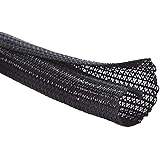
Alex Tech 10ft - 1/2 inch Cord Protector Wire Loom Tubing Cable Sleeve Split Sleeving For USB Cable Power Cord Audio Video Cable – Protect Cat From Chewing - Black
$8.99 (as of September 20, 2026 03:12 GMT +00:00 - More infoProduct prices and availability are accurate as of the date/time indicated and are subject to change. Any price and availability information displayed on [relevant Amazon Site(s), as applicable] at the time of purchase will apply to the purchase of this product.)











Post Comment