
US Halts Iran Strikes Amid Omani Backchannels—What This Means for Global Markets and the Volatile Strait of Hormuz!

Ever wonder how a narrow strip of water could make or break the global economy? Well, the Strait of Hormuz isn’t just a speck on the map — it’s a battleground where world powers clash and oil prices wobble like a seesaw in a storm. After 13 relentless nights of US airstrikes on Iran, a surprising pause emerged on July 26, thanks to some well-timed diplomatic moves by Oman. Suddenly, the guns quieted, giving weary markets and anxious investors a much-needed breather. But behind this ceasefire lies a complicated dance of geopolitics, energy supplies, and yes, even Bitcoin mining quirks. Could these negotiations, steered by Oman’s skillful mediators, finally untangle the knots choking one-fifth of the world’s oil traffic? Stick around — this isn’t just another news cycle; it’s a decisive moment that could shift markets and global power plays alike. LEARN MORE
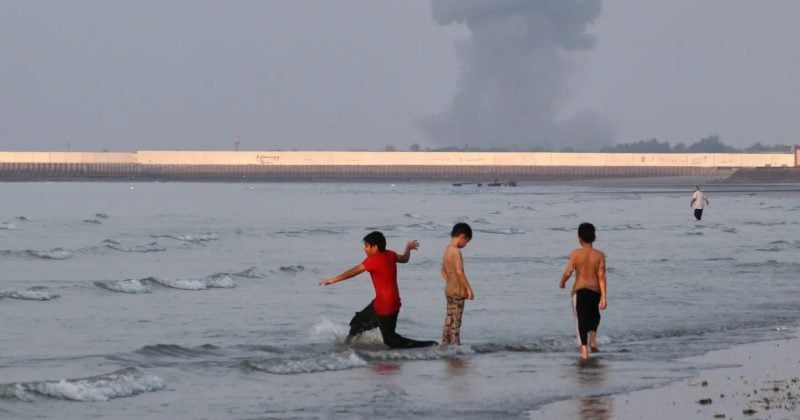
The US military halted its bombing campaign against Iran for a second consecutive night on July 26, after Omani officials traveled to Tehran to broker diplomatic talks. The pause came after 13 straight nights of airstrikes, marking the first real breather in a conflict that has rattled global energy markets.
What happened and why it matters
Omani diplomats arrived in Tehran around July 24-25 to open a channel focused on two priorities: navigation safety in the Strait of Hormuz and broader de-escalation between Washington and Tehran. US Ambassador to the UN Mike Waltz confirmed the rationale, stating the pause allows “talks some space.”
Iran acknowledged the contacts as well. Foreign Ministry spokesperson Esmail Baghaei confirmed that diplomatic discussions were underway.
The Strait of Hormuz is why this story reaches far beyond the Middle East. Roughly one-fifth of the world’s oil supply passes through that narrow waterway every single day. When Iran partially blockaded it earlier in 2026, energy markets responded with significant volatility.
The escalation that led to 13 nights of US airstrikes wasn’t a single event but a cascade. US and Israeli forces targeted Iranian nuclear and military facilities. Iran retaliated with attacks on tankers and restricted passage through the Strait. Houthi involvement added yet another variable to an already chaotic equation.
What investors should actually watch
The Strait of Hormuz is the variable that matters most. If Omani-mediated talks lead to its full reopening, expect a meaningful decline in oil prices as supply chain fears ease.
There’s also a less obvious angle worth considering. Iran itself has been a notable Bitcoin mining jurisdiction precisely because of its complicated relationship with the global financial system.
The Houthi factor adds another wrinkle. Their involvement in disrupting shipping routes has persisted as a background threat throughout 2026, and any comprehensive deal would likely need to address their role.
Oman has historically played a vital role as a mediator between the US and Iran, previously facilitating discussions that culminated in the 2015 Joint Comprehensive Plan of Action (JCPOA) nuclear deal, and has engaged in more recent talks from 2025 to 2026 aimed at resolving long-standing disputes.

reatoy Cat Deterrent Spray for Furniture Protection, Anti Scratch and Urine Marking, Plant-Based Safe Formula for Indoor & Outdoor 150ML 4
$19.99 (as of September 29, 2026 03:12 GMT +00:00 - More infoProduct prices and availability are accurate as of the date/time indicated and are subject to change. Any price and availability information displayed on [relevant Amazon Site(s), as applicable] at the time of purchase will apply to the purchase of this product.)
Delectables Squeeze Up Variety Pack, Creamy Squeezable Puree, Lickable Wet Cat Treats, Grain Free, No Added Fillers, No By-Products, No Added Preservatives, 0.5 Ounces Tube, 24 Tubes Total
$11.32 (as of September 29, 2026 03:06 GMT +00:00 - More infoProduct prices and availability are accurate as of the date/time indicated and are subject to change. Any price and availability information displayed on [relevant Amazon Site(s), as applicable] at the time of purchase will apply to the purchase of this product.)
Open Ear Wireless Earbuds Bluetooth Headphones, 80H Playtime Stereo Ear Buds with ENC Noise Cancelling, Fast Charging, IPX7 Waterproof Sports Earphones with Earhook for Running/Workouts (Black)
$26.98 (as of September 29, 2026 03:26 GMT +00:00 - More infoProduct prices and availability are accurate as of the date/time indicated and are subject to change. Any price and availability information displayed on [relevant Amazon Site(s), as applicable] at the time of purchase will apply to the purchase of this product.)
2 Pack Cat Deterrent & Repellent Spray Anti-Scratch Training Aid, 4OZ | Furniture Protector for Sofa, Bed, Kitchen, Courtyard, Indoor & Outdoor Use, Pee Stopper, Plant extract & Safe
$29.99 (as of September 29, 2026 03:12 GMT +00:00 - More infoProduct prices and availability are accurate as of the date/time indicated and are subject to change. Any price and availability information displayed on [relevant Amazon Site(s), as applicable] at the time of purchase will apply to the purchase of this product.)













Post Comment