
Unveiling Willi Smith: The Fashion Maverick Who Revolutionized Style Against All Odds
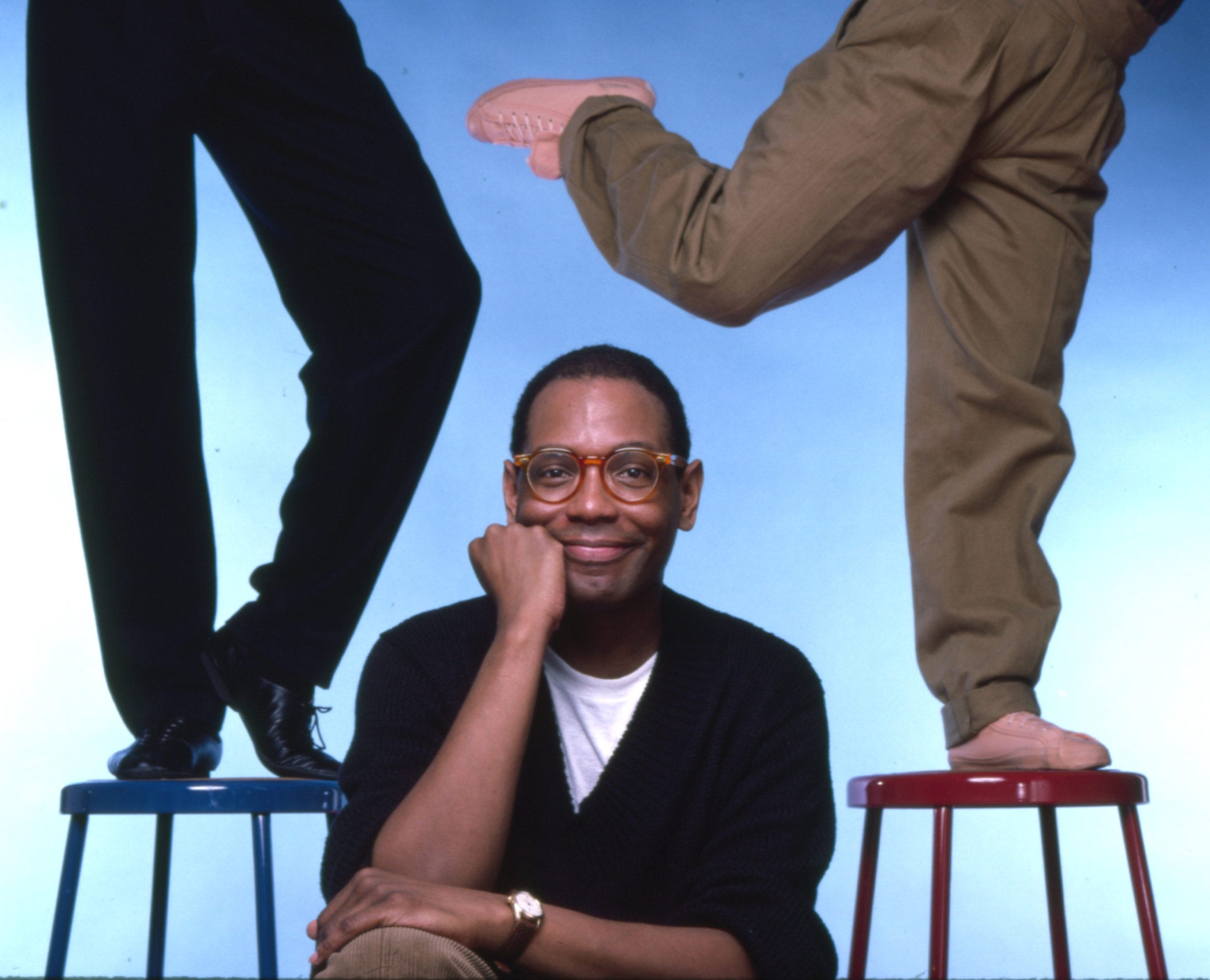
Ever wonder what stories a dress could whisper if it could talk? Zendaya and her stylist Law Roach have mastered the art of turning red carpet moments into narratives that go way beyond the flashbulbs—sometimes what they wear is a history lesson wrapped in fabric. Their latest move? Resurrecting the bold, often-overlooked genius of Willi Smith, a trailblazer from the ’70s and ’80s whose creations weren’t just clothes—they were a cultural revolution in stitches. When Marvel once tapped Smith to dress Spider-Man’s Mary Jane, no one knew that decades later, Zendaya would reimagine that legacy under the spotlight, blending streetwise swagger with high fashion’s grace. It’s more than style—it’s a reminder that true influence never fades; it just waits to be rediscovered. Ready to dive deep into the man who arguably invented streetwear before it was cool? Let’s roll. LEARN MORE
 3 min read
Zendaya and longtime stylist Law Roach have trained us to know that their red carpet looks tell a story. These aren’t merely beautiful dresses; they come with required reading, often only accessible via Roach’s Instagram. And for their latest trick, they resurrected work by the oft-forgotten but highly influential designer of the 1970s and ’80s, Willi Smith.
In 1987, Marvel Comics commissioned Smith to design a wedding dress and small capsule for Spider-Man’s love interest Mary Jane Watson in celebration of the superhero’s 25th anniversary. Roach and Zendaya flipped through The Amazing Spider-Man Annual #21 issue, brushing past the big white wedding gown, and found a black-and-white striped bodycon tank dress with a contrasting red mermaid flounce at the calf. They worked with New York designer Laquan Smith to reimagine the ensemble for the Spider-Man: Brand New Day press run.
Zendaya wore the IRL dress to the afterparty of the London premiere. It just scratches the surface of Smith’s legacy—one that conflated Pop art and high craft with clothing that real people wanted to wear on a day-to-day basis.
Smith was born in 1948 in Philadelphia. He studied fashion at Parsons School of Design in New York after interning for the couturier Arnold Scaasi. (He was expelled in 1967 for allegedly having an open affair with another male student.) He began his career as a designer at Digits, a now-defunct upstart sportswear venture, before launching his own line, which he called Williwear Ltd., in 1976 with his friend and former coworker Laurie Mallet. In 1983, he was the youngest designer to win the American Fashion Critics’ Award for Women’s Fashion.

Many credit Smith with the invention of streetwear, or what he called “street couture.” The designer made clothes for the everyman, with easy, great-looking separates—tunics, trousers, jackets, jumpsuits—made from quality fabric but sold at accessible prices. He was a master of trousers, his loose-fitting “Williwear pant” becoming something of a signature. Crafted with care worthy of the runway, his clothes had a casual air about them, mixing the Eurocentric archetypes of tailoring with influences from the West African countries he visited and the relaxed styling he saw on the streets. He even nodded to budding hip-hop culture and the rich visual history of westernwear to create his own layered identity.

In fact, his legacy is full of things we find commonplace now but certainly weren’t at the time. The clothes catered to an array of body types and could be swapped between sexes. He collaborated with artists like Keith Haring, Peter Gordon, Les Levine, Dianne McIntyre, and Peter Gordon—Smith was one of the first to make an artist-collab T-shirt. And his designs weren’t gatekept but sold off the rack at department stores like Bloomingdale’s and Macy’s.

Amidst the glitz and glam of the ’80s, Smith’s designs aligned more with the Armani school of thought in terms of his relaxed, louche tailoring. His trajectory trailed the emerging wave of American sportswear designers like Bill Blass and Halston, but his downtown sensibility eschewed the elites-only trope of luxury fashion. And it resonated: his sales reached $25 million annually. But his life was tragically cut short due to complications related to AIDS in 1987. Almost 40 years later, his influence greatly outshines his name recognition.

Smith’s essence can be felt among many contemporary designers. The way he mixed high and low, pulling from the streets, the runways, and the art world, paved the way for the likes of Demna, Telfar Clemens, even Virgil Abloh. The purity of his relaxed silhouettes evokes the oversized draping at the Row, and the way his garments hung on the body feels similar to Lauren Manoogian’s cool, laissez-faire knits. And now, his work has been translated to today’s red carpet, where Zendaya and Roach reminded us that his legacy is worth brushing up on.

One Beat Surge Protector Power Strip, 5 Ft Flat Plug Extension Cord, 900J | 6 Outlets 4 USB Ports(2 USB C), Wall Mount Outlet Extender Small Power Strip for Travel Home Office College Dorm Room Station
$12.99 (as of October 2, 2026 03:17 GMT +00:00 - More infoProduct prices and availability are accurate as of the date/time indicated and are subject to change. Any price and availability information displayed on [relevant Amazon Site(s), as applicable] at the time of purchase will apply to the purchase of this product.)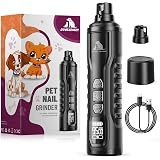
Juveximzy Electric Dog Nail Grinder: Upgraded 5-Speed Quiet Dog Nail Trimmer-Safe Painless Nail File for Claw Trimming & Grooming Care at Home for Dogs & Cats
$49.99 (as of October 2, 2026 03:13 GMT +00:00 - More infoProduct prices and availability are accurate as of the date/time indicated and are subject to change. Any price and availability information displayed on [relevant Amazon Site(s), as applicable] at the time of purchase will apply to the purchase of this product.)
Delectables Squeeze Up Variety Pack, Creamy Squeezable Puree, Lickable Wet Cat Treats, Grain Free, No Added Fillers, No By-Products, No Added Preservatives, 0.5 Ounces Tube, 24 Tubes Total
$11.32 (as of October 2, 2026 03:08 GMT +00:00 - More infoProduct prices and availability are accurate as of the date/time indicated and are subject to change. Any price and availability information displayed on [relevant Amazon Site(s), as applicable] at the time of purchase will apply to the purchase of this product.)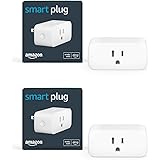
Amazon Smart Plug, Works with Alexa, Simple Setup, Endless Possibilities (2-Pack)
$23.98 (as of October 2, 2026 03:17 GMT +00:00 - More infoProduct prices and availability are accurate as of the date/time indicated and are subject to change. Any price and availability information displayed on [relevant Amazon Site(s), as applicable] at the time of purchase will apply to the purchase of this product.)













Post Comment