Could New Trump Airfare Rules Finally Shake Up Your Flight Bookings—and Your Wallet?
Ever wonder why the very first price you see when booking a flight often feels like a hint, rather than the whole truth? Well, buckle up—because the game might be changing yet again. The Trump administration is revving up to tinker with an Obama-era airline rule that’s been our trusty guide for what to expect at checkout: showing the full ticket price upfront, including those pesky taxes and required fees. Now, the U.S. Department of Transportation is considering giving airlines more wiggle room in how they showcase those costs. Heck, they’re even toying with scrapping the all-in pricing rule entirely, which could mean you’ll need to sharpen those detective skills next time you shop a flight. It’s a twist that’s got industry experts raising eyebrows and consumer advocates sounding alarms. So, what exactly is on the docket? What could this mean for your wallet—and your patience—next time you hit “search”? Let’s unpack the possibilities, the pitfalls, and the fine print lurking just beneath the fare. LEARN MORE
If you want to weigh in, now is your chance.
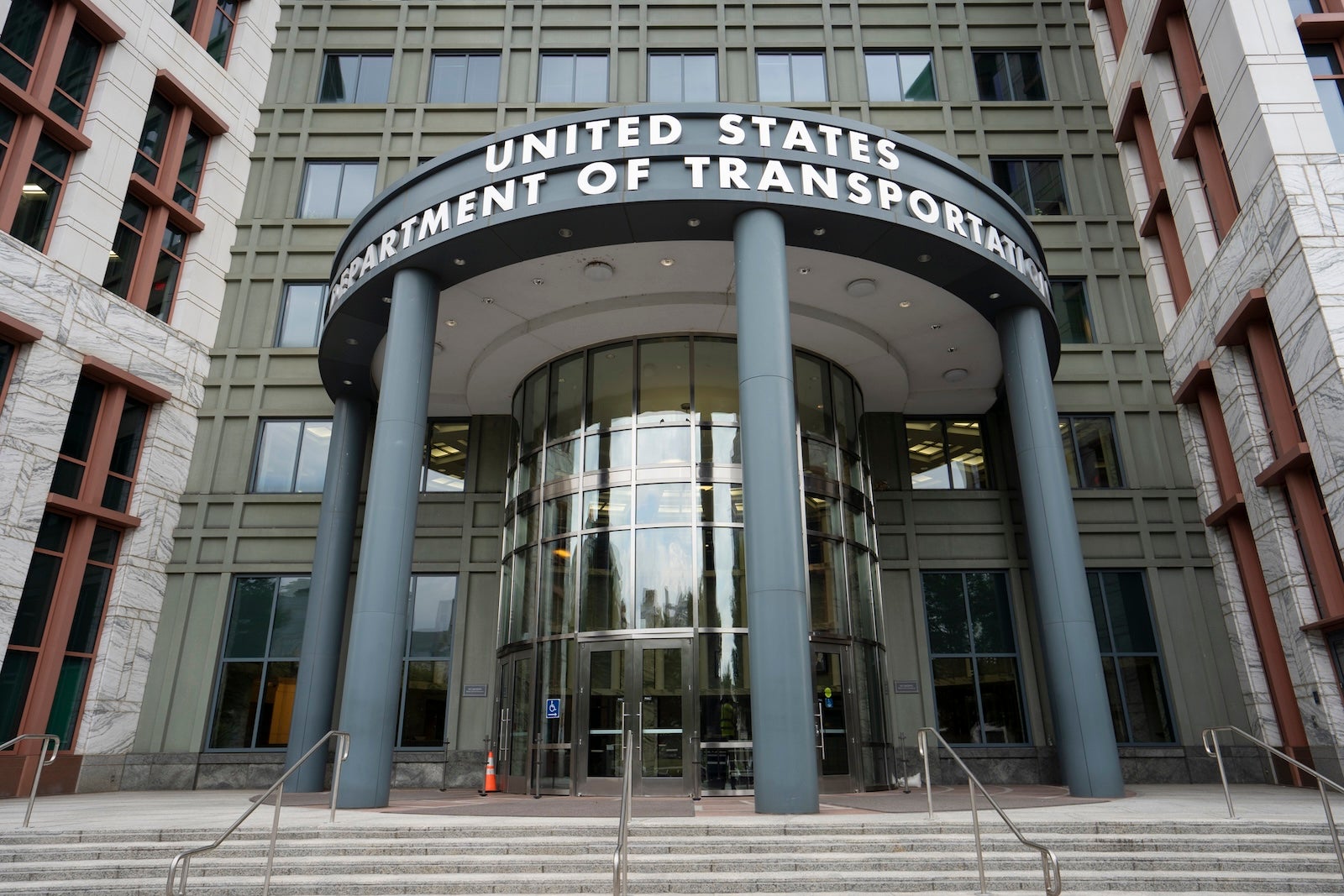
The Trump administration is gearing up to tweak an Obama-era airfare regulation that dictates what price you see first when you go to buy a plane ticket.
The change that’s under consideration by the U.S. Department of Transportation would give airlines more leeway to decide how they display the cost of a flight — from the base fare to the taxes and required fees.
But the DOT also said it’s thinking about a bigger move: repealing a 15-year-old regulation that currently requires carriers to show the full ticket price upfront.
“It means that as a consumer, you may have to do more digging into the details,” warned Henry Harteveldt, a prominent industry analyst.
Let’s dig in ourselves: What’s likely changing, what could change, and what this will all mean for air travel in the future.
The price you pay: Fare + Taxes + Required fees
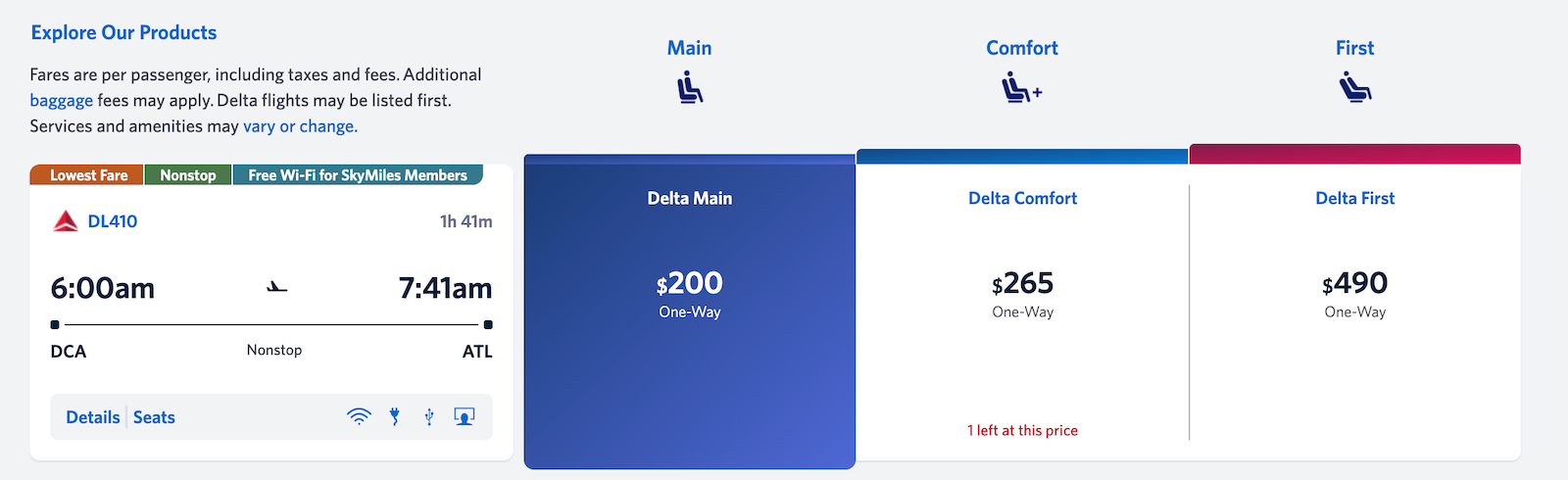
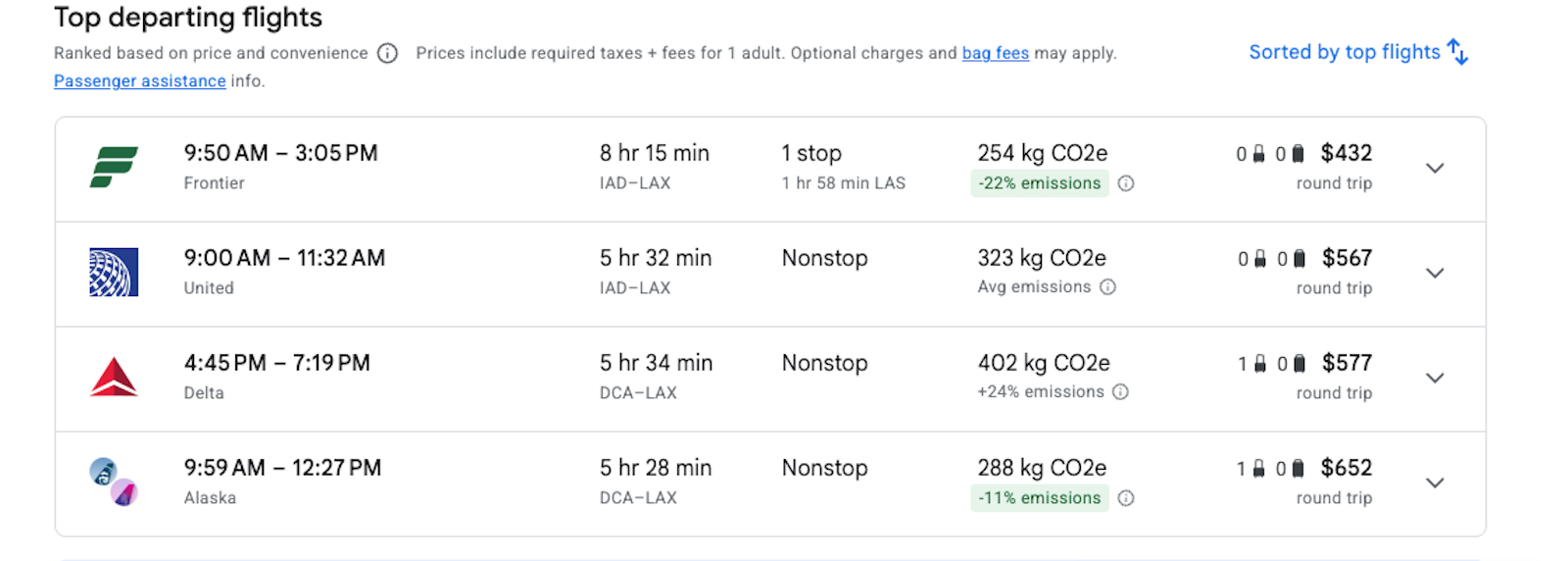
Today, when you search for a flight, the first price that pops up includes everything except for the “optional” add-ons like checked bag fees.
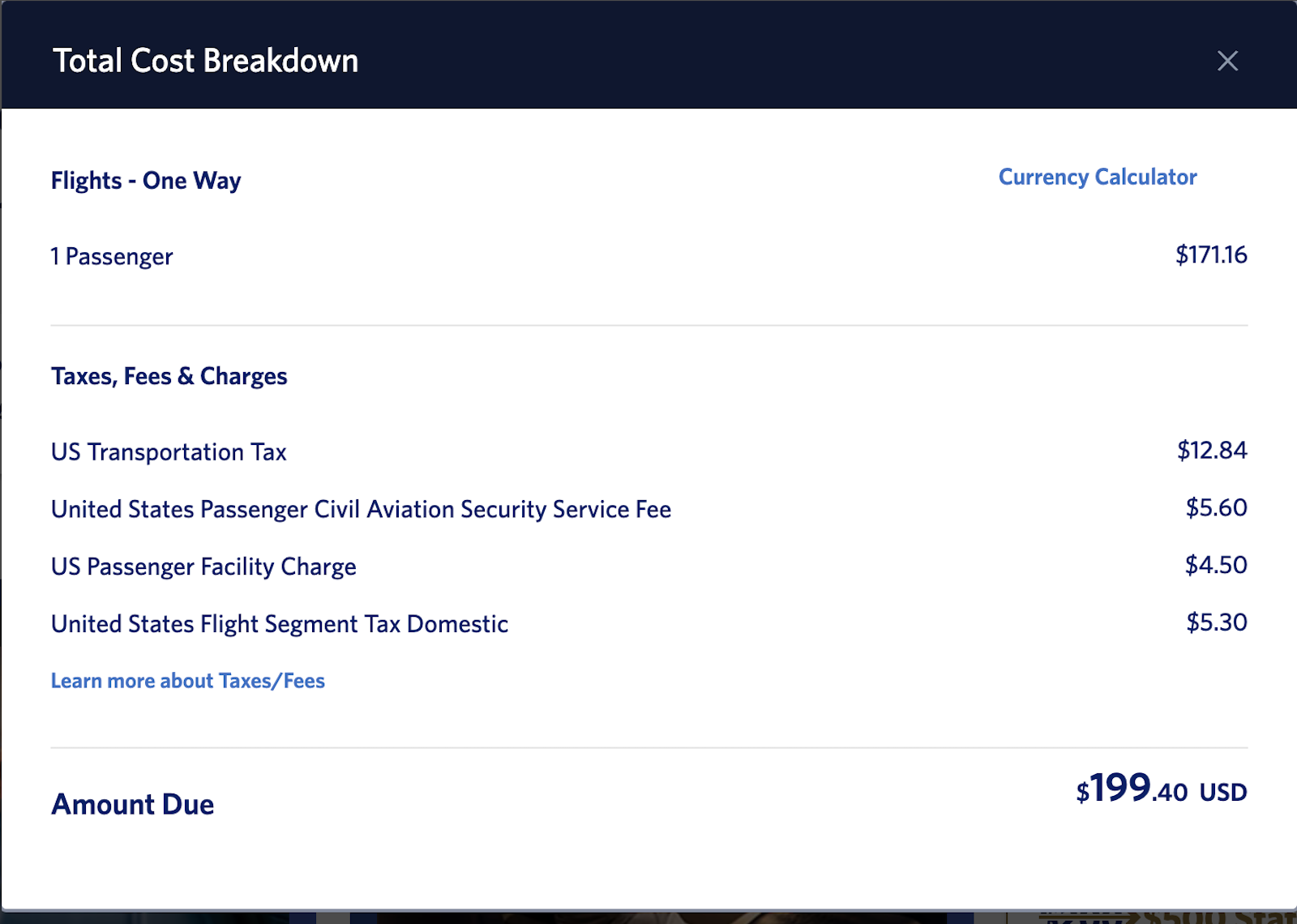
A $200 Delta Air Lines flight from Washington to Atlanta? That price tag includes every charge you have to pay to book the ticket: the fare, the taxes and any mandatory fees.
That’s because in the early 2010s, the Obama administration started requiring airlines to display the total ticket price upfront — more prominently and in bigger font size than any smaller components of the fare.

Daily Newsletter
Reward your inbox with the TPG Daily newsletter
Join over 700,000 readers for breaking news, in-depth guides and exclusive deals from TPG’s experts
By signing up, you will receive newsletters and promotional content and agree to our Terms of Use and acknowledge the data practices in our Privacy Policy. You may unsubscribe at any time.
Consumer advocates argued this policy made it easier for travelers to compare prices and know, upfront, what a flight would cost.
DOT closing in on rule change
Now, the Trump administration is preparing to finalize a rule that would give airlines a little more wiggle room.
Carriers would be allowed to start drawing attention to the lower base fare — as long as they displayed the total cost of the flight just as clearly.
Here’s an example of how the changes could play out:
| What you currently see first when searching flights | How prices could be displayed in the future |
|---|---|
|
Flight price: $105
|
Fare: $75
Taxes and fees: $30 Total: $105 |
Why the change? The Trump administration argued the current policy is too strict, by telling airlines what font size they can use to advertise a fare versus a tax or fee. This move, the DOT said, would “provide greater flexibility” to companies — while still getting vital pricing information to consumers.
But this also might not be the only change that’s coming.
DOT ‘considering’ a more sweeping change
In its notice announcing this potential rule change, the DOT revealed it’s considering more sweeping action, too: a possible repeal of its all-in pricing rule that governs the airline sector.
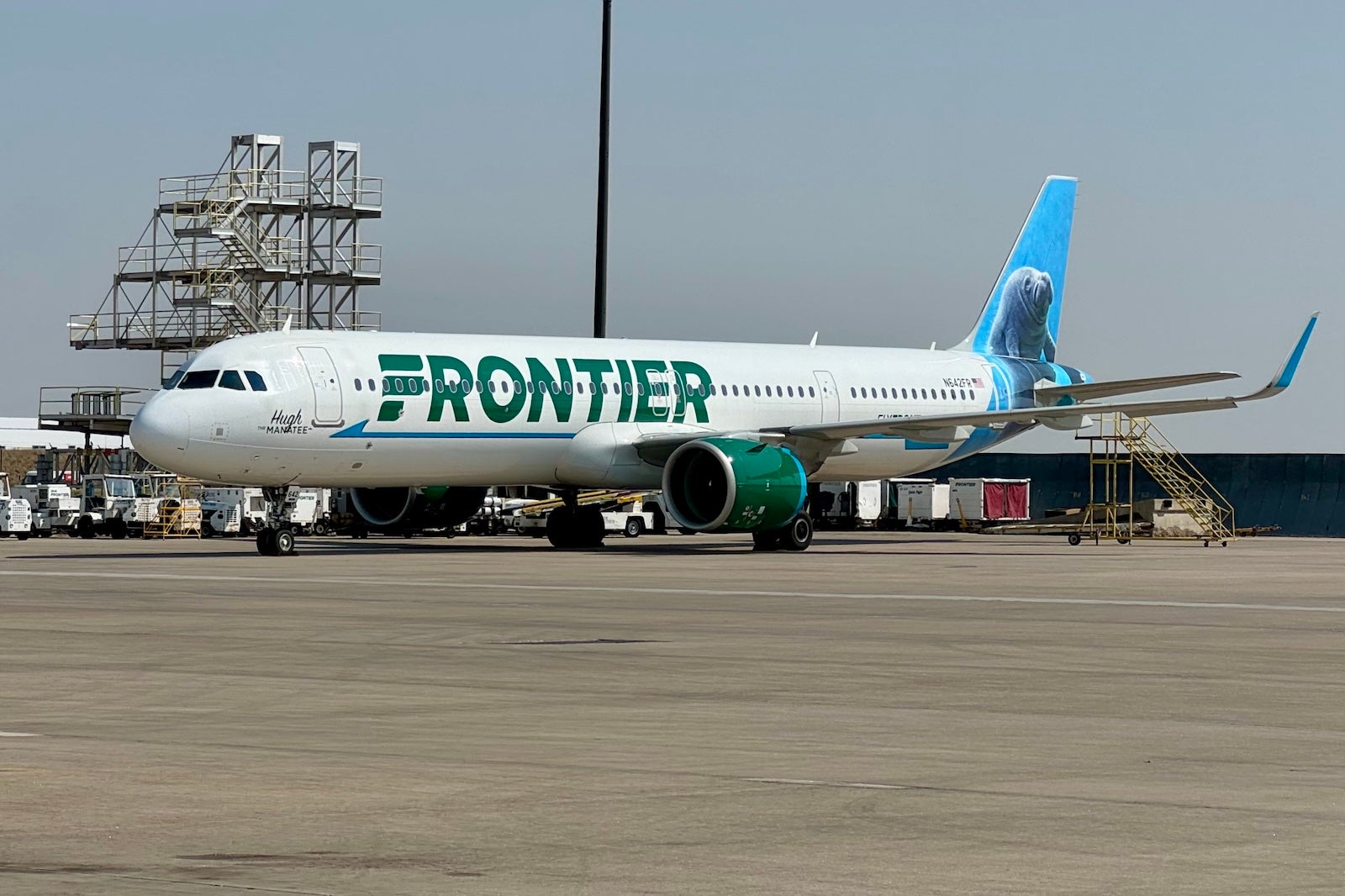
A handful of airlines have pushed for this change for years, arguing the federal government shouldn’t dictate how they display ticket prices.
Carriers have long argued that in other industries, consumers see a sticker price — and then ultimately pay a higher total price once taxes are added in at the end.
The DOT also contends its current rule may overlap with other existing federal requirements.
Consumer advocates: Pricing flights could get more difficult
But consumers could be left confused if the government significantly relaxes airfare regulations, warned industry commentator Jason Rabinowitz.
The change would “break flight shopping,” Rabinowitz, who co-hosts Flightradar24’s AvTalk podcast, wrote in a public comment. It would make it “virtually impossible to comparison shop,” he added, since carriers could have more freedom to decide what fare to advertise upfront for a flight.
Southwest weighs in
At least one major airline agrees.
Southwest Airlines said it initially opposed all-in pricing rules when they went into effect 15 years ago. But changing things now could prove “extremely disruptive,” the airline wrote.
“An entire generation of consumers have shopped and purchased air travel under this system,” Southwest said. “Consumers have settled expectations that all government-imposed taxes and fees will be included in the fare in the first display.”
Bottom line
For now, the likeliest outcome seems to be this narrower change DOT has already proposed — what the agency called a “minor, but certainly meaningful” shift in how airlines can display ticket prices.
Whatever happens in Washington, though, airlines should be cautious, said Harteveldt, president of Atmosphere Research Group: changing a booking experience travelers are used to could lead to backlash.
“If an airline is believed by the traveling public to be misleading — to be less than forthcoming, to be even sly — in how they present their prices,” he said, “I don’t think it will serve that airline well.”
If you want to make your voice heard, you’ll have to act quickly: The DOT was set to accept public comments on these potential rule changes through July 31.
Related reading:

Sony ZX Series Wired On-Ear Headphones, Black MDR-ZX110
$11.88 (as of September 17, 2026 03:11 GMT +00:00 - More infoProduct prices and availability are accurate as of the date/time indicated and are subject to change. Any price and availability information displayed on [relevant Amazon Site(s), as applicable] at the time of purchase will apply to the purchase of this product.)
DoHonest Baby Car Camera HD 1080P: Rear Facing Car Baby Monitor Clear Image | Crystal Night Vision, Adjustable View Angle, Easy Setup, Anti-Glare Display, Safety for Kids & Infants
$29.99 (as of September 17, 2026 03:26 GMT +00:00 - More infoProduct prices and availability are accurate as of the date/time indicated and are subject to change. Any price and availability information displayed on [relevant Amazon Site(s), as applicable] at the time of purchase will apply to the purchase of this product.)
Smiry Dog Door Mat for Muddy Paws 30x20, Absorbs Moisture and Dirt Doormat | Grey, Non-Slip Washable Quick Dry Chenille Front Door Mat Indoor Entrance, Entryway Carpet for Inside Floor
$9.99 (as of September 17, 2026 03:10 GMT +00:00 - More infoProduct prices and availability are accurate as of the date/time indicated and are subject to change. Any price and availability information displayed on [relevant Amazon Site(s), as applicable] at the time of purchase will apply to the purchase of this product.)
Apple Watch Series 11 [GPS 42mm] Smartwatch with Rose Gold Aluminum Case with Light Blush Sport Band - S/M. Sleep Score, Fitness Tracker, Health Monitoring, Always-On Display, Water Resistant
$379.05 (as of September 17, 2026 03:26 GMT +00:00 - More infoProduct prices and availability are accurate as of the date/time indicated and are subject to change. Any price and availability information displayed on [relevant Amazon Site(s), as applicable] at the time of purchase will apply to the purchase of this product.)













Post Comment