Could This Popular Superfood Be Harming Your Dog? The Truth About Blueberries Revealed!
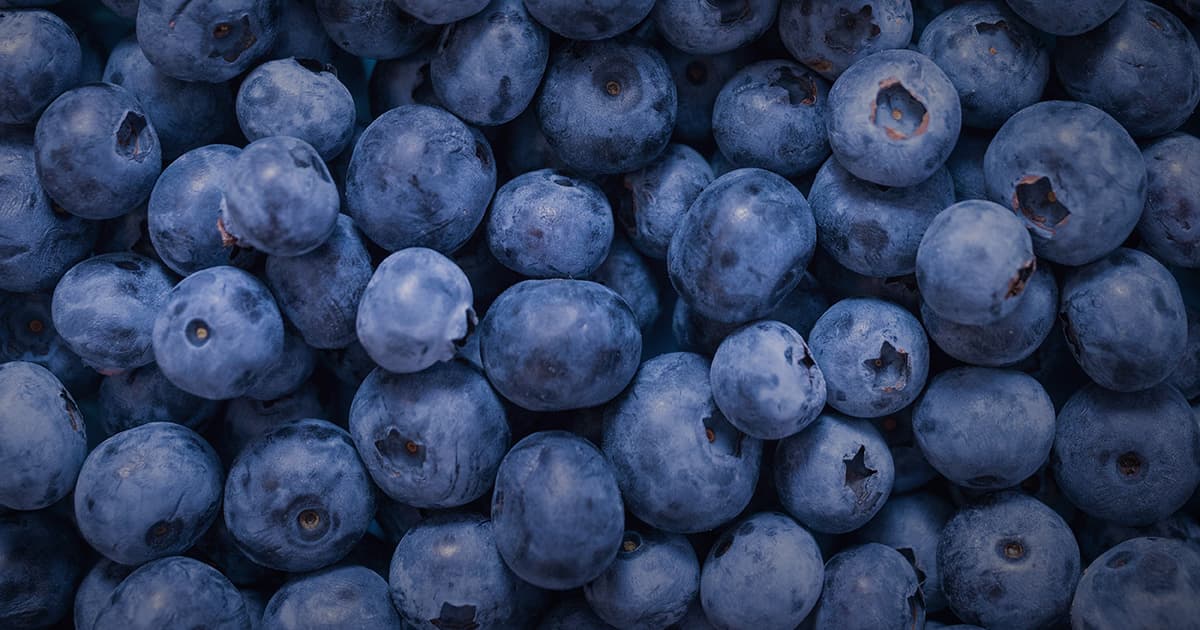
Ever caught yourself wondering if those tiny, plump blueberries lounging in your fridge could double up as a treat for your furry friend? Believe me, you’re not alone. Blueberries – those sweet, bite-sized bursts of goodness – are often the subject of “can my dog eat this?” debates around the dinner table. The short answer? Mostly yes! This little superfruit packs fiber, antioxidants, and vitamins that could add a hint of variety to your dog’s bowl without tipping the calorie scale. But… before you toss a handful their way, there’s a smidge more to consider. Can blueberries really pull their weight nutritionally for dogs? Are there sneaky dangers lurking in that cheerful blue bunch? And how do you dole them out without causing a blueberry brouhaha in your pooch’s tummy? Let’s peel back the layers on this berry-licious topic and get to the core of what’s safe, what’s savvy, and what’s simply delicious for your four-legged pal.
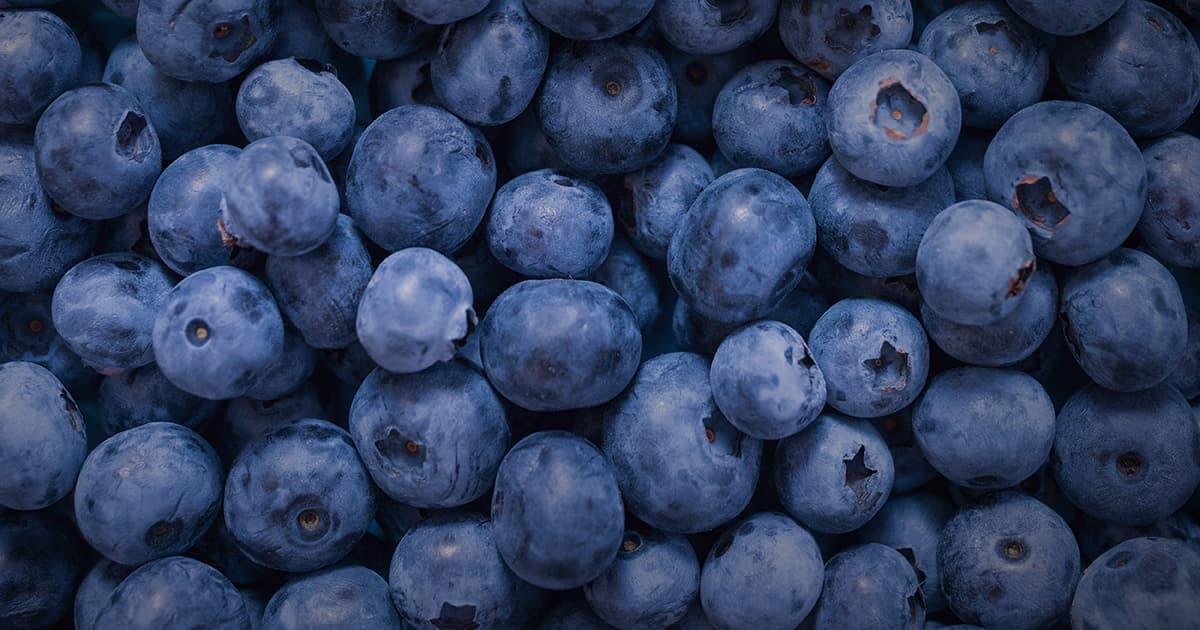
Blueberries are small, naturally sweet and easy to share, which may leave pet parents asking: can dogs eat blueberries? In most cases, yes. Plain blueberries may be served fresh or frozen and can be offered to most dogs in moderation as part of a balanced diet.
Are Blueberries Good for Dogs?
Blueberries contain fiber, antioxidants, vitamin C and vitamin K, along with other vitamins and minerals. Vitamin C and the antioxidants that blueberries contain help protect cells from oxidative stress, while vitamin K is involved in normal blood clotting and bone health.
However, a dog’s regular food should already supply these nutrients in the required amounts. Blueberries can add variety to a dog’s diet, but they should never replace a complete and balanced dog food.
Blueberries and other fruit like strawberries and watermelon are low in calories compared with many packaged, baked or processed snacks, and can be a healthy treat when fed in small portions and in moderation. Blueberries contain natural sugars, and as with any treat, should make up less than 10 percent of a dog’s daily calorie amount. A balanced diet and appropriate portions also help support a healthy weight.
Are Blueberries Toxic to Dogs?
Plain blueberries are safe for dogs and are not considered toxic. Most dogs can safely eat blueberries when they are washed and served without sugar, syrup or other ingredients.
Too many blueberries may cause an upset stomach, gas, loose stool or diarrhea. Some dogs may have sensitivities, so start slowly and stop feeding blueberries if your dog starts vomiting or itching, has diarrhea or other unusual signs. Dogs with diabetes, digestive conditions, weight concerns or a prescription diet may need different guidance. Ask your veterinarian how blueberries fit into your dog’s diet.
How Many Blueberries Can Dogs Eat?
The number of blueberries a dog can eat depends on the dog’s size, age, activity level and overall calorie needs. Treats should remain a small part of a dog’s diet, with complete and balanced dog food providing most of their daily nutrition.
For small dogs, one or two berries may be enough for a first serving. Medium dogs may be able to have a few blueberries, while large dogs may tolerate several. These are general examples, not exact amounts. Your veterinarian can help determine what fits your dog’s daily calorie intake.
Can Dogs Eat Frozen Blueberries?
Yes, dogs can eat blueberries in both fresh and frozen forms. Frozen blueberries can be a refreshing summer treat during warm weather, but their firm texture can create a choking hazard for small dogs or pets that swallow food quickly.
Thaw, mash or cut frozen blueberries when needed. You can also blend blueberries with water and freeze the mixture in small portions. Avoid smoothies made with sweetened dairy or flavorings, as these are not healthy for dogs. Check packaged fruit carefully; choose plain berries with no added sugar, syrup, preservatives or artificial sweeteners.
Can Puppies Eat Blueberries?
Yes, puppies can have a small amount of blueberries once they can eat solid food and their veterinarian agrees that treats are appropriate. Introduce any new food slowly because puppies may have sensitive digestive systems.
Mash fresh blueberries or cut them into small pieces to reduce the choking hazard. Puppy food should remain the center of a young dog’s nutrition because growing pets have specific needs that a few berries cannot meet.
Should Dogs Have Blueberry Muffins?
No. Although many dogs will eat a blueberry muffin if given the chance, muffins are not a suitable treat. Blueberry muffins usually contain added sugar, fat and more calories than plain fruit. Some may also include ingredients that are unsafe, such as chocolate, raisins or certain nuts.
Blueberry pie filling is another poor choice because it is typically high in added sugar. Dried blueberries may also be concentrated in sugar and calories, and some products contain sweeteners or preservatives. Make sure you read the label before feeding a processed blueberry product to your dog.
Is Blueberry Yogurt Safe for Dogs?
No, blueberry yogurt is not an ideal snack for dogs because flavored varieties often contain added sugar. Some sugar-free products may contain xylitol, which is toxic to dogs and can cause a dangerous drop in blood sugar and liver injury.
Plain yogurt may be offered in a small amount if your dog tolerates dairy and your veterinarian approves it. Check the ingredient list carefully and make sure the product is unsweetened and xylitol-free. A spoonful of plain yogurt with one mashed berry may be an occasional healthy treat, but plain fruit is still the simpler option.
If you know or suspect your pet has consumed a product containing xylitol, immediately call your veterinarian or an after-hours emergency clinic, or one of the two animal poison control centers in North America:
How to Serve Blueberries to Your Dog
Before giving your dog fresh blueberries, wash them and remove stems, leaves or spoiled fruit. Serve your dog blueberries plain and choose a preparation that matches your pet’s size and eating habits.
You can:
- Offer one berry at a time as a training reward
- Mash berries for puppies or small dogs
- Mix a few into your dog’s regular food
- Freeze mashed fruit with water for a warm weather snack
Avoid feeding blueberries in syrup, baked goods or sweetened products. When feeding blueberries to your dog, count them with the rest of the day’s treats rather than adding them on top of the normal amount. Introducing blueberries to your dog gradually makes it easier to notice any digestive upset.
Can Dogs Eat Other Berries?
Some berries, including strawberries and blackberries, may be safe for dogs when correctly identified, washed and served in moderation. However, not every berry is appropriate. Grapes and raisins can cause serious illness and should never be fed to dogs.
Do not allow dogs to eat unknown berries from plants, trails or yards. Wild fruit can be hard to identify and may have been exposed to pesticides. Many pet owners find it easier to stick with familiar grocery-store fruit and ask a veterinarian when unsure.
Can Dogs Eat Blueberries?
Yes, most dogs can be fed plain blueberries in moderation. The best way to serve them is plain, washed and in a portion that fits your pet’s needs. When giving your dog blueberries, start with a small amount, watch for digestive upset and avoid blueberry muffins, pie filling, sweetened yogurt or other processed foods containing blueberries. With those precautions, blueberries can be a healthy snack for your canine companion.

ALOHA Organic Plant Based Protein Bar | Peanut Butter Chocolate Chip, 12 Ct | 14g Plant-Based Protein, 10g Fiber, 5g Sugar | GLP-1 & Keto Friendly, No Sucralose or Stevia | Non-GMO, Vegan & Dairy Free
$22.88 (as of September 23, 2026 03:05 GMT +00:00 - More infoProduct prices and availability are accurate as of the date/time indicated and are subject to change. Any price and availability information displayed on [relevant Amazon Site(s), as applicable] at the time of purchase will apply to the purchase of this product.)
Milk-Bone Original Medium Dog Biscuits, 10 lb Box | 280+ treats, classic meaty taste, crunchy dog treats for dogs 20-50lbs, 15% protein, 12 vitamins & minerals, made in the USA
$19.31 (as of September 23, 2026 03:05 GMT +00:00 - More infoProduct prices and availability are accurate as of the date/time indicated and are subject to change. Any price and availability information displayed on [relevant Amazon Site(s), as applicable] at the time of purchase will apply to the purchase of this product.)
Sweet Potatoes (Orange Flesh), 3 lb
(as of September 23, 2026 03:05 GMT +00:00 - More infoProduct prices and availability are accurate as of the date/time indicated and are subject to change. Any price and availability information displayed on [relevant Amazon Site(s), as applicable] at the time of purchase will apply to the purchase of this product.)
FreshDrinkUS, 140 Bags Hibiscus Flowers Tea, 100% Natural and Pure. Loose Flower Hibiscus Herbal Tea. Hibiscus Flower Tea. No Sugar, No Caffeine, No Gluten, Vegan.
$14.99 (as of September 23, 2026 03:22 GMT +00:00 - More infoProduct prices and availability are accurate as of the date/time indicated and are subject to change. Any price and availability information displayed on [relevant Amazon Site(s), as applicable] at the time of purchase will apply to the purchase of this product.)













Post Comment