
Unlocking the Debt Service Coverage Code: What Lenders Really Don’t Want You to Know!
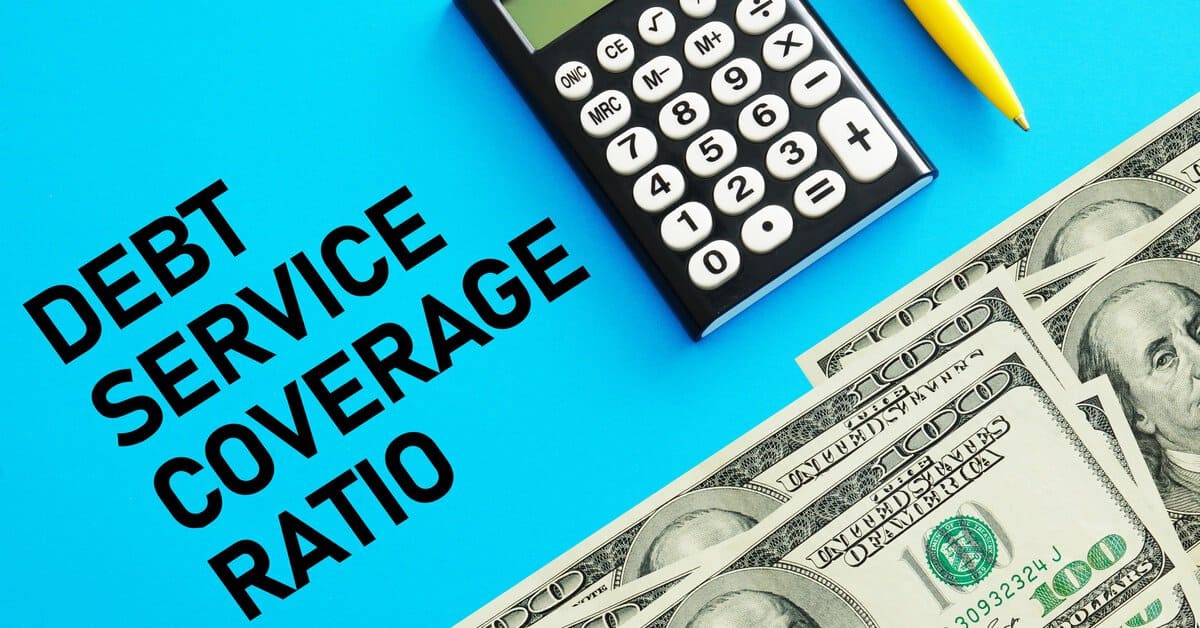

Ever wonder how lenders really decide if your business is worthy of that coveted loan? Well, it often boils down to some key numbers, and one ratio stands tall among the rest: the debt service coverage ratio, or DSCR. This little mathematical gem tells lenders if your business is pulling in enough cash to comfortably meet its debt payments. Think of it as a financial litmus test—better ratios usually mean you’re seen as a safer bet, while weaker ones might put some barriers on your lending path or saddle you with tougher loan terms.
Now, here’s the kicker—understanding how lenders crunch this number gives you a secret advantage. It’s like having the cheat codes before stepping into the game. You get to see through the lender’s lens, spotting areas ripe for improvement before you even fill out that application.
Starting Out With Net Operating Income
Lenders don’t pull numbers out of thin air. They usually kick off with your business’s net operating income (NOI). Picture this as the cash left after covering routine operational costs but before accounting for taxes, interest, depreciation, and amortization. It’s a cleaner snapshot of your earnings that matter most to loan repayment.
Then comes the comparison game: lenders stack that NOI against your yearly debt obligations. This isn’t just your current loans; it also includes any new debts you’re aiming to take on. If you’re a startup hustling for seed money, expect lenders to lean on forecasted financials since historical data might be thin.
Crunching the Total Debt Payments to Find DSCR
Here’s where the magic math happens: lenders add up all your required yearly debt payments and then divide your NOI by that number. The result? Your debt service coverage ratio. Think of it this way:
- If your DSCR is above 1.0, congrats! Your income exceeds those debt payments—you’re in the green.
- A DSCR exactly at 1.0? Well, you’re just scraping by—the income matches what you owe.
- Any number below 1.0? Uh-oh. Your business income might not be enough to foot the debt bill.
But beware, lenders aren’t all created equal—what one sees as acceptable can differ wildly based on the industry, lender, or loan type. So, don’t assume one size fits all.
The Many Moving Parts Affecting Your Ratio
DSCR is like a kaleidoscope—it changes with many factors swirling around. Revenue streams, expense management, prior debts—all play a role. If your business has seasonal swings, lenders typically peek at financials over several periods instead of a single snapshot to get the full picture.
Here’s a nugget—small tweaks can make a big difference. Boosting profits, trimming costs, or knocking down existing debts before applying might just be the tweaks that push your DSCR over the lender’s hurdle.
Why a Solid DSCR Opens Doors
Calculating DSCR is no mere plug-and-play. It’s a window into your company’s financial health and your real capacity to handle debt. Taking the time to review and refine your numbers before the lending dance can arm you with confidence and ready answers for those anticipated lender questions.
At Pango Financial, we’re all about empowering business owners to navigate this landscape smartly. Whether you’re after traditional loans or alternative financing routes, we’re here to untangle the options and find what fits your unique journey. Ready to explore your possibilities? Dive into our business funding solutions tool or reach out today to get the conversation started.
LEARN MORE
Ring Indoor Cam — Home or business security in 1080p HD video, White
$24.99 (as of October 8, 2026 03:10 GMT +00:00 - More infoProduct prices and availability are accurate as of the date/time indicated and are subject to change. Any price and availability information displayed on [relevant Amazon Site(s), as applicable] at the time of purchase will apply to the purchase of this product.)
Lavazza Super Crema Whole Bean Coffee, Medium Espresso Roast, Arabica and Robusta Blend, 22 oz Bag
$8.99 (as of October 8, 2026 03:07 GMT +00:00 - More infoProduct prices and availability are accurate as of the date/time indicated and are subject to change. Any price and availability information displayed on [relevant Amazon Site(s), as applicable] at the time of purchase will apply to the purchase of this product.)
Liquid Death Soda-Flavored Sparkling Water - Classic Variety 2, Less Sugar*, Huge Flavor, No Artificial Sweeteners, 4 Flavors: Sinister Ginger, Doctor Death, Cola, Root Beer, 12 Fl Oz (Pack of 12)
$9.28 (as of October 8, 2026 03:07 GMT +00:00 - More infoProduct prices and availability are accurate as of the date/time indicated and are subject to change. Any price and availability information displayed on [relevant Amazon Site(s), as applicable] at the time of purchase will apply to the purchase of this product.)
Fresh Step Advanced Odor Shield Clumping Cat Litter with Gain, 18.5 lb, 2Pk | Odor Shield with Ammonia Block Technology, Low Dust, Multi Cat, Compatible with Most Automatic Litter Boxes
$19.99 (as of October 8, 2026 03:10 GMT +00:00 - More infoProduct prices and availability are accurate as of the date/time indicated and are subject to change. Any price and availability information displayed on [relevant Amazon Site(s), as applicable] at the time of purchase will apply to the purchase of this product.)










Post Comment