
Could Pluribus Be the AI Revolution We Didn’t See Coming? Rhea Seehorn Breaks the Silence!

Ah, 2026 has delivered a buffet of binge-worthy TV, yet there’s one psychological drama that’s still got my mind running laps: Pluribus. This Apple TV gem, crafted by the legendary Vince Gilligan, isn’t just collecting viewers — it’s sweeping the Emmy nominations with a staggering eighteen nods, including Outstanding Drama Series. But here’s the kicker — could this chilling tale of an alien parasite knitting billions into a single hive mind actually be about AI? I mean, with all the buzz around chatbots and collective consciousness, it’s a question worth chewing on. Rhea Seehorn, the show’s Emmy-nominated star, drops some unexpected gems about the show’s themes — or the lack thereof — and how sometimes the spotlight highlights ideas even the creators hadn’t fully pieced together. So, buckle up. This isn’t your usual surface-level TV review; it’s a dive into the tangled, thought-provoking layers that make Pluribus a standout contender amid this year’s fierce Emmy race. Ready to unravel whether AI truly dances behind the scenes or if it’s all just brilliant storytelling? Let’s dig in. LEARN MORE
 4 min read
There’s been plenty of great TV in 2026, but some of us are still thinking about Pluribus. The psychological drama from Vince Gilligan was a big hit on Apple TV last year. Now, it’s an odds-on favorite to win big at the Emmys, with a whopping eighteen nominations across different categories, including Outstanding Drama Series. Basically, AI could never. But is Pluribus, a thriller about an alien parasite that makes billions of humans share a single consciousness, actually about artificial intelligence?
The show’s Emmy-nominated star, Rhea Seehorn, is weighing in. In an interview with Deadline, the actress was asked about the series’ popular interpretations of the series as an elaborate metaphor for generative artificial intelligence. After all: The billions who become “The Hive” in Pluribus possess all the world’s knowledge, and they want nothing more than to please the last independent people (before absorbing them into their collective, of course). That’s an awful lot like talking to sycophantic chatbots who, for too many people, are both a search engine and a close friend.
When Deadline prompted the question by pointing out how eerily AI-like the Hive are, Seehorn agreed. “[T]hey know everything. They have all this conglomeration of all information and all wisdom in one place,” she said. When the outlet asked point-blank if Pluribus is an exploration of AI, Seehorn admitted she didn’t even think about it.
Said Seehorn: “I knew that Vince doesn’t write in themes. He’s not trying to speak to a specific theme. I also knew that he’s been mulling over some of these questions about humanity, society, all of the plethora of questions that the show brings up for 10-plus years.”
The actress, who also starred in Vince Gilligan’s acclaimed Breaking Bad prequel Better Call Saul, said she was “surprised” during press junkets that questions about AI came up. “I was surprised when we started doing the press junkets and people were bringing up, ‘Oh, this is a commentary on AI, right?’ And I get it now and I know I look like an idiot, but I get so focused on playing the character in the story that she’s in, that I try very hard not to think about how I want it to be interpreted or what is this theme that this is speaking to.”
Seehorn also fielded questions about COVID-19 during the Pluribus press junket, which she also didn’t register while making the show. “Of course, there’s a comparison to be made there with isolation. And I’m a very extrovert-introvert, 50-50 person, and so I very much need my alone time, but the pandemic tested that, so be careful what you wish for, right? And I think Carol’s going through that. I see all of the commentary.” She also said one journalist interpreted the series as a metaphor for depression, which Seehorn vibed with. “[T]his idea that it feels like when you’re in that space that you’re down a well and everybody that keeps saying ‘cheer up’ might as well be speaking a foreign language to you. And I was like, ‘That’s incredible.’”
The rest of the Deadline interview focused on Seehorn’s adoration for her fellow cast and crew, many of whom she’s worked with since Better Call Saul. She also talked about the season 1 ending, which saw Seehorn’s Carol obtain a literal atomic bomb. Seehorn said she has no idea what will unfold in season 2 nor what Carol will do with the bomb, which is exactly how her performance had to play out.
“I don’t know what she’s going to do with the bomb. I really don’t,” she said. “And the good news was, playing Carol, I didn’t need to know because I actually think she made a rash decision. We’ll see, I’ll get episode 1 and I’ll be a big fat liar and I’ll find out that apparently, I had a whole plan and wrote it all out on a whiteboard, I don’t know. But I thought in the moment, that Carol is very rash.”
She added, “I think she’s so angry and, importantly, terrified in that moment that this clock is ticking again, that she asked for the biggest threat that she can think of, but I don’t think she’s really figured out what to do with it.”
Competition for this year’s Emmys is fierce, with shows like The Pitt, Hacks, Beef, and the breakout darling Widow’s Bay all in the mix for awards gold. Is last year’s buzz for Pluribus enough to secure it all the hardware that fans think it deserves? We’d ask ChatGPT, but something tells us it’ll only say what we want to hear.

Ring Battery Doorbell (newest model), Speckled White with Indoor Cam Plus, White
$59.99 (as of September 26, 2026 03:25 GMT +00:00 - More infoProduct prices and availability are accurate as of the date/time indicated and are subject to change. Any price and availability information displayed on [relevant Amazon Site(s), as applicable] at the time of purchase will apply to the purchase of this product.)
Apple AirPods Pro 3 Wireless Earbuds with Active Noise Cancellation | Live Translation, Heart Rate Sensing, Hearing Aid Feature, Bluetooth Headphones, Spatial Audio, USB-C Charging
$199.00 (as of September 26, 2026 03:16 GMT +00:00 - More infoProduct prices and availability are accurate as of the date/time indicated and are subject to change. Any price and availability information displayed on [relevant Amazon Site(s), as applicable] at the time of purchase will apply to the purchase of this product.)
Premier Protein 30g High Protein Shake, Chocolate, 12 Pack | 160 Calories, 24 Vitamins & Minerals, No Added Sugar, Supports Muscle Health, Gluten-Free, 11 oz
$23.97 (as of September 26, 2026 03:05 GMT +00:00 - More infoProduct prices and availability are accurate as of the date/time indicated and are subject to change. Any price and availability information displayed on [relevant Amazon Site(s), as applicable] at the time of purchase will apply to the purchase of this product.)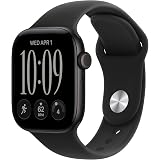
Apple Watch Series 12 GPS 42mm Smartwatch | Black Aluminum Case, Black Sport Band - S/M. Health + Fitness + Sleep Tracking, Heart Rate, Safety
$399.00 (as of September 26, 2026 03:25 GMT +00:00 - More infoProduct prices and availability are accurate as of the date/time indicated and are subject to change. Any price and availability information displayed on [relevant Amazon Site(s), as applicable] at the time of purchase will apply to the purchase of this product.)












Post Comment