
Scandi Minimalist or Maximalist? Discover Which Style Unleashes Your True Wellness Potential!
Minimalism in Scandinavian design? Sure, we all think of crisp lines, muted tones, and that “less is more” mantra that feels as Nordic as a snowy winter morning. But here’s the twist—what if minimalism isn’t the only story Copenhagen wants to tell? Picture this: just when you thought Scandi style was forever married to simplicity, Copenhagen Fashion Week throws a curveball with a flamboyant celebration of maximalism. It’s like watching two polar opposites—one stripped back and serene, the other bold and bursting with colors and textures—jostle for the spotlight on the same runway. Intrigued? You should be. Because this isn’t just fashion; it’s a reflection of a cultural duel, where quiet luxury meets joyful extravagance, and it’s shaking up everything we thought we knew about Scandinavian aesthetics. Ready to dive into this fascinating style saga? LEARN MORE
 3 min read
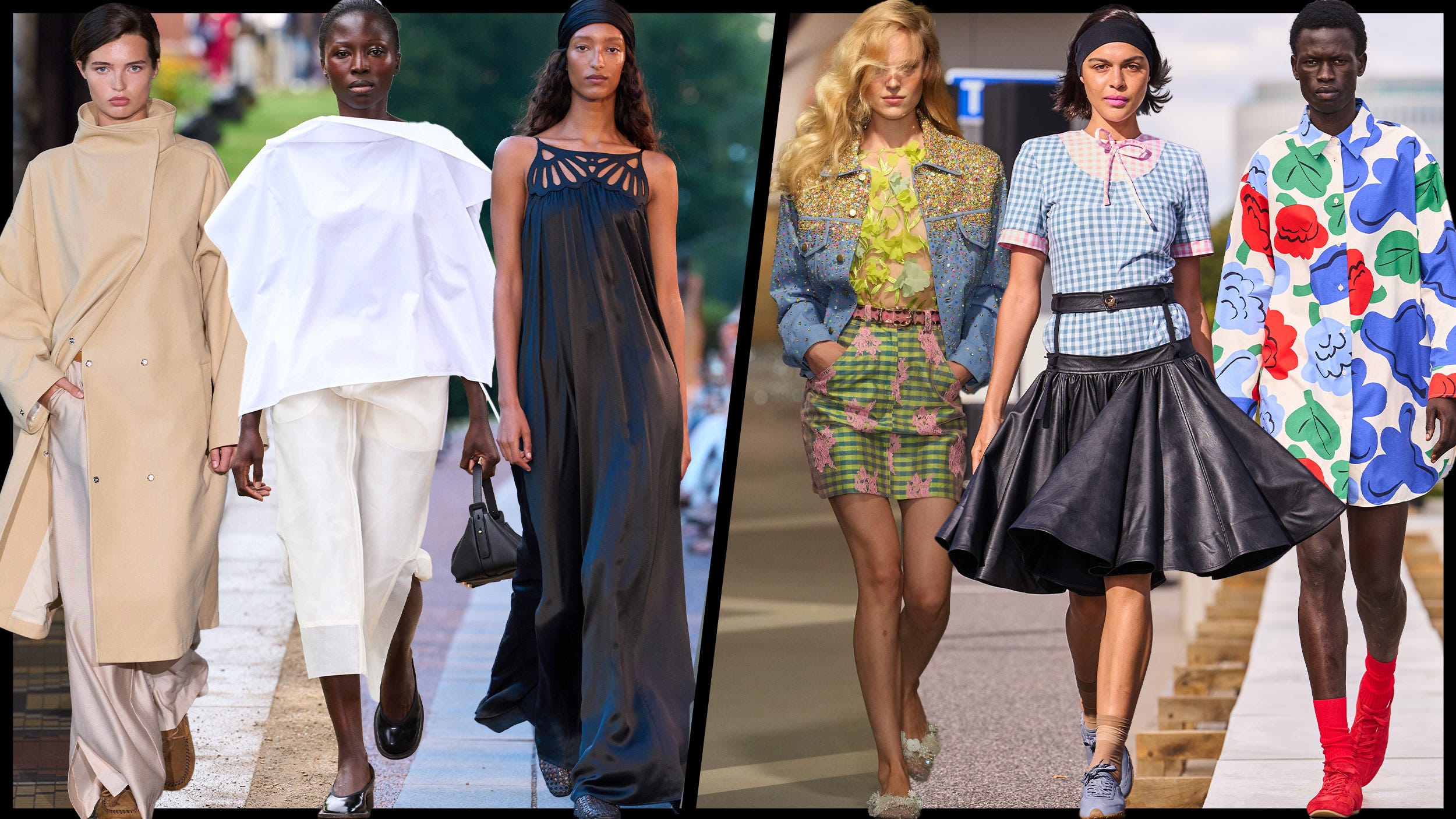
Minimalism is baked into the Scandinavian way of life, or at least the rest of the world’s perception of it. We associate the region with simple design that prioritizes utility over excess. Scandi minimalism is to Copenhagen what “French Girl” style is to Paris: a generalization rooted in some semblance of iconography that’s essentially become a caricature of itself. But recent seasons of Copenhagen Fashion Week have shown a rebellion against that assumption of restraint.
Another Scandi girl aesthetic has been bubbling up in recent years, fueled by the city’s fashion shows and those who attend them. It’s the complete opposite: pure joyful maximalism. Its devotees subscribe to a more-is-more approach to life—and dress like it, too. No combination of bright color, shiny embellishment, and outlandish silhouette is too much. And nowhere are these two camps more evident than on the runways of Copenhagen’s Spring 2027 Fashion Week.

An uncomplicated look at By Malene Birger.
Designer Freya Dalsjo welcomed the minimalists on Monday with a collection of beautiful wardrobe workhorses. She showed classic cotton shirts, a familiar staple, worn oversized and styled with matching pull-on trousers in both black and white. The collection contained sumptuous draped wool outerwear in beige, clean silk tank dresses in cream, and a sculpted woven dress in a heather gray.

Another minimalist look at MKDT
Later in the week, the Garment exhibited subtle twists on staples like trench coats, slip dresses, and tailored separates. Almada Label showed streamlined silk opera coats, one in black and one in cream, alongside clean-cut leather jackets styled with skirts that made a case for leopard as a neutral. That same black, white, beige, and cream color palette extended through the collections of MKDT and By Malene Birger. An offshoot of the quiet luxury movement, these are clothes you wear and not the other way around. It’s a sales-friendly, buy-now-wear-forever kind of fashion.

Marimekko goes bold
And then came the maximalists. Opera Sport opened Copenhagen Fashion Week with a trend-packed haberdashery of hues. The brand showed draped two-piece sets, clingy capris slung with sashes at the hips, and embellished, see-through blouses. Materials ranged from butter yellow lace to scrunchy cotton to fringed silk. Studio Constance skewed edgier with panniers that extended over a foot from the wearer’s form. Then, Nicklas Skovgard debuted campy reinterpretations of ’50s housewife garb.

Stine Goya had fun with prints.
Stine Goya and Marimekko took on wearable, sellable expressions of the idea with floral prints in rainbow hues cut into palatable silhouettes. Mr. Larkin was more feminine, even bohemian, but just as bright. The designer’s unexpected layering ensured her clothes made noise—literally—as models walked: the rhinestone embellishments on pink pants clicked against themselves and the all-over sequins on a skirt swished as models walked. These clothes exalted the concept of personal style and individualism.
These Spring 2027 collections provided a snapshot of the dichotomy of Danish style at its most extreme—this is the runway, after all. And they did so in a manner that felt markedly different from the insular world of luxury fashion, one that swings each season by minute shifts in the collections of Celine, Prada, Alaïa.

One of Nicklas Skovgard’s twisted housewives
But perhaps it makes sense: Copenhagen Fashion Week, only 20 years old itself, is not dominated by century-old luxury houses. These brands are forced to pay attention to fluctuating market trends in the quest to sell their clothes, rather than relying on business from a booming fragrance or handbag business.
And right now, the consumer market for young people tends to fall into two camps. On TikTok, there are the CBK-evocative minimalists on one side and the quirky individualists on the other. Even the Copenhagen street style photographers tended to gravitate towards very minimal or very maximal looks. After all, we’re living in a rather polarized moment—in fashion and in general—and there’s something attention-grabbing about extremes.

Purina Fancy Feast Gravy Lovers, Poultry & Beef Wet Cat Food, 3oz, 24-Pack | Variety Pack, grilled gourmet texture made with no artificial colors or preservatives, 100 percent complete and balanced
$22.86 (as of October 17, 2026 03:12 GMT +00:00 - More infoProduct prices and availability are accurate as of the date/time indicated and are subject to change. Any price and availability information displayed on [relevant Amazon Site(s), as applicable] at the time of purchase will apply to the purchase of this product.)
Tcllka Cat Calming Pheromone Diffuser Effectively Relieve Anxiety Stress Cat Calming Diffuser Comfort for Cats Refill Reduce Fighting Spraying and Scratching Calm Relaxing 48ml/Bottle Fits All Cats
$22.99 (as of October 17, 2026 03:21 GMT +00:00 - More infoProduct prices and availability are accurate as of the date/time indicated and are subject to change. Any price and availability information displayed on [relevant Amazon Site(s), as applicable] at the time of purchase will apply to the purchase of this product.)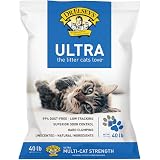
Dr. Elsey's Ultra UnScented Clumping Clay Cat Litter 40 lb. Bag
$22.99 (as of October 17, 2026 03:12 GMT +00:00 - More infoProduct prices and availability are accurate as of the date/time indicated and are subject to change. Any price and availability information displayed on [relevant Amazon Site(s), as applicable] at the time of purchase will apply to the purchase of this product.)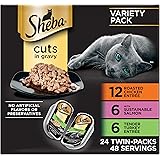
Sheba Perfect Portions Cuts Wet Cat Food, Multipack, 2.6 oz, 24 ct | Chicken, Salmon & Turkey cuts in gravy, grain-free, protein-rich, no corn/soy, essential vitamins & minerals, twin-pack trays
$27.96 (as of October 17, 2026 03:12 GMT +00:00 - More infoProduct prices and availability are accurate as of the date/time indicated and are subject to change. Any price and availability information displayed on [relevant Amazon Site(s), as applicable] at the time of purchase will apply to the purchase of this product.)











Post Comment