
Discover How TAG Heuer’s New Solar-Powered Formula 1 Watch Is Shining Bright Without Breaking the Bank!
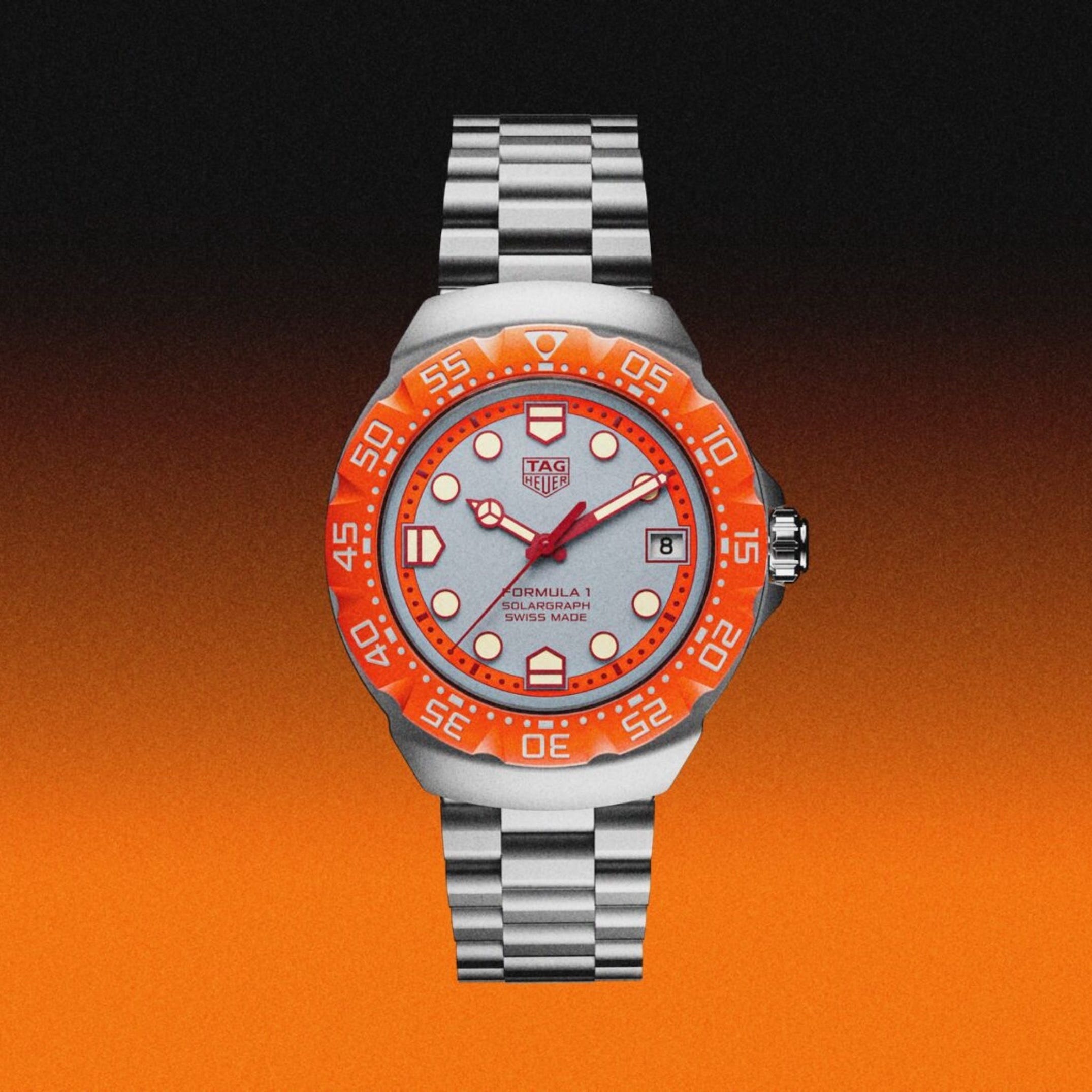
Ever wonder what it takes to capture the electrifying spirit of a roaring crowd and cram it onto your wrist? Well, TAG Heuer just did precisely that. They’ve dropped two fresh Formula 1 Solargraph watches, turning up the dial on Dutch Grand Prix fandom as the legendary race says goodbye to Zandvoort. Picture this: a 38mm timepiece dressed in sandblasted steel, flaunting a gray opaline dial and crowned with a blazing orange bezel—yeah, that’s a shoutout to the sea of orange-clad fans flooding the stands since F1 zoomed back in 2021. It’s not just a watch; it’s a vibe, a statement, a tribute wrapped in Swiss precision and a splash of wild color. So, are you ready to pick your side in this bold celebration with a strap as loud as the cheers or a sleek steel bracelet that whispers sophistication? Tick-tock, the final lap is here — and this time, it’s solar-powered and primed to steal the spotlight. LEARN MORE
 2 min read
TAG Heuer just unveiled two new Formula 1 Solargraph watches to mark the final Dutch Grand Prix at Zandvoort. The new limited editions use the existing 38mm Formula 1 Solargraph as their starting point, with a sandblasted steel case, gray opaline dia,l and bright orange bezel. The color is a reference to the crowds of orange-clad fans that have become a feature of the Dutch Grand Prix since Formula 1 returned to Zandvoort in 2021.

The only question, then, is which version you prefer. The more colorful of the pair comes on an orange rubber strap and will be made in an edition of 1,500, priced at $2,150. A second version, limited to 1,000 pieces, comes on a sandblasted three-row steel bracelet and costs $22,50. The latter will be available exclusively online.
The bright colors and relatively accessible pricing have been part of the Formula 1 story from the beginning. The original appeared in 1986, the first watch to carry the newly created TAG Heuer name, and was conceived as an entry point into Swiss watchmaking.
“The internal team had started to develop an entry-level quartz watch, to not compete directly with Swatch,” TAG Heuer heritage director Nicholas Biebuyck told Esquire when the original Formula 1 was revived in 2024. The idea, he said, was to “give people a gateway into Swiss watchmaking.”
It proved spectacularly successful. The first-generation Formula 1 came in dozens of color combinations and TAG Heuer sold around three million of them.
“It was a reaction to Swatch,” vintage Heuer historian Jeff Stein told us. “Quartz, plastic, colorful—almost an infinite variety on the palette.”
Unlike Swatch, however, the Formula 1 was conceived as a proper sports watch, with a rotating bezel and 200 meters of water resistance.
The Zandvoort editions are considerably more grown-up objects, although the basic proposition—color, quartz, and a relatively accessible entry into TAG Heuer—remains recognizable. Both new versions use the brand’s TH50-00 Solargraph movement, charged by natural or artificial light. A full charge provides up to 10 months of power in complete darkness, while just one minute of direct sunlight is enough to power the watch for a day.
Both watches also have sapphire crystals, a date window at three o’clock, and 100 meters of water resistance. Orange and red detailing continues around the dial, with Super-LumiNova on the hands and applied hour markers.
The Dutch Grand Prix returned to the Formula 1 calendar in 2021 after a 36-year absence. Its current run ends this year, giving TAG Heuer a convenient reason to produce one of the loudest versions yet of a watch that was never particularly interested in being under the radar.
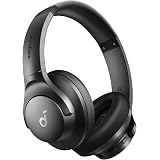
Soundcore by Anker Q20i Hybrid Active Noise Cancelling Headphones, Black | Over-Ear, Bluetooth, 40H ANC Playtime, Hi-Res Audio, Big Bass, Transparency Mode, Customize via App, Travel, Home, Office
$44.99 (as of October 16, 2026 03:21 GMT +00:00 - More infoProduct prices and availability are accurate as of the date/time indicated and are subject to change. Any price and availability information displayed on [relevant Amazon Site(s), as applicable] at the time of purchase will apply to the purchase of this product.)
The Farmer's Dog Human-Grade Crunchy Dog Biscuits, Peanut Butter & Pumpkin | All-Natural Dog Treats Made with Real Ingredients For Puppies and Adult Dogs, For All Ages, Sizes and Breeds
$13.48 (as of October 16, 2026 03:21 GMT +00:00 - More infoProduct prices and availability are accurate as of the date/time indicated and are subject to change. Any price and availability information displayed on [relevant Amazon Site(s), as applicable] at the time of purchase will apply to the purchase of this product.)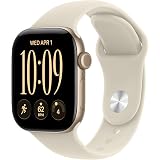
Apple Watch Series 12 GPS 42mm Smartwatch | Light Gold Aluminum Case, Sand Sport Band - S/M. Health + Fitness + Sleep Tracking, Heart Rate, Safety
$389.99 (as of October 16, 2026 03:33 GMT +00:00 - More infoProduct prices and availability are accurate as of the date/time indicated and are subject to change. Any price and availability information displayed on [relevant Amazon Site(s), as applicable] at the time of purchase will apply to the purchase of this product.)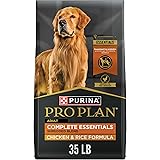
Purina Pro Plan Complete Essentials Chicken & Rice Dry Dog Food, 35 lb Bag | Shredded Blend crunchy kibble with tender pieces, real chicken as the first ingredient, live probiotics for digestive health
$74.48 (as of October 16, 2026 03:11 GMT +00:00 - More infoProduct prices and availability are accurate as of the date/time indicated and are subject to change. Any price and availability information displayed on [relevant Amazon Site(s), as applicable] at the time of purchase will apply to the purchase of this product.)














Post Comment