
Unlock the Hidden Power of Zombies: 8 Graphic Novels That Will Change How You See Survival and Strength
Zombies—you’d think by now we’ve seen it all, right? The rotting corpses, the frantic headshots, the endless apocalypse scenarios. Funny thing is, they just refuse to stay dead. I mean, why do these brain-eaters keep dragging themselves back into our stories, again and again? Here’s a thought: the real charm of zombie tales isn’t their gore fest; it’s what these undead messengers deliver beneath the surface. Depending on the storyteller, zombies morph into powerful metaphors—social collapse, corporate grind gone haywire, class struggles, family drama, the hunger for power, or humanity’s knack for cooking up chaos it can’t handle. The blood may snag your eyeballs, but it’s the ideas gnawing beneath that stay lodged in your mind. Intrigued? Let me walk you through eight graphic novels that master this art — the difference between mindless horror and stories that stick with you long after the last page.
Zombies have supposedly been “done” for years.
Funny thing is, they keep coming back.
That’s because the best zombie stories aren’t really about rotting corpses and headshots. The undead are a delivery system. Depending on who’s writing them, zombies can stand in for social collapse, corporate burnout, class anxiety, family, power, unchecked appetite, or humanity’s remarkable talent for creating problems it can’t control.
The blood gets your attention. The idea underneath is what sticks.
Here are eight graphic novels that understand the difference…
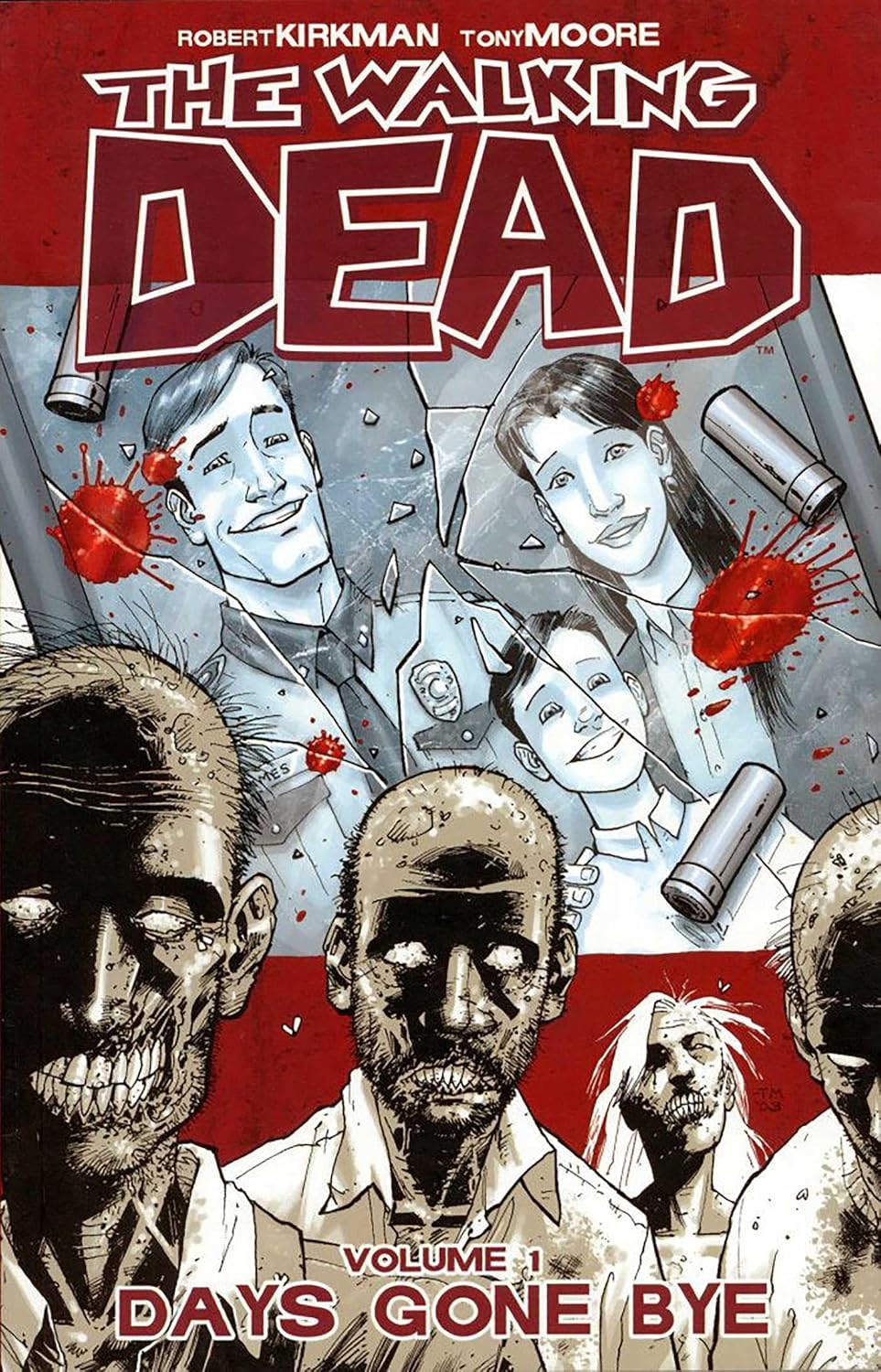
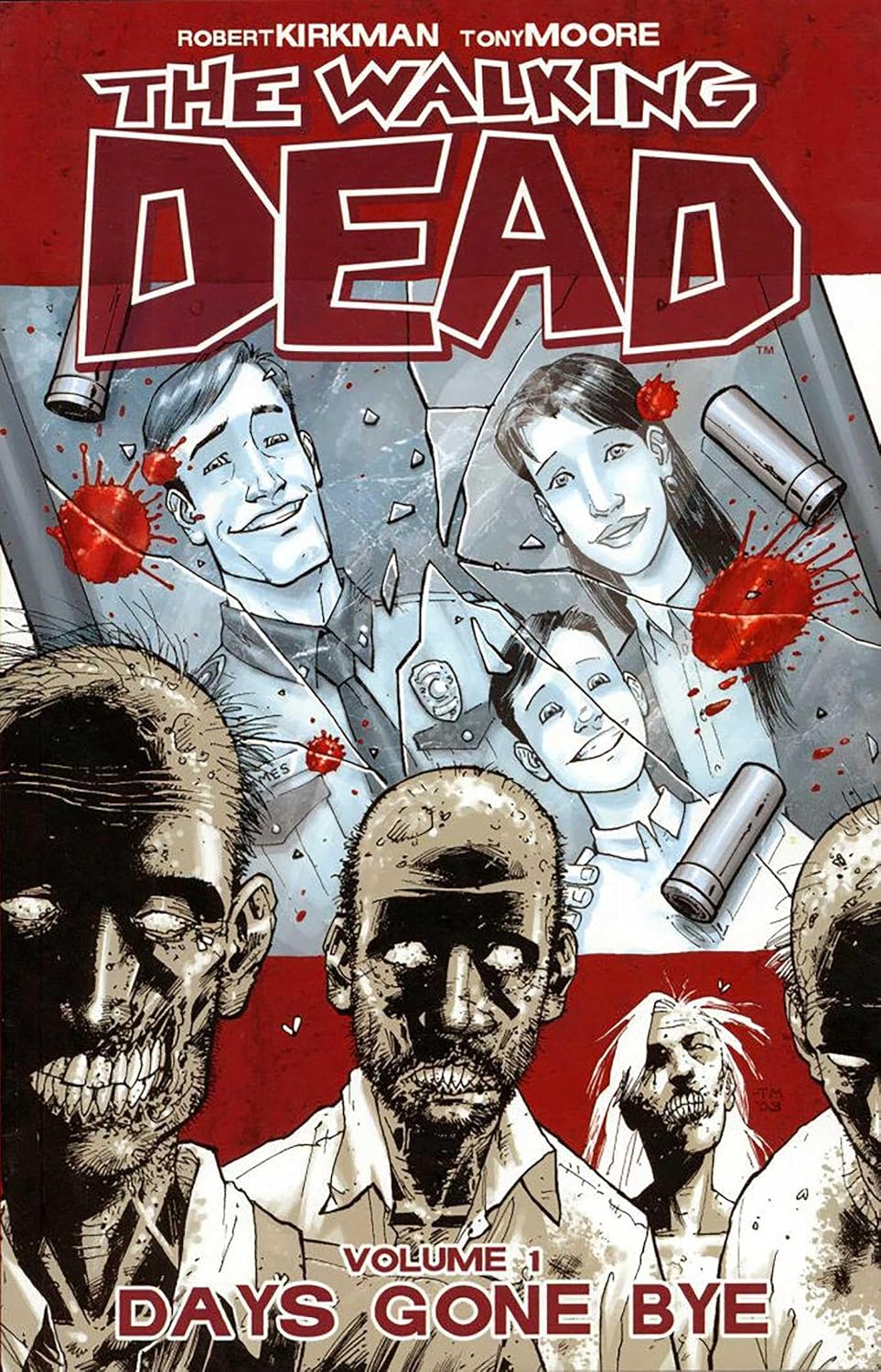
1. The Walking Dead, Vol. 1: Days Gone Bye
Written by Robert Kirkman • Art by Tony Moore
What Civilization was Keeping Buried
Rick Grimes wakes up in a hospital and discovers the world ended without him.
Simple enough.
But The Walking Dead didn’t become the defining modern zombie comic because Robert Kirkman kept finding new ways to have people eaten. The zombies create the pressure. The living create the real horror.
Strip away governments, laws, jobs, and consequences and everyone has to decide what kind of person they actually are. Some become better. Others reveal that civilization wasn’t making them good. It was just keeping them contained.
That’s why *The Walking Dead* endured. The walkers are dangerous. People with nothing left to lose are worse.
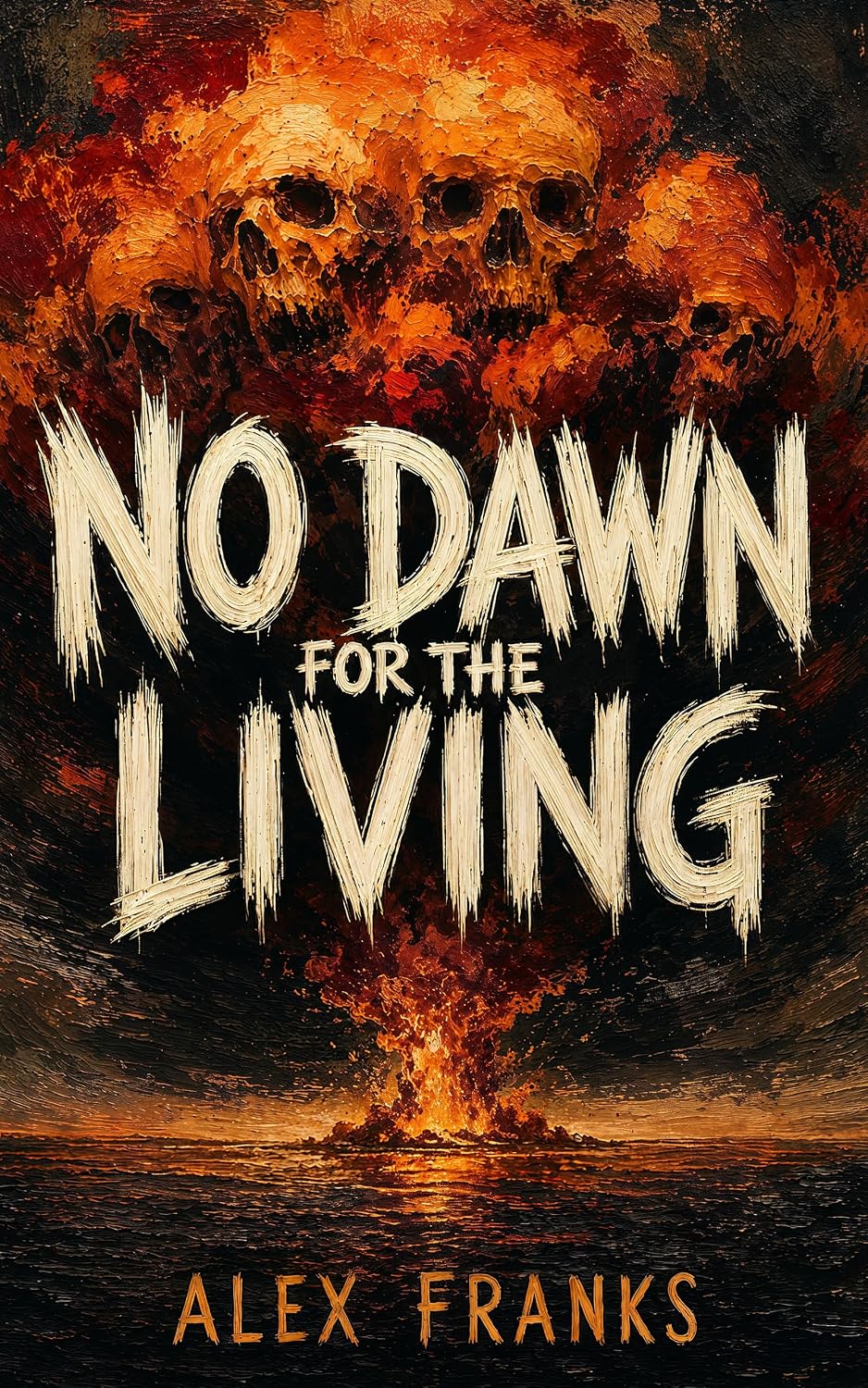
2. No Dawn for the Living
by Alex Franks
When War Creates Something Worse
History remembers two atomic bombs. This ship was carrying a third.
It’s July 1945. A secret U.S. Navy mission is transporting a third atomic bomb across the Pacific as insurance in case anything happens to the two bombs already bound for Japan.
When a Japanese air raid cripples the ship, the survivors are forced ashore on a remote Pacific island where something is terribly wrong.
No birds. No footprints. The local guides say the island is cursed.
As American and Japanese soldiers alike begin returning from the dead, a handful of scientists, Marines, and a stranded enemy pilot must set aside a war that suddenly no longer matters.
That’s the setup for No Dawn for the Living, a complete WWII horror graphic novel blending alternate history, military survival, and zombie horror.
Trapped between an unstoppable undead horde and the most destructive weapon ever created, the characters in this gory graphic novel face an impossible choice:
Escape… or make sure nothing on the island ever leaves.
The zombies aren’t the real monster in No Dawn for the Living. The real monster is mankind’s ability to keep inventing new ways to kill itself.
If you like WWII survival horror, doomed expeditions, and apocalyptic stakes, put this one on your radar.
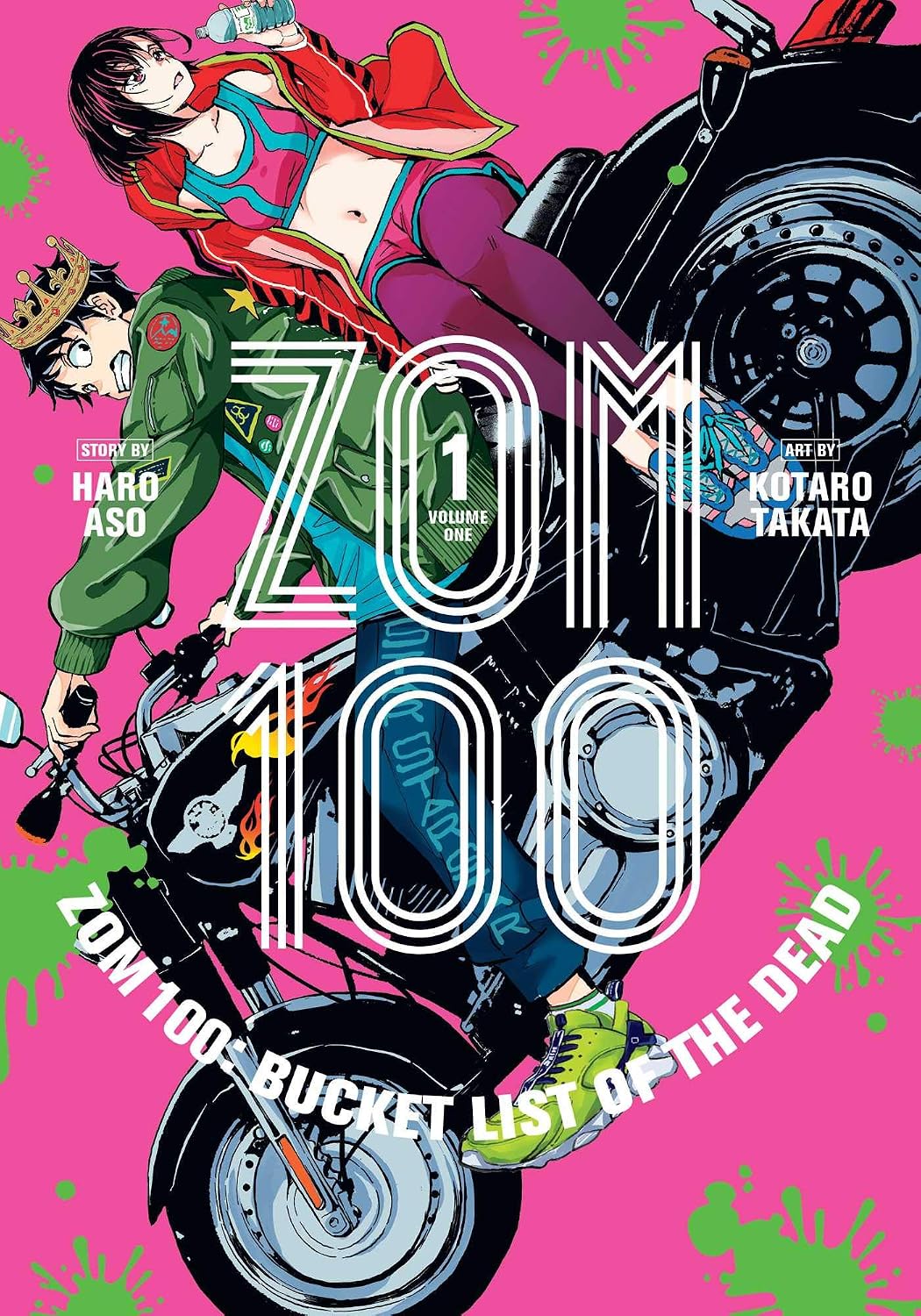
3. Zom 100: Bucket List of the Dead, Vol. 1
Story by Haro Aso • Art by Kotaro Takata
When the Apocalypse Is Better Than Your Job
Akira Tendo sees the zombie apocalypse outside his window and feels something unexpected.
Relief.
He doesn’t have to go to work.
That’s the beautifully twisted engine behind Zom 100: Bucket List of the Dead. Before civilization collapses, Akira is already being slowly destroyed by an exploitative corporate job.
Then the world ends, and for the first time in years, he feels alive.
So he makes a bucket list.
Travel. Eat good food. Take risks. Do all the things he kept postponing because work always came first.
Beneath the bright energy and zombie carnage is a savage little question: If the end of the world improves your quality of life, how bad was your old life?
4. Afterlife with Archie: Escape from Riverdale
Written by Roberto Aguirre-Sacasa • Illustrated by Francesco Francavilla
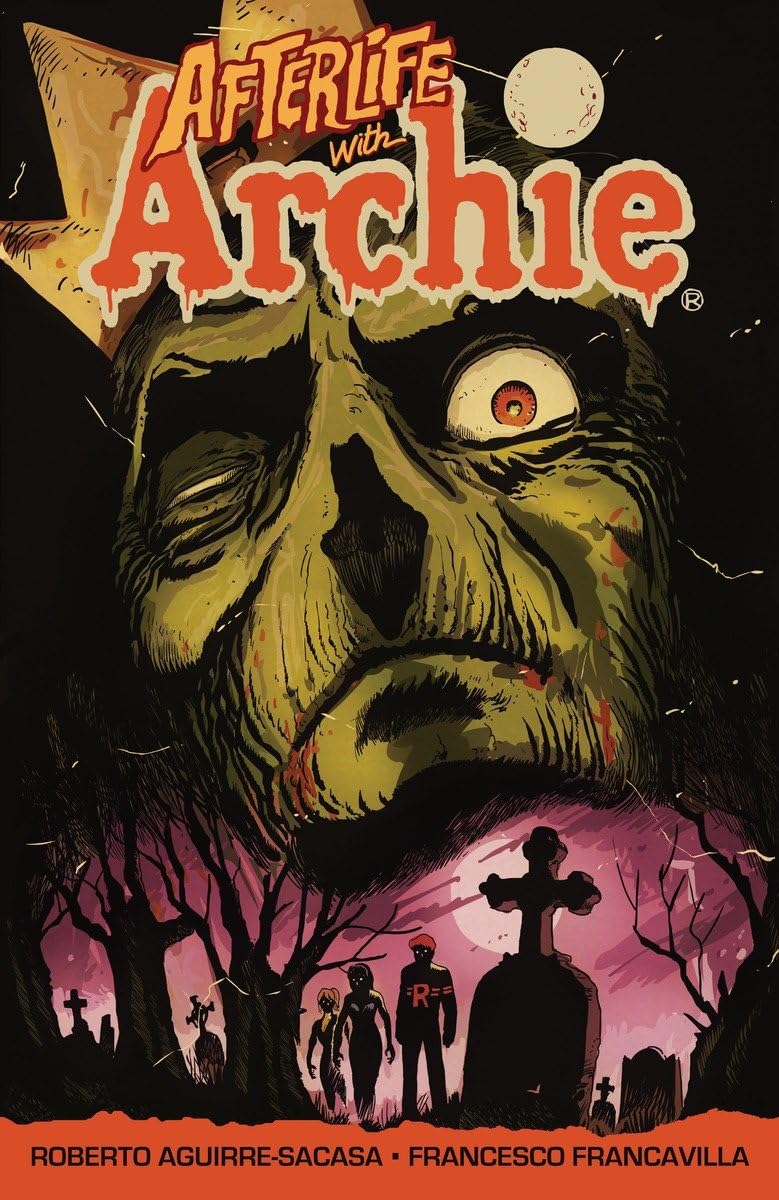
When Childhood Stops Feeling Safe
Riverdale might be one of the safest places in American pop culture.
That’s exactly why destroying it works.
Afterlife with Archie: Escape from Riverdale sounds like a stunt: Archie, Jughead, Betty, and Veronica, but zombies.
It isn’t.
The horror comes from watching a world built around familiarity and comfort suddenly lose both.
Riverdale is supposed to reset. Problems get solved. Everyone shows up again next time.
Then the dead arrive and the safety net disappears.
The book doesn’t just splash gore across something wholesome. It weaponizes the reader’s own sense of familiarity.
Sometimes the easiest way to make horror unsettling isn’t to take us somewhere terrifying. It’s to take somewhere we already feel safe and turn out the lights.
5. DCeased
Written by Tom Taylor • Art by Trevor Hairsine and Stefano Gaudiano
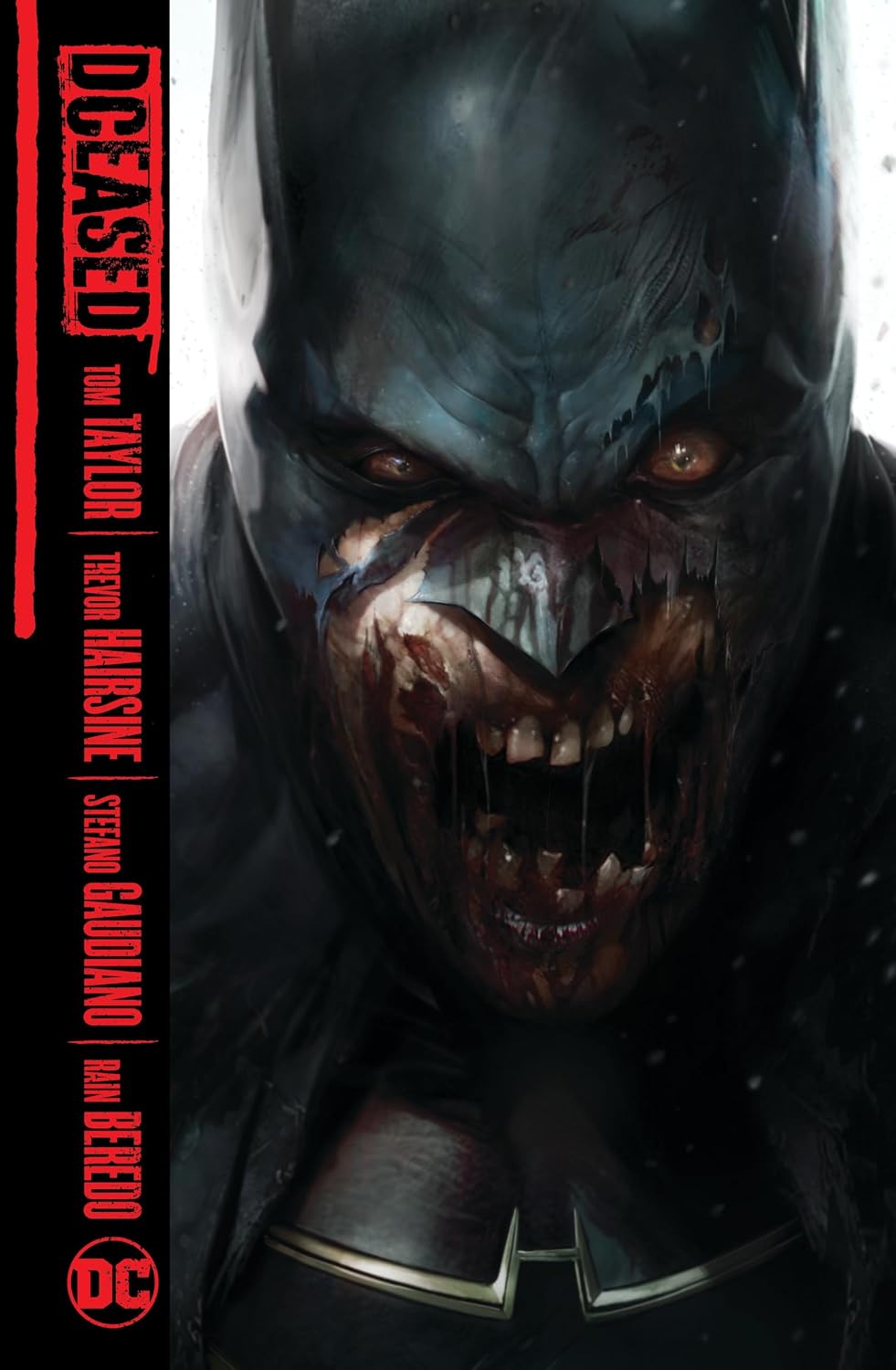
When Superpowers Still Aren’t Enough
Superhero stories are built around one reassuring idea: Someone powerful can fix this.
DCeased takes that away.
The Anti-Life Equation spreads at the viral speed of social media, turning connectivity itself into a threat and forcing some of DC’s most powerful heroes into a fight they may not be able to win.
That’s what gives the story its bite.
The scary part isn’t simply seeing familiar heroes infected. It’s watching characters accustomed to solving impossible problems discover that power doesn’t guarantee control.
Superman can save a planet. Batman can prepare for almost anything.
Neither can guarantee that everyone they love makes it home.
Suddenly, gods have the same problem as everybody else.
6. I Am a Hero Omnibus, Volume 1
Written and illustrated by Kengo Hanazawa
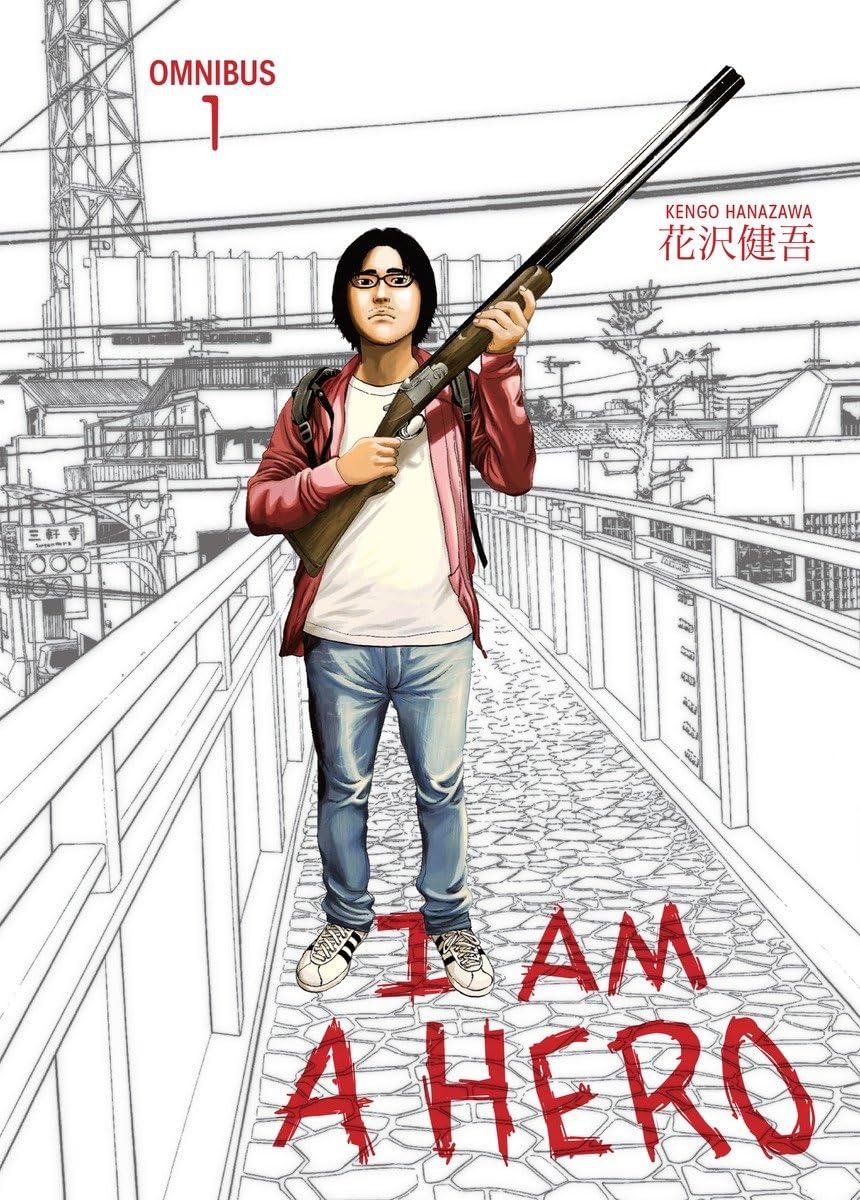
What If You Can’t Trust the Hero?
Most zombie stories ask whether an ordinary person can rise to the occasion.
I Am a Hero makes that question considerably messier.
Hideo Suzuki is a struggling manga artist, socially isolated, anxious, and psychologically unstable.
Even before things start going seriously wrong, you’re not always certain how much you should trust what he sees.
Then the world actually does begin falling apart.
That makes Kengo Hanazawa’s slow-burning manga especially effective. By the time the infected arrive in force, the reader has already spent enough time inside Hideo’s uneasy perspective to wonder where dysfunction ends and apocalypse begins.
The body horror gets nasty. The uncertainty is worse.
7. The New Deadwardians
Written by Dan Abnett • Art by I.N.J. Culbard
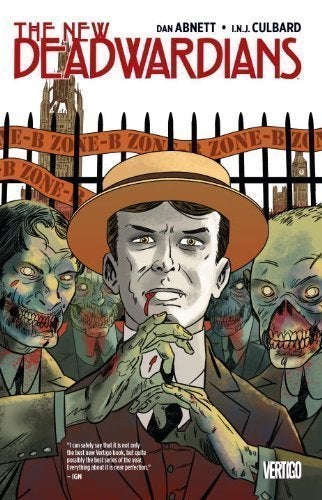
The Undead Have a Class System
Here’s the elevator pitch:
Post-Victorian England.
The upper classes are vampires.
The lower classes are zombies.
And an undead detective has a murder to solve.
The New Deadwardians turns supernatural horror into class warfare with remarkable efficiency.
The privileged have found a way to protect themselves from the chaos outside. Everyone else gets left beyond the walls.
The result feels less like a conventional outbreak story and more like supernatural noir about who society protects, who it abandons, and who gets classified as disposable.
Turns out the class divide looks even uglier when one side literally feeds on the other.
8. Marvel Zombies
Written by Robert Kirkman • Art by Sean Phillips
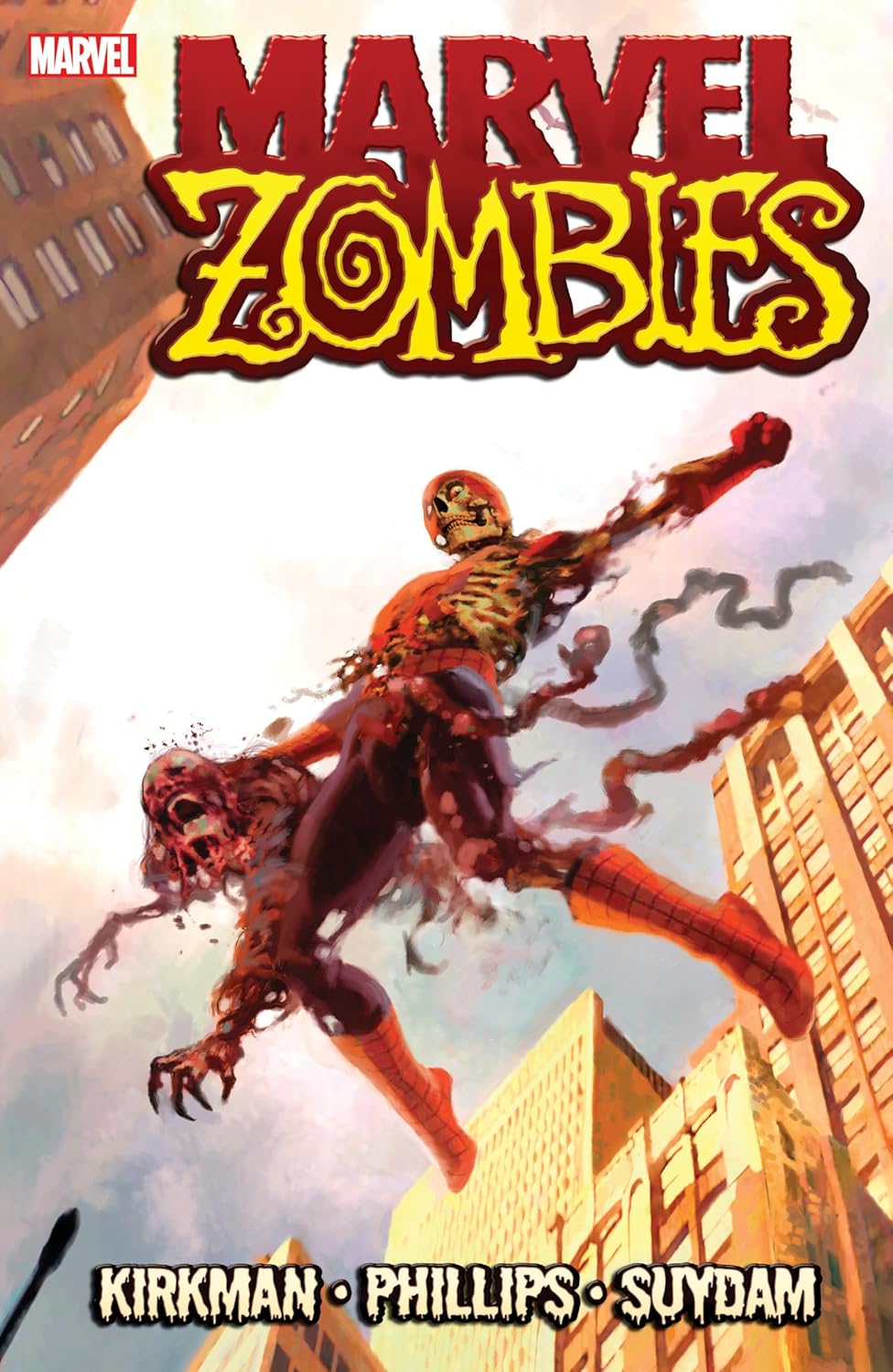
What If Nothing Is Ever Enough?
At the opposite end of the subtlety spectrum sits Marvel Zombies.
The pitch is gloriously ridiculous: Marvel superheroes become zombies and start eating everyone.
And yes, the series knows exactly how absurd that sounds.
But underneath the gore and black comedy is a surprisingly effective idea about appetite. These aren’t mindless corpses. They retain their personalities, intelligence, and powers.
They simply can’t stop wanting more.
Give an ordinary zombie endless hunger and you have a monster.
Give endless hunger to beings capable of crossing planets and reshaping worlds and you have a much bigger problem.
That’s the joke. And the nightmare.
Unlimited power doesn’t satisfy unlimited appetite. It just gives it more places to feed.
Why Zombies Keep Coming Back
Zombie stories endure because the dead can mean almost anything.
They can strip away civilization, expose bad systems, turn familiar places hostile, make power feel useless, or force characters to confront the things they would rather ignore.
That flexibility is why the genre keeps finding new life.
The Walking Dead uses zombies to test morality. Zom 100 turns them into an escape from a life already gone wrong. Afterlife with Archie weaponizes nostalgia. DCeased attacks the idea that power guarantees control. The New Deadwardians turns class into something literal and monstrous. And No Dawn for the Living turns the atomic age into horror, pairing the undead with humanity’s growing ability to create catastrophes it cannot contain.
The settings change. The metaphors change. The fears change.
The zombies just keep showing up.
Maybe that is why the genre never really dies. There is always something new for the dead to dig up.

Apple AirPods Pro 3 Wireless Earbuds with Active Noise Cancellation | Live Translation, Heart Rate Sensing, Hearing Aid Feature, Bluetooth Headphones, Spatial Audio, USB-C Charging
$199.00 (as of October 16, 2026 03:21 GMT +00:00 - More infoProduct prices and availability are accurate as of the date/time indicated and are subject to change. Any price and availability information displayed on [relevant Amazon Site(s), as applicable] at the time of purchase will apply to the purchase of this product.)
Meow Mix Original Choice Dry Cat Food, 6.3 Pound Bag
$8.99 (as of October 16, 2026 03:11 GMT +00:00 - More infoProduct prices and availability are accurate as of the date/time indicated and are subject to change. Any price and availability information displayed on [relevant Amazon Site(s), as applicable] at the time of purchase will apply to the purchase of this product.)
Temptations Classic Crunchy and Soft Cat Treats, Tasty Chicken, 30 oz | Under 2 calories per treat, crunchy outside & soft inside, resealable tub, 100% complete & balanced, snack, meal or topper
$14.94 (as of October 16, 2026 03:11 GMT +00:00 - More infoProduct prices and availability are accurate as of the date/time indicated and are subject to change. Any price and availability information displayed on [relevant Amazon Site(s), as applicable] at the time of purchase will apply to the purchase of this product.)
4K+1080P*3 FHD Dash Cam Front and Rear, 360° Car Camera, 5.8GHz WiFi 20MB/s | 4 Channel Dash Cam, 8 LED IR Night Vision, Loop Recording, 24H Parking Monitor, App Control, Includes 64GB SD Card, Black
$69.99 (as of October 16, 2026 03:33 GMT +00:00 - More infoProduct prices and availability are accurate as of the date/time indicated and are subject to change. Any price and availability information displayed on [relevant Amazon Site(s), as applicable] at the time of purchase will apply to the purchase of this product.)




Post Comment