
How the Supreme Court’s Shocking Ruling is Supercharging ICE’s Power—And What It Means for Your Freedom
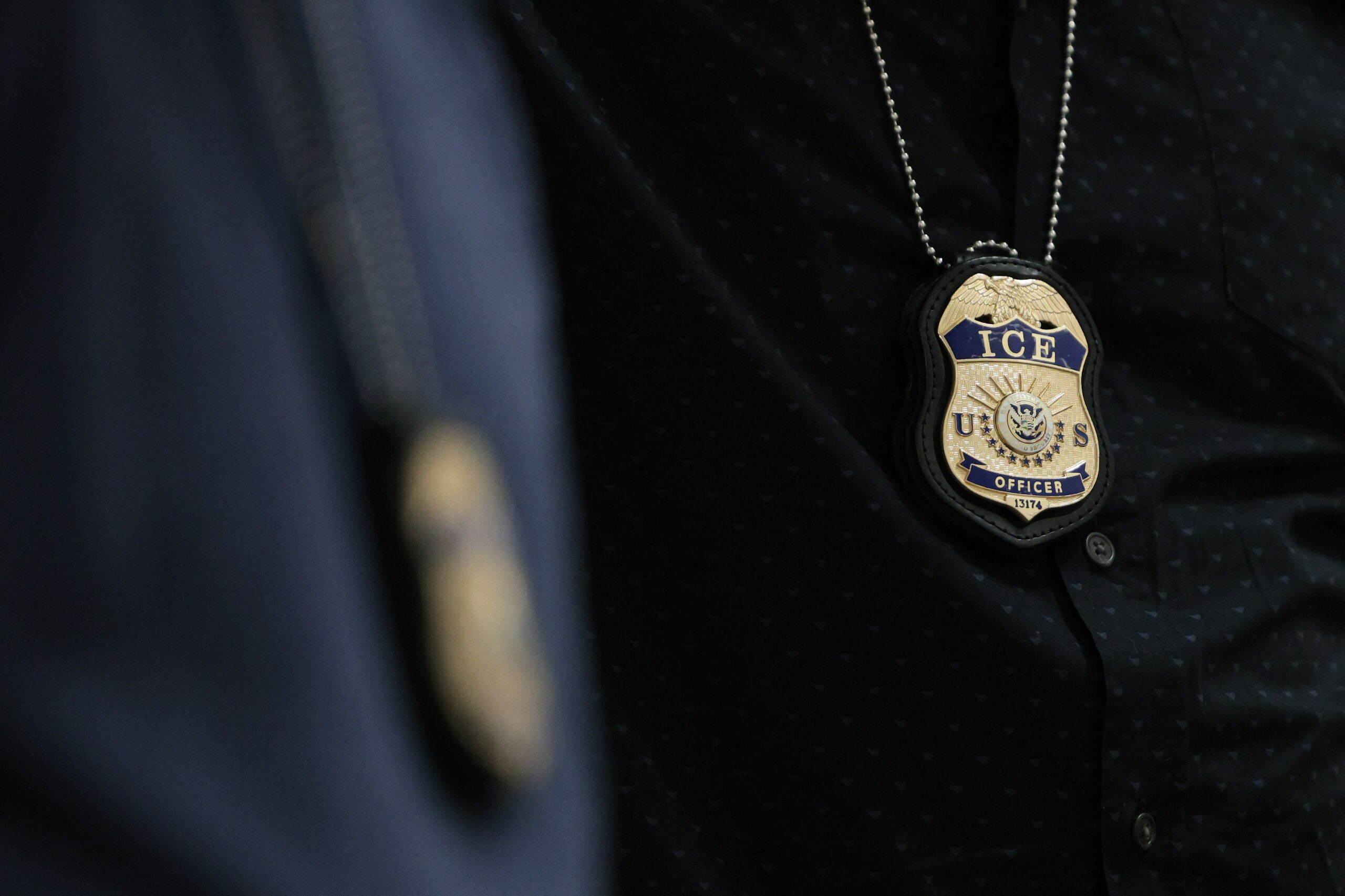
You’d think after all these years crawling through the wild jungle of language, I’d have heard every ethnic slur under the sun—turns out, nope, not even close. The ingenuity of prejudice is genuinely mind-boggling. Just when you think you’ve got it pegged, along comes a fresh batch of disdainful terms cooked up by those who police our streets under the guise of “enforcement.” And get this—the law that long stood as a fortress against racial profiling? It’s wobblier than ever, especially when it comes to immigration. The Supreme Court, led by Justice Brett Kavanaugh, has even started giving a reluctant nod to these practices, shaking the very core of civil rights protections. It’s like watching a slow-motion trainwreck where the only question left is: how far will they push before someone finally pulls the emergency brake? Buckle up, ‘cause this ride through racial profiling scandals, newly unveiled slurs, and legal gray zones is as unsettling as it is essential to understand. LEARN MORE
 2 min read
At my age, I didn’t know there were any ethnic slurs with which I’d be unfamiliar. The creativity of bigotry knows no limit, I guess. From The New York Times:
Now, body-camera footage, text messages, and other documents emerging from lawsuits around the country reveal how race and ethnicity have figured in the dragnets that unfolded in Los Angeles, Chicago, Minneapolis, and other U.S. cities. In several instances documented in court filings, federal agents referred to targets as “tonks”—a derogatory term typically used to refer to Mexican immigrants and intended to echo the sound of agents’ flashlights striking their heads. Migrants suspected of being undocumented were described as “wet,” shorthand for the slur wetback. And an agent who led an operation in Southern California later described the appearance of individuals he considered suspicious: “older Hispanic males.”
Yet even as evidence of racial profiling has come to light, what seemed like settled law—that law enforcement officers could not question or detain someone solely based on their race or ethnicity—has turned out to be far more of an open question when it comes to immigration enforcement.
Gee, I wonder why that is.
Last year, the Supreme Court took a step toward upending a half-century of jurisprudence when Justice Brett Kavanaugh gave a provisional blessing to such racial profiling by agents seeking out undocumented immigrants. The government has maintained that their operations are constitutional. The lawsuit that led to the court’s temporary decision and other similar suits are still working their way through lower courts, and it could be months before they are resolved and years before the Supreme Court has a chance to say more.
There we go.
In one sworn declaration, a driver in a traffic stop in San Bernardino, California, said an officer told him he had been pulled over “because he looked like a ‘paisa,’” a slang term for a Mexican compatriot or newly arrived immigrant.
Another new slur! You learn something every day.
Sheba Perfect Portions Cuts Wet Cat Food, Multipack, 2.6 oz, 24 ct | Chicken, Salmon & Turkey cuts in gravy, grain-free, protein-rich, no corn/soy, essential vitamins & minerals, twin-pack trays
$27.96 (as of October 22, 2026 03:13 GMT +00:00 - More infoProduct prices and availability are accurate as of the date/time indicated and are subject to change. Any price and availability information displayed on [relevant Amazon Site(s), as applicable] at the time of purchase will apply to the purchase of this product.)
Wonderful Halos Mandarins, Sweet, Seedless, Easy Peel Mandarin Oranges - Healthy Food, Fresh Fruit, 3lb Bag
(as of October 22, 2026 03:12 GMT +00:00 - More infoProduct prices and availability are accurate as of the date/time indicated and are subject to change. Any price and availability information displayed on [relevant Amazon Site(s), as applicable] at the time of purchase will apply to the purchase of this product.)
Hisense 55" Class E6SR Series Hi-QLED 4K UHD Smart Roku TV (55E6SR, 2026 Model) - Dolby Vision, Game Mode Plus, VRR, ALLM, DTS Virtual:X, Apple AirPlay, Compatible with Alexa and Google Assistant
$329.99 (as of October 21, 2026 03:33 GMT +00:00 - More infoProduct prices and availability are accurate as of the date/time indicated and are subject to change. Any price and availability information displayed on [relevant Amazon Site(s), as applicable] at the time of purchase will apply to the purchase of this product.)
Coca-Cola Soda Soft Drink Fridge Pack Cans, 12 fl oz, 12 Pack | Carbonated drink with classic cola flavor
$7.68 (as of October 22, 2026 03:12 GMT +00:00 - More infoProduct prices and availability are accurate as of the date/time indicated and are subject to change. Any price and availability information displayed on [relevant Amazon Site(s), as applicable] at the time of purchase will apply to the purchase of this product.)











Post Comment