
Inside the U.S. Playbook: How Crushing Iran’s Economy Could Ignite a Global Power Shift — Are You Ready to Capitalize?

When the U.S. Treasury Secretary Bessent drops the word “squash” in the same sentence as Iran’s economy, you better sit up and take notice. Since the sparks first flew in February 2026, the U.S.-Iran conflict hasn’t just simmered – it’s been a relentless fire with no plans for a ceasefire. What really gets the gears turning here is how this isn’t just about military muscle anymore; it’s a full-scale economic squeeze with sanctions tightening and regional tensions running hot around the Strait of Hormuz. So here’s the million-dollar question: can crushing a nation’s economy actually topple its regime, or are we witnessing a more complex chess game that’s about to redraw the Middle Eastern power map? Buckle up, because this clash isn’t just about flags waving—it’s about strategies that could reshape decades of diplomacy and dollars. LEARN MORE

In a decisive statement, U.S. Treasury Secretary Bessent declared the U.S. intention to “squash” Iran’s economy and bring about the collapse of its regime. The remarks were made amid the ongoing U.S.-Iran conflict, which began in February 2026, involving active hostilities with no ceasefire. This development underscores the U.S.’s commitment to intensifying economic pressure on Iran, especially with recent sanctions and regional military tensions already in play. The Strait of Hormuz remains a critical flashpoint in this prolonged conflict as diplomatic talks between the U.S. and Iran remain stalled.
Key Takeaways
- Treasury Secretary Bessent’s statement suggests an intensified U.S. approach to economically weaken Iran, consistent with a decreased likelihood of including reconstruction funding in a future U.S.-Iran deal.
- Market pricing indicates a reduced probability of a final nuclear agreement between the U.S. and Iran, as Bessent’s comments reflect a hardline stance that could hinder negotiations.
- The U.S.’s strategic focus on economic measures could indicate a shift in tactics, potentially impacting the broader dynamics of Middle Eastern geopolitics.
What to Watch
Observers should monitor any further statements or actions from the U.S. Treasury and State Department that may provide additional clarity on the administration’s strategy towards Iran. Developments related to the Strait of Hormuz and any shifts in military activity or sanctions will be key indicators of the conflict’s trajectory. Additionally, any diplomatic engagements or breakthroughs in negotiations could alter the current market outlook on a potential U.S.-Iran deal.
Get live prediction-market analysis, powered by Vera. Sign up for Vera.

Amazon Basics Leak-Proof Dog and Puppy Potty Training Pee Pads with Quick-Dry 5-Layer Super Absorbent Design, Regular Size 22 x 22 inch, Blue & White, 100 Count
$19.20 (as of October 21, 2026 03:12 GMT +00:00 - More infoProduct prices and availability are accurate as of the date/time indicated and are subject to change. Any price and availability information displayed on [relevant Amazon Site(s), as applicable] at the time of purchase will apply to the purchase of this product.)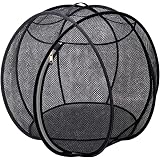
Pop Up Catio Outdoor Cat Enclosure Rolling 27" Cat Hamster Ball for Outside | Foldable Breathable Mesh Pet Playpen with Zipper, Portable Lightweight Ball Cage for Indoor Cats, Travel, Lawn & Backyard
$19.98 (as of October 21, 2026 03:22 GMT +00:00 - More infoProduct prices and availability are accurate as of the date/time indicated and are subject to change. Any price and availability information displayed on [relevant Amazon Site(s), as applicable] at the time of purchase will apply to the purchase of this product.)
(2 Pack) Replacement Remote Control for Roku TV, for TCL Roku/Onn Roku TVs | for Hisense Roku/Sharp Roku/Element Roku/Westinghouse Roku/Philips Roku Smart TV (Not for Stick & Box) Ready Out of the Box
$8.97 (as of October 21, 2026 03:22 GMT +00:00 - More infoProduct prices and availability are accurate as of the date/time indicated and are subject to change. Any price and availability information displayed on [relevant Amazon Site(s), as applicable] at the time of purchase will apply to the purchase of this product.)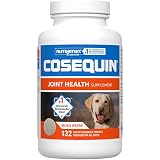
Nutramax Cosequin Joint Supplement for Dogs, Chewable Tablets, 132ct | Glucosamine + Chondroitin for Dogs with MSM, Supports Healthy Joints, All Breeds & Sizes, All Ages
$34.91 (as of October 21, 2026 03:12 GMT +00:00 - More infoProduct prices and availability are accurate as of the date/time indicated and are subject to change. Any price and availability information displayed on [relevant Amazon Site(s), as applicable] at the time of purchase will apply to the purchase of this product.)













Post Comment