Unlock the Secrets of the 2026 Workplace Dictionary: The Future Lingo Every Entrepreneur Needs to Master Now
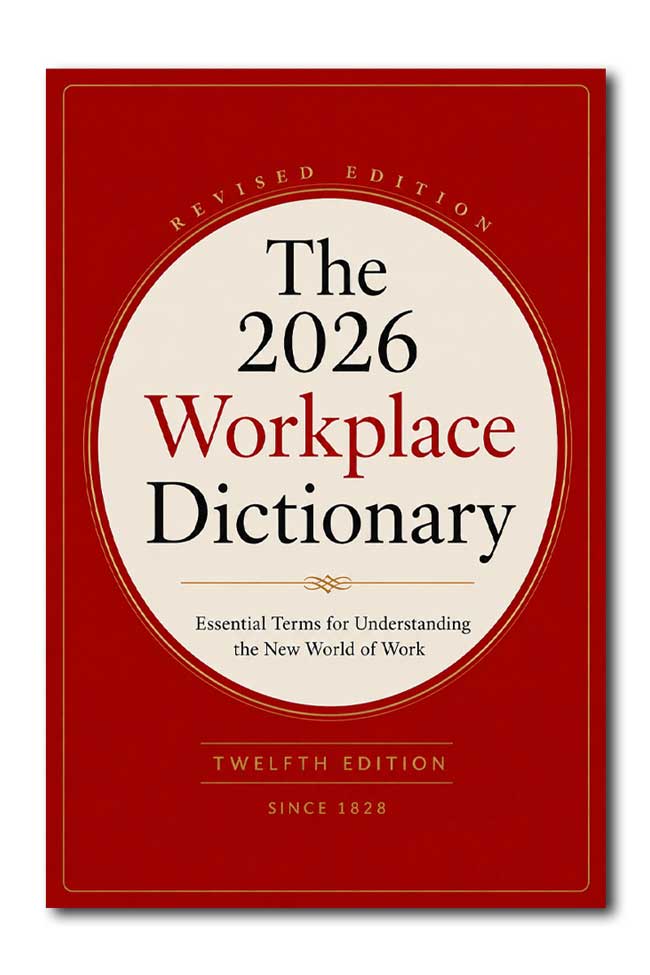
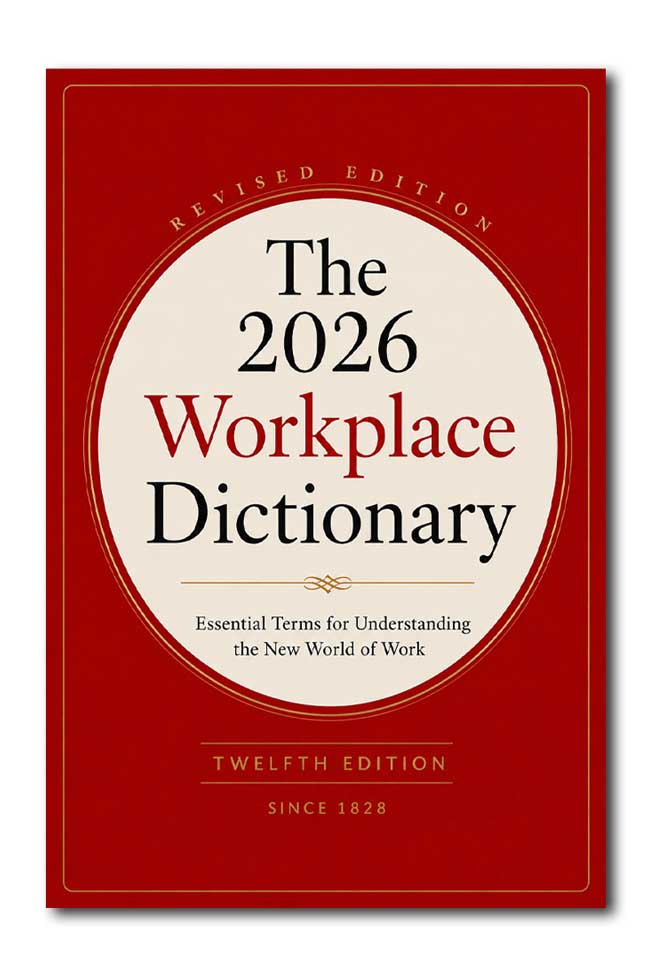
Ever find yourself scratching your head over the quirky new workplace lingo popping up like weeds? Well—hold onto your office chair—because the latest terms aren’t just buzzwords; they’re the signposts to a shattering truth: the old career blueprint we all learned (work hard, stay loyal, move up) has flat out crumbled . And honestly, it’s not just sad, it’s a bit startling. If you’ve felt that gnawing sensation of being stuck in a job that’s lost its sparkle, or noticed the growing list of odd phrases like “Job Hugging” or “Quiet Cracking,” you’re not alone . These aren’t just clever ways to name discomfort—they’re survival tactics in a world where the career ladder is missing rungs and AI is trimming what used to be a steady climb . There’s a difference between making do and moving beyond the drudgery, and these eight terms? They tell the story of coping, not conquering. So the real question we need to ask is: Are you ready to stop just surviving the system—and start taking control of your own career story instead? LEARN MORE
8 Terms That Show the Old Career Deal Is Gone
Each year, we pick up new workplace terms. Lately, these words seem to reflect a more difficult reality.
That is not an accident. Language fills gaps. When enough people live through something without a name, a name shows up. Lately the shared experience is hard to miss: the arrangement most of us were raised to believe in (work hard, stay loyal, move up) no longer holds.
The eight terms below capture what work feels like in 2026. Each is important to know. They all have something in common: they are ways to cope with the system, not ways to create something new. There’s a big difference between just getting by and choosing to move beyond the old deal.
- Job Hugging
Holding onto a job out of fear rather than loyalty. Workers who would have moved on two years ago are staying put. Hiring has slowed and switching feels dangerous. The Bureau of Labor Statistics reported a quits rate of 2.0 percent in June 2026, roughly 3.2 million voluntary departures, well below the 3.0 percent peak reached in late 2021 and early 2022. Fewer people are moving. Satisfaction is not the reason.
-
 Quiet Cracking
Burnout in slow motion. Not a dramatic collapse but a gradual dimming: output slips, attention drifts, and the person quietly wishes they were somewhere else. Gallup’s 2026 State of the Global Workplace report put employee engagement in the U.S. and Canada at 31 percent, the highest of any region in the world, meaning nearly seven in ten North American workers are not engaged. Globally, engagement fell to 20 percent, its lowest level since 2020.
- The Great Flattening
Entire layers of middle management are being removed, and automation is accelerating it. The supervisor role, once the reward for a decade of good work, is disappearing. Challenger, Gray & Christmas reported that artificial intelligence was cited in 21,490 of the 83,387 job cuts announced in April 2026 (26 percent of the total), and for the second consecutive month, AI led all stated reasons. The rungs people used to climb are being taken off the ladder.
- Ghost Jobs
Some job postings are for roles that companies don’t plan to fill. They keep these listings up to collect résumés, build a pool of candidates, or look like they’re growing. National data shows the same trend. In June 2026, there were 7.4 million job openings, but hiring and quitting rates stayed the same. Just because there are many listings doesn’t mean there are many real opportunities. This helps explain why so many applications get no response.
- Career Cushioning
 People are getting ready to leave their jobs even while they’re still working. They update their résumés, talk to recruiters, and keep their options open. This used to seem disloyal, but now it’s just smart planning. The latest BLS survey says the median time people stay at a job is 3.9 years, the lowest since 2002. When most people stay less than four years, planning your next move isn’t being negative—it’s just practical.
- Task Masking
This is sometimes called productivity theater: acting busy instead of actually getting work done. People send messages at certain times, fill up their calendars, and make sure they’re seen. Task masking happens when companies care more about activity than real results. It’s not about being lazy. It’s a reasonable way to respond when appearances matter most.
- Shift Shock
A few weeks into a new job, you might realize the work is nothing like what was described in the interview. The duties, culture, and hours are all different. This shift shock can turn an exciting start into another short job, adding to the trend of people not staying long.
- Revenge Quitting
This isn’t about quitting in anger, but about planning your exit. After being passed over for a promotion, dealing with broken promises, or facing sudden changes, some employees wait, get ready, and leave when it causes the most disruption. This is what can happen if all the other problems on this list build up over time.
What the List Actually Describes
Read the eight together, and a pattern appears. They are all coping mechanisms: ways of managing conditions the individual did not set and cannot change. Not one of them points anywhere.
That’s the real story here. The words we use about work now are all about getting through tough times.
Every term on this list is about how to survive in the current system. None of them explain how to break free from it.
Why Leaving Feels Impossible
 A financial reality underlies all of this. Bankrate’s 2026 Emergency Savings Report found that fewer than half of you say you have enough savings or accessible funds to cover a $1,000 emergency expense. When margins are that thin, feeling stuck is not a mindset problem. It is a math problem.
That’s why it’s important to make this decision early and with care, not in a rush after losing a job. The best time to look at other options is when you still have a steady income, choices, and the space to think things through.
The Alternative Is Ownership
Many people are already heading in this direction. The U.S. Census Bureau reported 578,926 new business applications in July 2026, which is an 8.1 percent increase from June.
The instinct is widely shared. In the TES Generational Career Confidence Survey, 83 percent of Americans said business ownership is a viable alternative to a traditional career. Seventy percent said it offers more opportunity, stability, and financial growth than a traditional job. Eighty percent of employees said it gives them more control over their career. And 61 percent said ownership is the best protection against AI making a career obsolete, which is a direct answer to the pressure described in The Great Flattening.
These are people’s opinions, not proven results. Still, they show where people are now finding their confidence.
The Method Matters More Than the Impulse
 Wanting to leave your job isn’t the same as having a real plan. The real risk isn’t in wanting change, but in how you make that change.
It’s easy to see the problem, but making the right choice is tough.
That is the work a Career Ownership Coach® does and at no cost to the person being coached.
The process begins with you, not with a business. It starts with clarity on your Income & Lifestyle goals: what you need to earn, how you want to live, what you are building toward, and how much risk you can genuinely carry. Only then does exploration begin, including categories of business ownership most people have never encountered because most of us only know the businesses we walk past.
This is about discovery, not sales. Some people finish the process and choose business ownership. Others decide to stay in their current jobs, but with much more clarity than before. Both choices are valid. The goal is to make an informed decision, not just go with the flow.
That shift from waiting on someone else’s decisions to making your own is what The Entrepreneur’s Source® calls Employment to Empowerment™.
A Different Set of Words
This list of workplace terms will keep getting longer. Next year will bring new words for the same problems, because the problems haven’t changed.
But you don’t have to use this vocabulary. People who choose ownership don’t need words for coping anymore, because they’re no longer waiting to find out what someone else has decided about their future.
Exploring this alternative only takes a conversation. It begins with a simple, honest question: is business ownership really right for me?
Connect with a Career Ownership Coach®:
Take the Career Threats Assessment and see where you stand:
Explore at your own pace in the Career 2.0 Gateway:
 About Your Career Revolution
Our mission is to help individuals explore self-sufficiency as an alternative career.
We help them define their Income, Lifestyle, Wealth, and Equity goals and provide education on the best ways to achieve them. We don’t sell franchises – we help people achieve their dreams of self-sufficiency through business ownership. The approach is different, the experience is different. And it works.
Order on AMAZON
Learn More About Career Ownership Coaching™

Lance Assorted Sandwich Crackers, 20 Count Variety Pack
$8.42 (as of August 24, 2026 03:07 GMT +00:00 - More infoProduct prices and availability are accurate as of the date/time indicated and are subject to change. Any price and availability information displayed on [relevant Amazon Site(s), as applicable] at the time of purchase will apply to the purchase of this product.)
Lavazza Super Crema Whole Bean Coffee, Medium Espresso Roast, Arabica and Robusta Blend, 2.2 lb Bag, Package May Vary (Pack of 1)
$26.99 (as of August 24, 2026 02:56 GMT +00:00 - More infoProduct prices and availability are accurate as of the date/time indicated and are subject to change. Any price and availability information displayed on [relevant Amazon Site(s), as applicable] at the time of purchase will apply to the purchase of this product.)
Purina Tidy Cats Performance Plus Power Clump Unscented Multi Cat Clumping Cat Litter, 22 lb. Box
$16.99 (as of August 24, 2026 03:02 GMT +00:00 - More infoProduct prices and availability are accurate as of the date/time indicated and are subject to change. Any price and availability information displayed on [relevant Amazon Site(s), as applicable] at the time of purchase will apply to the purchase of this product.)
CdFXor Anti Barking Device for Dogs, Automatic Bark Box Ultrasonic Dog Bark Deterrent Device for Dog Training, Rechargble Portable Bark No More Devices with 50FT Range, Waterproof for Outdoor & Indoor
$35.99 (as of August 24, 2026 03:02 GMT +00:00 - More infoProduct prices and availability are accurate as of the date/time indicated and are subject to change. Any price and availability information displayed on [relevant Amazon Site(s), as applicable] at the time of purchase will apply to the purchase of this product.)













Post Comment