The Hidden Vehicle Insurance Trap That’s Quietly Crushing Small Businesses—Are You Next?
Have you ever thought your trusty personal car insurance had your back when that side hustle suddenly turned into a full-fledged business on wheels? Most small business owners don’t—until it’s too late. Picture this: you start with a few errands here and there, then land a juicy client, hire your first helper, maybe buy that van you’ve been eyeing for deliveries. But somewhere along the way, your personal auto policy quietly throws up its hands and says, “Not my problem.” No warning, no second chances—just the harsh reality of a denied claim right after an accident. It’s a blind spot that trips up more entrepreneurs than you’d think, and trust me, it’s one gap you want to catch well before it costs you big time. Because here’s the kicker—it sneaks up on you, little by little, mile by mile, until suddenly your insurance doesn’t match the business miles you’re racking up. Let’s unravel this hidden hazard and make sure you’re covered the right way, before your business journey hits an unexpected pothole. LEARN MORE
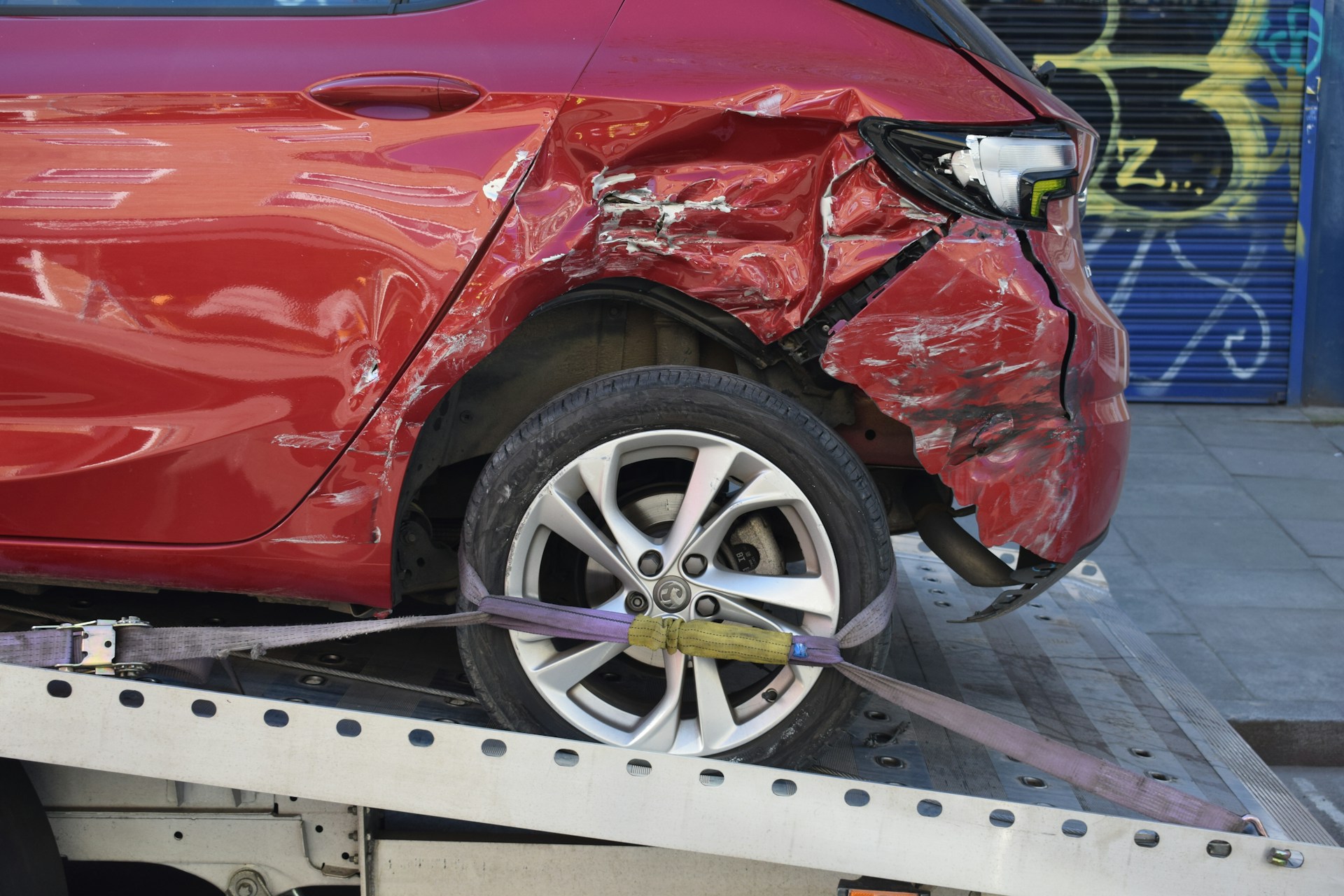
Most small business owners do not think about vehicle insurance until something goes wrong. You start out running errands in your own car. Then you land a bigger client, hire your first helper, or buy a van for deliveries. Somewhere in that growth, your personal auto policy quietly stops doing its job. Nobody sends a warning letter about this. You just find out the hard way, usually right after an accident, when a claim gets denied. This gap is more common than most owners realize, and it is worth understanding before it becomes a real problem.
The tricky part is that this shift rarely feels dramatic from the inside. There is no single moment where a business “officially” starts using a vehicle for work. It just happens, one delivery or one client visit at a time, until the coverage you have no longer matches the driving you actually do.
Why “Just My Regular Car Insurance” Runs Out of Road
A personal auto policy is built for personal driving. Grocery runs, school pickups, weekend trips. The moment you start using that same vehicle to haul tools, meet clients, or make deliveries, you have crossed into business use, whether you meant to or not. Insurers draw a hard line here. If an accident happens while you are working, a personal policy can refuse the claim entirely, leaving you to cover medical bills, repairs, and legal costs out of pocket.
This is exactly why commercial vehicle coverage exists as its own category. As Kemper insurance for business vehicles puts it, “Kemper Auto Commercial offers solutions customized to your business, whether you’re looking to protect a one-person operation or a small fleet. As your business grows, Kemper’s flexible and affordable protection scales to meet your needs.”
That detail matters because business vehicles rarely look alike. A landscaper’s truck, a caterer’s van, and a contractor’s pickup all carry different risks, and a policy built around personal driving simply was not designed to price for any of them. Getting proper coverage before you need it, rather than after a claim gets rejected, saves both money and stress.
Signs You Have Already Crossed the Line
A lot of owners assume this only applies to big fleets. That is not true. You likely need commercial auto coverage if any of the following sound familiar. You use your vehicle to transport goods, tools, or equipment for work. You have an employee who drives for the company, even occasionally. Your vehicle is registered under the business name. You carry signage, branding, or a company logo on the car. Even one of these can be enough to void a personal policy after an accident.
The tricky part is that many owners do not notice the shift because it happens gradually. One delivery run turns into a weekly routine. A single hire turns into a small crew sharing a truck. By the time the business feels like it needs “real” insurance, it has often needed it for months already.
Building Toward a Smarter Fleet, Not Just Bigger Coverage
Once you accept that business use changes your insurance needs, it is worth thinking further ahead. Growing companies often add a second or third vehicle within a year or two of their first. This is a good moment to think about what kind of fleet actually fits your business, not just what is cheapest today. Fuel costs, maintenance schedules, and total cost of ownership all matter here, and this is one reason more owners are looking at options like the electric vans and trucks covered in this breakdown of adding EVs to a business fleet, which walks through the real numbers behind switching. Whatever vehicles you choose, insurance costs and coverage needs shift with your fleet, so it helps to plan both at the same time instead of treating them as separate decisions.
Getting the Paperwork Right Before You Need It
Once you know commercial coverage applies to you, the next step is getting specific about what you are insuring and why. List every vehicle used for work, even occasional use vehicles. Note who drives each one, including part time staff. Keep receipts and mileage logs that show business versus personal use. Talk to an agent about hired and non-owned auto coverage if employees ever use their own cars for work errands, since that gap catches even careful owners off guard.
A well-known small business guide from the US Chamber of Commerce lays out this exact scenario in detail, describing how a single uninsured delivery run led one small restaurant owner into a lawsuit that personal coverage simply would not touch.
The Bottom Line
Vehicle insurance is one of those background costs that feels easy to postpone. But the businesses that get burned are rarely the ones that planned ahead. They are the ones that assumed their personal policy would stretch to cover a delivery run, a client visit, or a quick trip with a company logo on the door.
Take an honest look at how your vehicles are actually being used today. If work has crept into the picture, even a little, it is worth a short call to an agent before it becomes a much longer and more expensive conversation. A quick coverage check now is a small task. Cleaning up after a denied claim is not. Treat the review as routine, and you will rarely be caught off guard by a driving related loss.
<!–
–>
Soundcore by Anker Q20i Hybrid Active Noise Cancelling Headphones, Black | Over-Ear, Bluetooth, 40H ANC Playtime, Hi-Res Audio, Big Bass, Transparency Mode, Customize via App, Travel, Home, Office
$44.99 (as of August 24, 2026 03:21 GMT +00:00 - More infoProduct prices and availability are accurate as of the date/time indicated and are subject to change. Any price and availability information displayed on [relevant Amazon Site(s), as applicable] at the time of purchase will apply to the purchase of this product.)
Samsung 65-Inch Class U8000H Series Crystal UHD, 4K, Smart TV, 2026 Model | Samsung Vision AI Companion, Crystal Processor 4K, Endless Free Content, Motion Xcelerator, Color Booster, 4K Upscaling
$379.99 (as of August 24, 2026 03:09 GMT +00:00 - More infoProduct prices and availability are accurate as of the date/time indicated and are subject to change. Any price and availability information displayed on [relevant Amazon Site(s), as applicable] at the time of purchase will apply to the purchase of this product.)
Pringles Potato Crisps Chips, Lunch Snacks, Snack Cups, Variety Pack, 19.5oz Box (27 Cups)
$13.98 (as of August 24, 2026 03:07 GMT +00:00 - More infoProduct prices and availability are accurate as of the date/time indicated and are subject to change. Any price and availability information displayed on [relevant Amazon Site(s), as applicable] at the time of purchase will apply to the purchase of this product.)
Coca-Cola Zero Sugar Soda Soft Drink Fridge Pack Cans, 12 fl oz, 12 Pack | Carbonated cola soda pop with zero calories
$8.57 (as of August 24, 2026 02:56 GMT +00:00 - More infoProduct prices and availability are accurate as of the date/time indicated and are subject to change. Any price and availability information displayed on [relevant Amazon Site(s), as applicable] at the time of purchase will apply to the purchase of this product.)












Post Comment