Why Did Bitcoin Nearly Disappear Overnight in El Salvador? The Shocking Fallout No One Saw Coming!
El Salvador made headlines by becoming the first country to adopt Bitcoin as legal tender — a bold bet aiming to turbocharge economic growth and reel in international investors. At first, it looked promising: over half of the surveyed citizens downloaded the government’s Bitcoin wallet, with more than a third dabbling in monthly Bitcoin use. Businesses joined the fray too, with 14% engaging in Bitcoin transactions and 2% of remittance payments flowing through BTC. But here’s the kicker — despite this initial buzz, Bitcoin’s everyday role in El Salvador’s economy has nearly vanished. So, what caused the sharp decline in Bitcoin usage in a country that once placed such ambitious trust in it? From shifting public sentiment to policy pressures and the IMF’s corner moves, the story is a wild ride through the evolving relationship between a nation and a digital currency. Curious how this experiment morphed from hopeful adoption to cautious holding? Let’s get into it. LEARN MORE.
El Salvador became the first country to adopt Bitcoin as legal tender.
The government hoped adoption would support economic development and attract international investors.
Some citizens initially welcomed the move. A Central American University survey showed that 56% of respondents downloaded the government wallet.
The survey also found that 36% used Bitcoin at least once monthly.
Meanwhile, 14% of businesses conducted Bitcoin-related transactions. Bitcoin accounted for 2% of remittance payments. Since then, Bitcoin usage among businesses and citizens has declined sharply.
Why has Bitcoin usage fallen in El Salvador?
Bitcoin usage in El Salvador has nearly disappeared, according to recent reports. Bitcoin Core contributor Jon Attack said major restaurants accepting BTC had gone more than a month without payments.
Attack also said his payment was the only transaction received by Bitcoin Beach during August.
On top of that, Bit Faced reported that Bitcoin usage had fallen more than 99.8% since its legal-tender adoption. The decline reflected a broader shift in how Salvadorans viewed Bitcoin.
Reports attributed the drop to changing sentiment.
Investors increasingly viewed Bitcoin as a long-term holding. Many Salvadorans therefore returned to card payments. Those holding Bitcoin preferred to wait for future gains rather than spend it daily.
That HODL mindset reduced merchant payment activity. Government policy changes added further pressure.
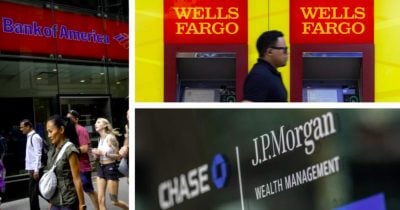
The IMF pushed El Salvador to remove mandatory Bitcoin acceptance for merchants. The change formed part of a $1.4 billion loan agreement.
El Salvador also agreed to reduce its Bitcoin purchases. These changes weakened support among Bitcoin skeptics. Meanwhile, supporters increasingly treated BTC as a holding rather than a payment method.
Is El Salvador still buying Bitcoin?
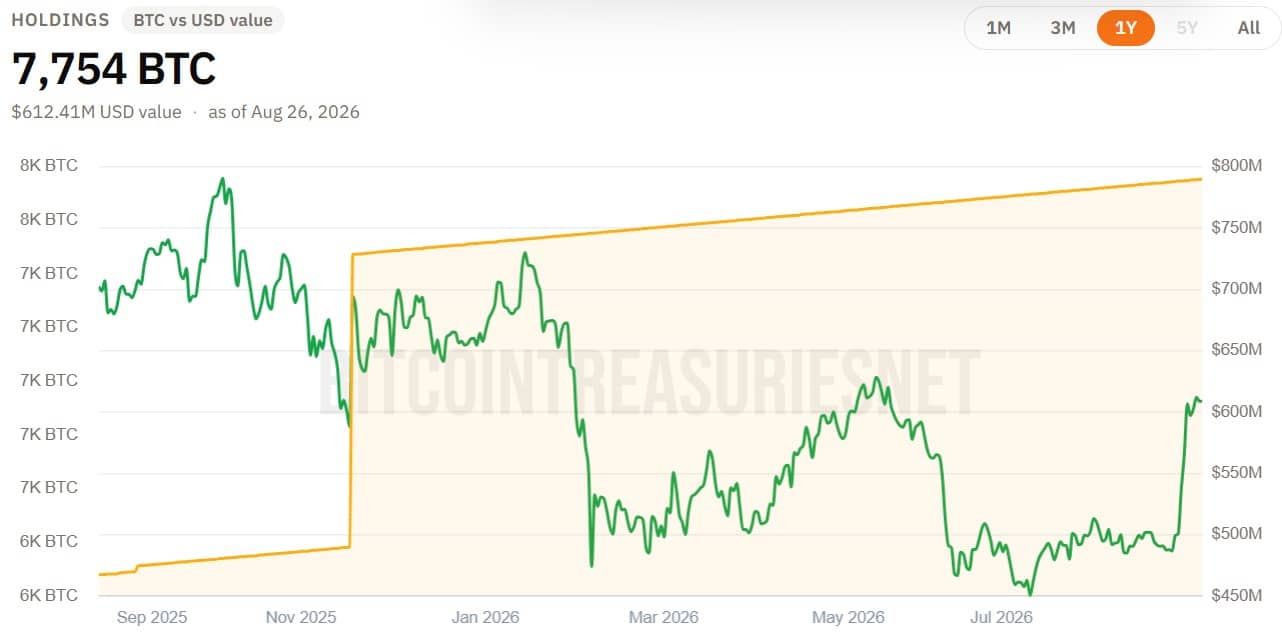
El Salvador continued accumulating Bitcoin despite declining usage and IMF restrictions. Since passing its Bitcoin law in 2021, the country has purchased 7,754 BTC worth approximately $608 million.
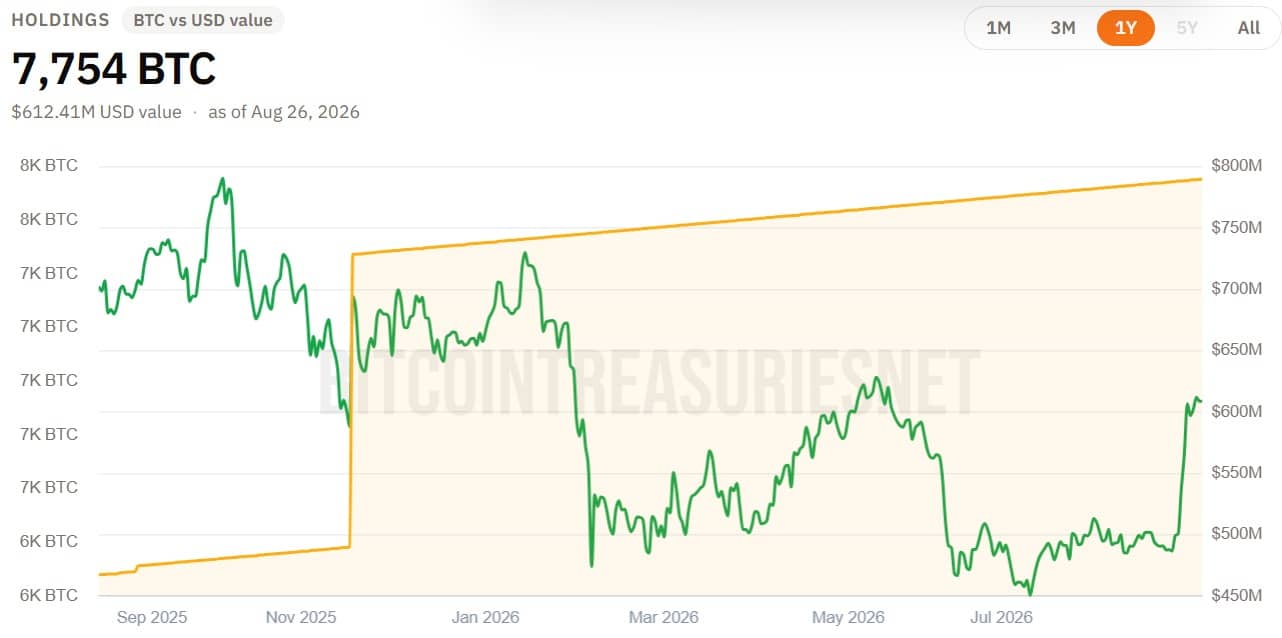
The government continued holding BTC as a long-term treasury asset. That suggested Bitcoin’s role in El Salvador had shifted from everyday payments toward reserve holdings.
The country’s experience also reflected Bitcoin’s broader market evolution.
Bitcoin was increasingly viewed as a long-term store of value rather than merely a payment method.
Final Summary
- El Salvador adopted Bitcoin as legal tender in 2021. Bitcoin usage reportedly declined by more than 99.8%.
- Only 14% of businesses initially conducted Bitcoin-related transactions.
Cheez-It Cheese Crackers, Baked Snack Crackers, Lunch Snacks, Original (40 Packs)
$19.92 (as of August 26, 2026 03:08 GMT +00:00 - More infoProduct prices and availability are accurate as of the date/time indicated and are subject to change. Any price and availability information displayed on [relevant Amazon Site(s), as applicable] at the time of purchase will apply to the purchase of this product.)
Hint Flavored Water Zero Sugar 0 Calories - Best Sellers Variety (12 pack) | Crisp, refreshing water, fruit flavors. 0 calories, 0 sugar, 0 sweeteners. Hydration for wellness. Gluten-free, Kosher, Vegan
$11.46 (as of August 26, 2026 02:56 GMT +00:00 - More infoProduct prices and availability are accurate as of the date/time indicated and are subject to change. Any price and availability information displayed on [relevant Amazon Site(s), as applicable] at the time of purchase will apply to the purchase of this product.)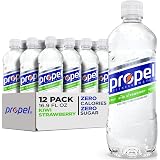
Propel, Kiwi Strawberry, Zero Calorie Sports Drinking Water with Electrolytes and Vitamins C&E, 16.9 Fl Oz (12 Count)
$9.97 (as of August 26, 2026 02:56 GMT +00:00 - More infoProduct prices and availability are accurate as of the date/time indicated and are subject to change. Any price and availability information displayed on [relevant Amazon Site(s), as applicable] at the time of purchase will apply to the purchase of this product.)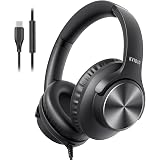
USB C Wired Headphones with Mic, Volume Control, Over-Ear for School, Black | Foldable Plug in Headphones with Volume Control for Teens Classroom Travel, 4.9ft Tangle-Free Cord for Phone Tablet Laptop PC
$13.99 (as of August 26, 2026 03:10 GMT +00:00 - More infoProduct prices and availability are accurate as of the date/time indicated and are subject to change. Any price and availability information displayed on [relevant Amazon Site(s), as applicable] at the time of purchase will apply to the purchase of this product.)











Post Comment