How Daisy Chain Fields Is Revolutionizing Wellness Through More Than Just Music — Prepare to Be Inspired!
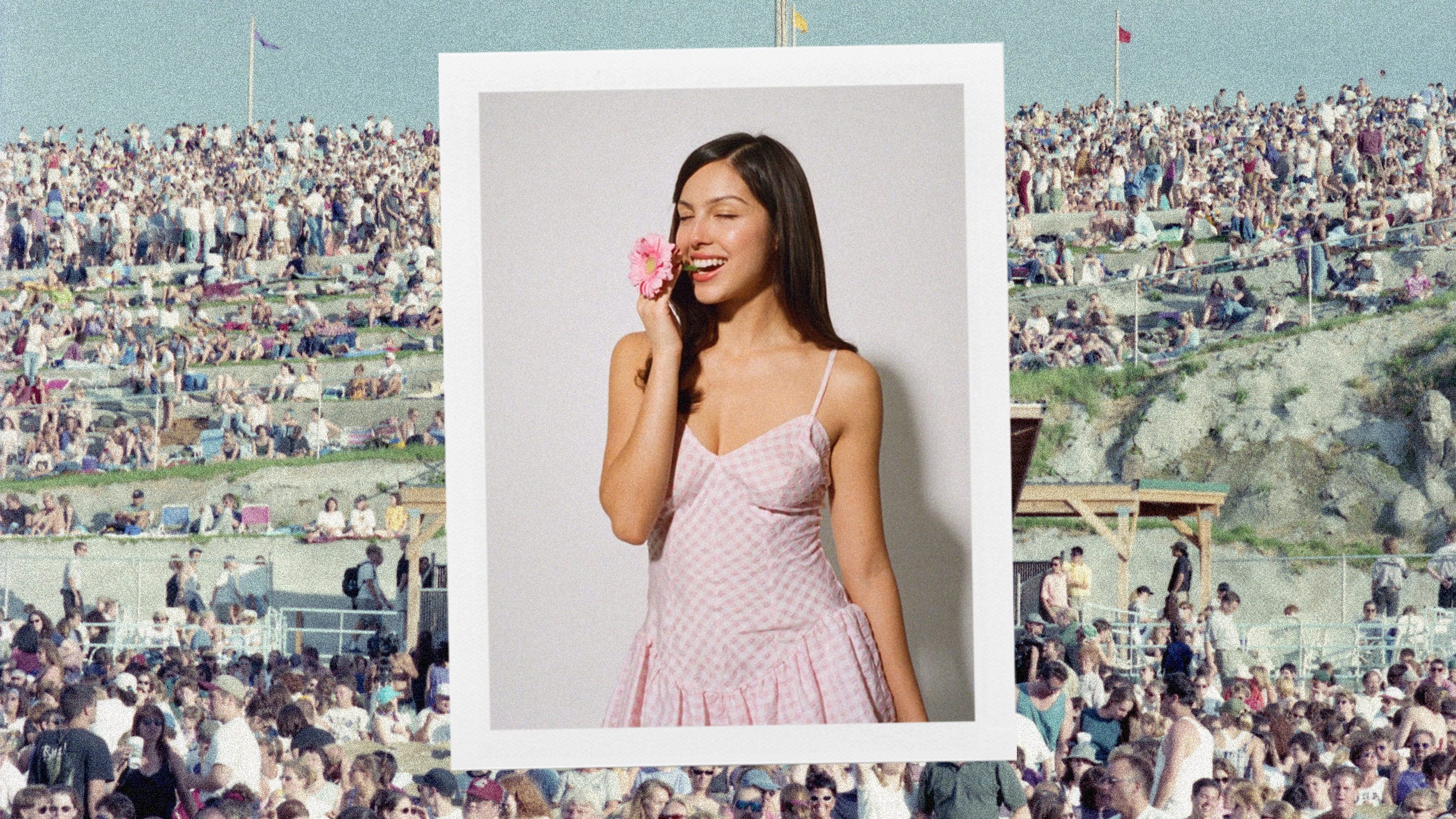
Ever wonder what happens when a chart-topping pop sensation swaps the mic for a megaphone and decides to shake up the music world while championing causes close to her heart? Olivia Rodrigo isn’t just smashing Billboard records — she’s weaving a powerful tapestry of activism, artistry, and unity that’s hard to ignore. At just 23, she’s leveraged her unstoppable momentum into launching Daisy Chain Fields, a groundbreaking music festival where legendary voices and fresh talent collide to raise millions for women’s rights and grassroots change. It’s a wild, emotional, and altogether freeing space where music becomes more than just entertainment; it’s a call to action. Curious how a festival inspired by the ‘90s Lilith Fair is reinventing the modern music landscape and feminist movement for today? You’re in for a ride.
 6 min read
Olivia Rodrigo has smashed Billboard chart records and collaborated with all-time musical greats. But her accolades weren’t what came to mind when she reflected on her career at a Planned Parenthood gala last year. “Perhaps the greatest privilege this career has given me is connection with women through my music,” she said in her acceptance speech for the Catalyst of Change Award. “To be in a space where we can all feel safe to be wild, emotional, and carefree is incredibly powerful.”
That same sentiment is what inspired the 23-year-old pop phenom to launch her philanthropic initiative Fund 4 Good in 2023, raising $2 million for reproductive rights and other women’s causes through her Guts tour. “We live in a world that politicizes our bodies and uses harmful ideologies to deny us safety and healthcare,” Rodrigo continued in her speech. “It breaks my heart to think that because of oppressive laws and outdated policies, some of those girls [at my shows] may not be able to follow their dreams like I’ve been able to follow mine.”
Now, Rodrigo is getting ready to expand her advocacy with Daisy Chain Fields, her new music festival aimed at uniting outspoken women in music, mobilizing fans to get politically active, and raising money for nonprofits she believes in. The first edition, taking place August 29 at Great Park in Irvine, California, features an all-star, intergenerational lineup: Doechii, Chappell Roan, Katseye, Stevie Nicks, Bikini Kill, Sarah McLachlan, and Rodrigo herself, among others. None of the 17 artists will receive performance fees. Instead, net proceeds from the festival will get split among 10 nonprofit organizations, including Planned Parenthood, Center for Reproductive Rights, and other groups that advocate for women, girls, and gender-expansive people.

Lilith Fair 1998 finale with Sarah McLachlan, Indigo Girls, Erykah Badu, Natalie Merchant, and others at Shoreline Amphitheater in Mountain View California on June 24th, 1998
Named after the daisy chains and flower crowns that girls often make—a metaphor for how people are stronger together, Rodrigo has said—Daisy Chain Fields takes inspiration from Lilith Fair. In 1997, McLachlan leveraged her celebrity to produce a music festival that challenged sexist stereotypes with its all-female lineup, and raised millions of dollars for women’s causes during its three-year run. Though some critics were quick to dismiss Lilith Fair as a bunch of “mom rock,” it became the top-selling music festival of the late ’90s. In fact, its impact was so massive that when Rodrigo—who wasn’t yet born during its historic run—decided to put on a festival, McLachlan was the first person she called.
From there, the Daisy Chain Fields lineup came together as a feminist coalition of sorts, including chart-toppers, underground legends, and emerging artists—all of whom have used their platforms to speak truth to power. In a 2020 interview with The Guardian, for instance, Stevie Nicks broke stigmas around abortion when she revealed that her generational success with Fleetwood Mac may not have been possible had she not been able to terminate an unwanted pregnancy in the late ’70s. And Bikini Kill frontwoman Kathleen Hanna began volunteering to support victims of gender-based violence back when she was still discovering her voice as an artist: A formative influence in the punk-feminist Riot Grrrl movement, Hanna recalls playing Rock for Choice benefits organized by fellow rockers L7 in the ’90s.
When I reach her by video call, Hanna praises Rodrigo for taking on the challenging work of organizing. “I just think that speaks volumes as to what kind of person she is, and what kind of team that she has around her, and what kinds of friends she has who are supporting that,” she says. “Because it’s not easy. Anybody can watch the Lilith Fair documentary and feel inspired, but it takes a special person—who obviously does have the backing—to be like, ‘I’m not just inspired, I’m gonna take action.’”

Bikini Kill during Rock for Choice 1993 at The Palladium in Hollywood
Beyond raising money, the festival is designed to connect fans with the causes it supports—all in a fun, joyful setting. Each organization will have a booth at the festival, where attendees can get connected to resources, learn about social issues, and join campaigns. “With so much going on in the news these days, many people are understandably checked out,” Center for Reproductive Rights President Nancy Northup shares over email. “Olivia is giving us a chance to meet young people where they’re at, and with a positive message.”
Daisy Chain Fields won’t be Rodrigo’s first time collaborating with the Center for Reproductive Rights. In a series of Instagram Reels, she recently sat down with Northup and other experts to discuss the effects of abortion bans across the United States, highlighting life-threatening cases where women were denied medical care during pregnancy complications. “Abortion is often portrayed as a polarizing issue, but the reality is that most Americans support abortion access, and one in four women will have one in their lifetime,” Northup says. “We’re incredibly grateful that Olivia is bringing people together under this shared vision and reminding the world that we all want the same thing—the freedom to design our own future.”
Several organizations benefiting from the festival are focused on the well-being of mothers and birthing people. That includes the Black Mamas Matter Alliance (BMMA), which addresses the alarming maternal mortality rates among Black women—whose symptoms often go dismissed because of medical racism—by bringing together researchers, doctors, midwives, doulas, and parents to push for better public-health policies.
“This isn’t some kind of maternity care crisis that can’t be resolved,” says BMMA Executive Director Angela D. Aina, noting how anti-abortion laws and funding cuts have prompted women’s health clinics to close around the country. In states with heavy restrictions, some women have faced criminal charges after suffering miscarriages. “What we need is the political will” to address these issues, she adds.
The National Domestic Workers Alliance, another nonprofit partner, is focused on labor protections for nannies, in-home aides, and cleaners who often work for low pay, without sick days or other benefits. The organization recently waged a successful five-year legislative campaign in Washington, now the 13th state to pass a bill of rights for domestic workers. Domestic work is thought of as “women’s work,” Executive Director Ai-Jen Poo says. “And for that reason, it has also been devalued.”
The organization frequently hears from young women who are either the daughters of domestic workers or are ones themselves. At the festival, its booth will offer a space for people to share their stories as part of a campaign called One Million Care Conversations. “A space for joy, a space for stories, and the space to be visible and connected to other women is exactly what we need right now,” Poo says.
Daisy Chain Fields also seems to have an eye on inclusivity behind the scenes. Though its artists aren’t taking performance fees, Hanna says the festival is covering travel expenses so they’re not paying out-of-pocket to play. This helps ensure that less mainstream acts can afford to show up alongside the pop A-listers who can easily afford it. Hanna hopes this approach will inspire a ripple effect in the music industry, so that everyone can have a voice at high-profile benefit concerts. “I wanna hear from kids who grew up with nothing,” she says. “I wanna hear from kids who grew up being told by society, ‘Your voice doesn’t matter.’”
As fans get ready for the festival, the Daisy Chain Fields social media accounts have been promoting good deeds as much as having a good time, raffling free festival tickets to fans who show up to organized volunteer drives in L.A., and asking followers to share charitable work they’re doing in their communities using the hashtag #DaisyChainReaction. It all goes back to Rodrigo’s vision for channeling her fandom into a movement for progressive causes, undergirded by the idea that we’re stronger when linked together.
“I think there’s this rhetoric that girls are supposed to be competing with each other for the top spot, or there’s only this many resources for everyone,” she said in a recent interview with Good Morning America. When tens of thousands of music lovers arrive in Irvine for Daisy Chain Fields this weekend, she wants to remind them: “We’re all way stronger when we come together and support one another.”

GeniKiss Nano Blue Light Deodorizer Spray Refill Pet & Home Odor Eliminator | Bio-Enzyme Odor Control, For Dog & Cat Urine, Litter Box, Carpets, Trash Bins & Car Interiors, Safe for People & Pets
$32.99 (as of August 26, 2026 03:03 GMT +00:00 - More infoProduct prices and availability are accurate as of the date/time indicated and are subject to change. Any price and availability information displayed on [relevant Amazon Site(s), as applicable] at the time of purchase will apply to the purchase of this product.)
Unique Style Paws Dog Collar With Metal Buckle - Red Rose Flower Gift for Small, Medium, Large Boys Girls Dogs - Durable and Cute
$8.99 (as of August 26, 2026 03:03 GMT +00:00 - More infoProduct prices and availability are accurate as of the date/time indicated and are subject to change. Any price and availability information displayed on [relevant Amazon Site(s), as applicable] at the time of purchase will apply to the purchase of this product.)
50 Count 30” x 36” Super Absorbency Disposable Underpads | Leakproof Quick Drying, Baby Puppy & Adults Bed Pads Disposable Adults, Dog Pee Pads Extra Large, XXL Incontinence Pads
$29.99 (as of August 26, 2026 03:03 GMT +00:00 - More infoProduct prices and availability are accurate as of the date/time indicated and are subject to change. Any price and availability information displayed on [relevant Amazon Site(s), as applicable] at the time of purchase will apply to the purchase of this product.)
Comfort Expression Waterproof Orthopedic Dog Bed for Extra Large Dogs | Supportive Egg Crate Foam XL Pet Bed with Removable Bolster, Dog Couch with Washable Cover & Non-Slip Bottom, 42x30 Inch
$38.99 (as of August 26, 2026 03:03 GMT +00:00 - More infoProduct prices and availability are accurate as of the date/time indicated and are subject to change. Any price and availability information displayed on [relevant Amazon Site(s), as applicable] at the time of purchase will apply to the purchase of this product.)











Post Comment