Why the SEC’s Sudden Silence on Shareholder Proposals Could Rock Your Investment Game—What the Wall Street Titans Aren’t Telling You

Ever wonder what happens when the official whistleblower in the corporate ballgame suddenly takes a prolonged coffee break? Well, that’s exactly the curveball the SEC just threw—and it’s got the market buzzing. Up until recently, the SEC’s Division of Corporation Finance played the crucial role of referee, reviewing “no-action” requests tied to shareholder proposals with a pretty firm whistle in hand. But as of August 14, they’ve decided to hang that whistle up indefinitely, stepping away entirely from responding to Rule 14a-8 no-action requests. Imagine trying to play a game where the referee just won’t call the plays anymore—sounds chaotic, right? This move, framed as a strategic refocus on other priorities, leaves companies and investors alike navigating murkier waters without the SEC’s usual thumbs-up or thumbs-down guidance. So how will this shake out in the long run? Will shareholders face a free-for-all, or will smarter strategies rise to fill the void? Companies now shoulder the heavy lifting of exclusion analyses without the SEC’s safety net, and with legal skirmishes already piling up, it’s clear this game has just entered a whole new season. Strap in—it’s about to get interesting. LEARN MORE

The SEC is taking the term “no action” more literally than it ever has before. The agency took its first step away from the no-action process last November, when the Division of Corporation Finance said it would stop weighing in on most company requests to exclude shareholder proposals for the 2025-2026 proxy season. On August 14, the Division went the rest of the way.
Effective immediately, and with no sunset date, the staff will no longer respond to Rule 14a-8 no-action requests of any kind, including requests under Rule 14a-8(i)(1) involving proposals that are improper under state law. The Division also dropped the workaround that survived November’s pullback. Companies could previously include an unqualified representation in a Rule 14a-8(j) notice that they had a reasonable basis for exclusion, and the staff would respond with a letter saying it would not object. Those “no objection” letters are gone too.
The Division framed the move as a resource decision, saying it needs to focus staff time on reviewing Securities Act and Exchange Act filings, and pointing to the substantial body of guidance already available to companies and proponents.
Whether any of this changes how frequently companies exclude proposals is an open question. The partial withdrawal last season did not produce a wave of omitted proposals. A count by Freshfields, reported by Reuters, found that 66% of known proposals made it onto proxies as of June 15, compared with 59% a year earlier.
The change has drawn criticism from both companies and investor advocates. In July remarks to the Society for Corporate Governance, Chairman Paul Atkins urged companies to make greater use of available exclusion mechanisms, warning that if they “remain lackadaisical” about using them, he did not know what more the SEC could do on their behalf. Investor advocates have the reverse complaint, saying they often have to sue to get a proposal onto the ballot.
Shareholders who disagree with an exclusion now have fewer ways to resolve the dispute before a proxy is filed, which pushes more of these fights into court. Marc Lindsay of Jasper Street Partners told Reuters that six federal lawsuits followed the SEC’s temporary withdrawal last season, and five of them ended favorably for proponents.
Importantly, the SEC’s withdrawal from the no-action process does not change Rule 14a-8 itself. Companies must still submit a Rule 14a-8(j) notice to the SEC no later than 80 calendar days before filing a definitive proxy statement, share it with the proponent, and explain their reasoning. A&O Shearman points out that prior staff responses retain precedential value, so the exclusion analysis companies were doing before is the analysis they should still be doing, just without anyone in Washington checking the work.
None of this is likely the last word. A Rule 14a-8 rulemaking remains on the SEC’s regulatory agenda, and more fundamental changes to the shareholder proposal framework are widely expected.
For decades, shareholders leaned on Rule 14a-8 as a relatively inexpensive way to engage companies, rather than turning to more direct mechanisms like “vote no” campaigns, advance notice proposals, or binding bylaw proposals. With SEC staff no longer providing routine review of exclusion decisions, some proponents may increasingly consider those alternatives or turn to the courts when disputes arise.
For companies, the practical takeaway is that less SEC involvement does not mean less work—or necessarily less risk. Rule 14a-8 itself remains in place, and companies will still need to conduct and document careful exclusion analyses using existing rules, prior staff guidance and emerging court decisions. The difference is that issuers will increasingly bear the responsibility for those judgements themselves, making consistent internal processes, legal review, peer benchmarking, and preparation for potential litigation more important heading into the 2027 proxy season.
In short, remove the referee, and some might look at the tougher options.
—
Want faster, smarter insights into SEC filings and disclosures? Request a free trial of Intelligize+ AI™ and see what you’ve been missing.
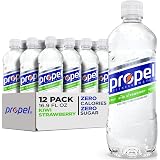
Propel, Kiwi Strawberry, Zero Calorie Sports Drinking Water with Electrolytes and Vitamins C&E, 16.9 Fl Oz (12 Count)
$9.97 (as of August 26, 2026 02:56 GMT +00:00 - More infoProduct prices and availability are accurate as of the date/time indicated and are subject to change. Any price and availability information displayed on [relevant Amazon Site(s), as applicable] at the time of purchase will apply to the purchase of this product.)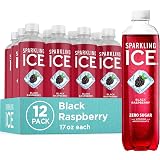
Sparkling Ice, Black Raspberry Sparkling Water, Zero Sugar Flavored Water, with Vitamins and Antioxidants, Low Calorie Beverage, 17 fl oz Bottles (Pack of 12)
$12.47 (as of August 26, 2026 02:56 GMT +00:00 - More infoProduct prices and availability are accurate as of the date/time indicated and are subject to change. Any price and availability information displayed on [relevant Amazon Site(s), as applicable] at the time of purchase will apply to the purchase of this product.)
Beats Solo 4 - Wireless On-Ear Bluetooth Headphones, Up to 50-Hour Battery Life, Ultra-Lightweight Comfort, Powerful and Balanced Sound, Apple & Android Compatible - Amazon Exclusive Metallic Pink
$149.99 (as of August 26, 2026 03:21 GMT +00:00 - More infoProduct prices and availability are accurate as of the date/time indicated and are subject to change. Any price and availability information displayed on [relevant Amazon Site(s), as applicable] at the time of purchase will apply to the purchase of this product.)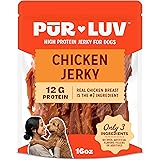
Pur Luv Chicken Jerky Dog Treats, Made with 100% Real Chicken Breast, 16 Ounces, Healthy, Easily Digestible, Long-Lasting, High Protein, Satisfies Dog's Urge to Chew
$14.09 (as of August 26, 2026 02:57 GMT +00:00 - More infoProduct prices and availability are accurate as of the date/time indicated and are subject to change. Any price and availability information displayed on [relevant Amazon Site(s), as applicable] at the time of purchase will apply to the purchase of this product.)










Post Comment