
How I Turned a Type 1 Diabetes Diagnosis at 35 into My Ultimate Fitness Comeback—And Why I’m Stronger Than Ever
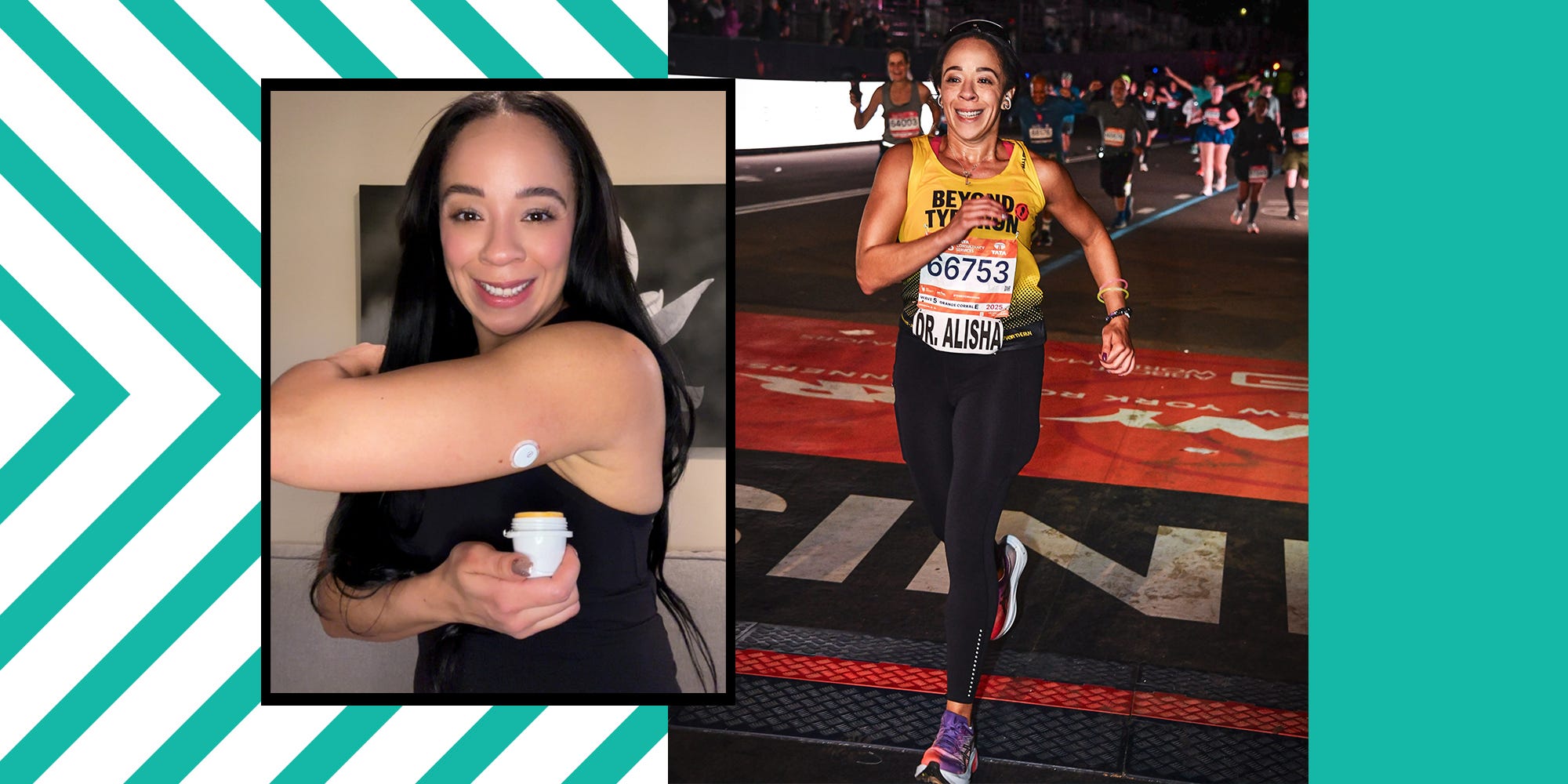
So there I was, 35 years old, feeling wiped out like I’d run a marathon every day without ever signing up for one. Little did I know, my body was sending me a secret SOS: type 1 diabetes. Funny thing? Most folks get diagnosed as teenagers—but nope, I landed in the 37 percent club diagnosed after 30. Imagine that curveball. From crushing Zumba classes without batting an eye to suddenly struggling through choreography my body once owned, it all started to make me wonder—what was really going on? It wasn’t just fatigue; it was a full-on identity shakeup. Yet, through the fog of shock and self-doubt came a powerful journey—one that redefined my limits and unleashed a runner I never knew I had. Curious how you bounce back stronger when your body—and life—throws the unexpected? Stick around. LEARN MORE
 10 min read
When I was 35 years old, I was diagnosed with type 1 diabetes (T1D)—and it was quite the shock. T1D is typically diagnosed in adolescence, but I became part of the 37 percent of patients who are diagnosed after 30, and it made me question everything.
Leading up to my diagnosis, I remember feeling really, really tired, but I attributed that fatigue to what was happening in my life at the time. It was during the pandemic and the last quarter of the year—a very busy period for most businesses, including mine. Working longer hours to wrap up projects and meet goals was normal, and so was feeling tired.
Prior to my diagnosis, I always bounced back over the holiday break spent with family and away from technology. This time I didn’t.
The biggest red flag for me came during a Zumba class that I had been to countless times. I knew the choreography like the back of my hand, but all of a sudden those moves felt unfamiliar. I knew what moves were coming next, but my body just would not do them. As each new song came on, I felt myself getting more and more sluggish, so much so that the instructor (who knew me well) even remarked on it.
Still, diabetes was not on my mind. I had no family history of it and all of my lab work and annual well visits were clear up to that point.
A conversation with my mom made me realize I should go to the doctor.
After telling her about my Zumba class, my mom mentioned that she thought I had been losing weight too, but, mentally, I brushed off the comment because my clothes still fit. Still, moms have a way of springing you into action, and mine convinced me to go to urgent care. “Just go,” she said. “If it’s nothing, then it’s nothing. But if it’s something, we need to know.”
So I went. The nurse practitioner on staff went through all of the tests, including one for pregnancy and COVID. They came back negative. She decided to do a finger stick—and we found out my blood sugar was 362 mg/dL. (For reference, normal blood sugar levels are around 140 mg/dL two hours after eating a meal, and 70 to 99 mg/dL fasted.) We were both shocked. I was in diabetic ketoacidosis, the fancy term when your body doesn’t have enough insulin to break down glucose so it resorts to using fat as fuel. It’s what leads to symptoms like extreme thirst, frequent urination, throwing up, and more serious complications associated with diabetes.
Mentally, I felt like I was having a full-on identity crisis.
My first diabetic episode weighed heavily on me. I wondered, What did I do to myself? How much red tape did I run through? But I didn’t know the signs (and my symptoms were not necessarily obvious), so I had to learn to give myself grace. At that time, though, my mind was spiraling. I kept thinking, How did I get here?
I blamed myself when I shouldn’t have. I was in the ICU recovering, I played back all the moments leading up to my diagnosis. I blamed myself for not checking in with my physician sooner to say, “Hey, this fatigue feels different this time.” I blamed myself for overlooking moments where I probably could have rested more instead of pushing through.
Since I was diagnosed in my 30s, it’s difficult to not look back and compare my life pre-diagnosis to my life now. All of a sudden, I was getting used to the finger sticks and going to quarterly doctor’s visits for blood work. Part of me still grieves the loss of the convenience of not having to manage those things. But doing them now is what has protected me and what is helping me still live a full life moving forward.
When I was diagnosed, I had a few doctors tell me, “You’re not going to be able to sustain your level of activity.”
I have always been an active person, and I credit my mom for indulging all of my curiosities when I was younger. Dance was my movement of choice—I did jazz, tap, and ballet competitively, and even tried out for professional teams—along with ice skating, lacrosse, and then fitness classes like Zumba and Pilates.
So, when doctors told me I wouldn’t be able to move the same way anymore, I was crushed—and I wasn’t satisfied. I already felt like I lost part of my identity with the diagnosis, and to hear that I might not be able to continue working out or doing activities at the level that I was used to was something that did not resonate with me. It didn’t make sense to me. I wanted a health care team that would consider all of me. I was in the process of finishing my doctorate and working full-time. That’s stressful. I needed an outlet, and fitness has always been mine.
As I began looking for a different provider, I also started to get into running.
Before T1D, I didn’t consider myself a runner. I knew that if I wanted, I could go and jog a mile or two, but let’s just say it wasn’t my first choice. It all happened by chance.
I needed to rebuild my body after the significant weight loss caused by my diabetes, so I headed to the gym. Before the diagnosis, I could pick up a 20-pound weight and not think anything of it. After my diagnosis, my body felt foreign to me. I did not have the same level of confidence with strength training at first, but I credit my community—my friends and family, the women I worked out with at the gym, and my personal trainer—for reminding me that I could do it.
It was one of my friends from the gym that invited me to join her for a 5K—my first race. That simple invitation, which was last spring, in March 2025, unlocked a whole new side of fitness for me.
I ran my first 5K soon after and crossing that finish line felt really good. Prior to that, I were told by several physicians that I would not be able to sustain my workouts. They believed insulin and a low-carb diet was the only way I would be able to manage my glucose levels. That was not true for me. (But remember: Everyone is different—and you should always work with your health care team to determine what’s right for you.)
My first endocrinologist prescribed more insulin than I needed and did not consider my physical activity. This resulted in me having dangerous lows after workouts. Then—finally—though it took about two years, I was able to get in with an endocrinologist who addressed my questions about exercise head-on. He decreased my insulin dosage based on my level of activity. The dangerous post-workout lows decreased, and I was running more and feeling better.
Plus, when I shared who I was running, he immediately connected me to a diabetes care and education specialist and dietitian. Both providers had significant experience working with other T1D patients that maintained very active lifestyles. Now, I had people who knew what I could accomplish even with my condition—and what it took to get me there safely.
When I finished my first 5K, I was like, “What else can I do?”
A friend cautioned me about the runner’s high. They said, “When you do it, you’re going to feel unstoppable.” I did have that feeling. When I shared that I ran my first 5K in an online T1D community, one of the people that facilitates that online forum responded, “Well, what else do you want to do?” My response: “I think I might train for a marathon.”
I went from my first 5K to my first marathon in just six months. I didn’t plan on running it so soon, but the commenter shared that Beyond Type 1, an organization that works to better the lives of those with diabetes, was about to open applications for its charity team for the New York City Marathon, one of the Abbott World Majors (a.k.a. one of the biggest and most prestigious marathons in the world), so I decided to submit my application.
I didn’t think I would get picked, but I did—and I needed to get training, ASAP. For my first marathon, I was running four to five days per week and strength training three to four times per week. Strength training is important for any runner, but was especially huge for me since I was still gaining back the weight that I lost. I did a lot of squats, but also loved hip thrusts and hamstring curls.
For run programming, I followed a mix of the training plans from Robin Arzón’s book Shut Up and Run (Arzón also has T1D) and Runna. My longest run? Twenty-two miles (also coincidentally where I hit the pain cave during the marathon). Long runs were a form of meditation for me. I’d have time to think, what do I want my life to look like now?
Running gave me the me-time I needed to process my diagnosis. Making it to 35 years of life and having health care professionals tell you you don’t know your body as well as you think you do is a lot. Now, I’ve reclaimed my body in a way I never thought I would.
All runners need to think about their carb intake, and that only gets more important when you have T1D.
During training, I met regularly with my endocrinologist and dietitian to discuss nutrition and meal prep. With the help of my continuous glucose monitor, we took a look at my glucose patterns, how many carbs I was eating, and how I was feeling after training. Then, we hatched a plan: During the marathon, I’d hydrate at every mile and consume 20 to 30 grams of carbs every hour, whether from gels, fruit snacks, glucose gummies, or Gatorade. It worked, though fatigue started to set in around mile 22—a point when many runners hit “the wall.” (For my upcoming marathons, I’ll increase my carb intake even more to avoid that.)
During training, I also started doing my runs later in the day to simulate my 11 a.m. start time to see how my body processed the carbs at that hour. My blood sugars are very different around lunch, so seeing how I responded to activity and what is normally a higher blood sugar time for me was really important to understand so when I got out on the course, I wasn’t surprised.
On occasion, I experienced low blood sugar during my runs, so my providers and I developed a plan for how to manage that if it happened during the marathon. This meant carrying extra snacks and my emergency glucose pen. Plus, knowing that I would have friends and family at various miles during the race also made me feel safer.
Next, I’m running the Sydney Marathon—another Abbott World Major.
And, I’m doing so with Team Abbott. It’s a full-circle moment because the continuous glucose monitor I wear (the FreeStyle Libre 3 Plus) is made by Abbott. To be able to run with the company that has provided a tool that has helped me train (and live!) and just better understand how my body responds to exercise, medication, and food, is pretty surreal.
Tech has been a big part of my diabetes journey. At first, I wanted to avoid it. I didn’t want a visible sign to others that I had diabetes strapped to my arm, and I didn’t want to field questions about my condition either. But, with the help of the T1D community, I learned that I can still live life on my terms, and I can choose the technology that makes sense for me.
Sydney is not the only marathon on my race calendar. After Sydney, I’ll be going for a PR in Chicago (and fundraising for Black Girls Run), and then back to New York (once again with Beyond Type 1), for a total of three marathons this year—and over $13,000 raised for charity.
So much has changed since my diagnosis. I feel so much stronger, and I’m seeing improvements as a runner. According to Strava and Runna, I’m on track to beat my marathon time by 30 minutes. But my form and my confidence have both dramatically improved, too.
These are the things that helped me make the most of every mile throughout this journey.
Prioritize having fun.
When I was training for New York last year, I initially put so much pressure on myself. I got halfway through training and I realized, Okay, I have to enjoy this. Switching out my workout routine made a big difference. Instead of heavy lifting all the time, I’d do a barre or Pilates class.
This year, I’m running a little less (down to three to four times per week), and making my goals for Sydney and New York to just have fun. After all, I’m in this for the long haul—my goal is to run all eight of the World Majors—and I want my routine to feel sustainable.
Build—and rely on—your community.
My story is really about how much a community can make a difference in your life. It was my mom who encouraged me to go to the doctor. It was my friend from the gym who invited me to run my first 5K. It was my online T1D group that got me to apply to run a marathon. Throughout this journey—my family, the people I work out with, other T1Ds—they all helped me stop hiding and start pursuing these awesome goals.
It felt really good having my family and friends at my marathon to cheer me on. In moments when my legs were super sore and I didn’t know how to keep going, that was usually the point where I was getting close to them and I could hear them shouting for me, “Go, baby, go!” It’s an indescribable high.
And it’s reciprocal. My local gym now has several members running 5Ks and other races, and a friend is joining me to fundraise for and race with Beyond Type 1.
Know your why.
Many runners have their “why” they think of when training or running gets tough. I’m doing this to test the limits of my new body with this diagnosis, so my “why” is about being “miles beyond limits.”
My original doctors seemed to think I had a limit and that I wouldn’t be able to do what I used to. But, now I’m showing that you can still have a full life and do amazing things with an autoimmune disease. I’m really excited that my friends who didn’t think running a 5K was even possible for them have now signed up for multiple events this year. I hope I can continue to inspire more people and be a reminder that you can do great things with a chronic condition.

Best Pet Supplies Interactive Squeaky Dog Toy - Crinkle Duck, Yellow | Stuffing Free Body, Soft, Squeaks & Crinkles, No Mess, Perfect for Moderate Chewers, Toss and Fetch Play
$6.79 (as of October 13, 2026 03:11 GMT +00:00 - More infoProduct prices and availability are accurate as of the date/time indicated and are subject to change. Any price and availability information displayed on [relevant Amazon Site(s), as applicable] at the time of purchase will apply to the purchase of this product.)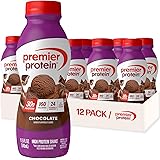
Premier Protein 30g High Protein Shake, Chocolate, 12 Pack | 160 Calories, 24 Vitamins & Minerals, No Added Sugar, Supports Muscle Health, Gluten-Free, 11.5 oz
$29.26 (as of October 13, 2026 03:09 GMT +00:00 - More infoProduct prices and availability are accurate as of the date/time indicated and are subject to change. Any price and availability information displayed on [relevant Amazon Site(s), as applicable] at the time of purchase will apply to the purchase of this product.)
Hisense 55" Class E6SR Series Hi-QLED 4K UHD Smart Roku TV (55E6SR, 2026 Model) - Dolby Vision, Game Mode Plus, VRR, ALLM, DTS Virtual:X, Apple AirPlay, Compatible with Alexa and Google Assistant
$277.99 (as of October 13, 2026 03:32 GMT +00:00 - More infoProduct prices and availability are accurate as of the date/time indicated and are subject to change. Any price and availability information displayed on [relevant Amazon Site(s), as applicable] at the time of purchase will apply to the purchase of this product.)
Smart Dog Bark Collar with Advanced Bark Detection, 4 Adjustable Training Modes, Beep, Vibration, USB-C Rechargeable Barking Collar, IP67 Waterproof, No Bark Collar for Small, Medium & Large Dogs
$29.99 (as of October 13, 2026 03:21 GMT +00:00 - More infoProduct prices and availability are accurate as of the date/time indicated and are subject to change. Any price and availability information displayed on [relevant Amazon Site(s), as applicable] at the time of purchase will apply to the purchase of this product.)










Post Comment