
Unlock Explosive Leg Growth: The Bulgarian Split Squat Secret Most Gym Rats Miss!
Ever stopped to think about how you actually move? Not just shuffling around your living room, but real movement—the kind where only one foot hits the ground at a time, whether you’re sprinting up stairs or leaping over a puddle. Fun fact: you simply can’t move with both feet planted simultaneously, so why are most workouts obsessed with two-legged exercises? That’s where unilateral movements like the Bulgarian split squat step in, an absolute game changer if you’re serious about building legs that do more than just look good in shorts—they actually work. This exercise not only highlights muscle imbalances masked by regular squats but also challenges your balance and coordination, sharpening your athletic prowess with every rep. Sure, it might feel a bit tricky at first, but with the right guidance (thankfully, we’ve got the expert Ebenezer Samuel breaking it all down), you’ll be crushing gains faster than you’d imagine. Ready to level up your leg day? Let’s dive in. LEARN MORE
 7 min read
YOU CAN’T MOVE with both feet on the floor. When you walk, you take one step, then another. Stairs are one at a time too. When you leap, whether you’re on a rec basketball court or just hopping over a puddle on a rainy day, you spring forward off one foot. So if you want to build legs with real-world strength, you need unilateral exercises—movements that work one side of your body at a time. That’s why movements like the Bulgarian split squat (a.k.a. the rear foot elevated split squat) are essential to your training.
The Bulgarian split squat is so useful because of its positioning. Not only are you addressing muscle imbalances that your standard bilateral (standard two-foot) squats might mask, you’ll also have the chance to hone your athleticism as you work to keep your balance and posture through each set.
While the Bulgarian split squat can be a great exercise for all types of trainees, it is slightly more technical than the average squat. Here, Men’s Health fitness director Ebenezer Samuel, C.S.C.S., explains best way to do the Bulgarian split squat so you can get to gains even more quickly.
How to Do the Bulgarian Split Squat

FOLLOW THESE FORM cues to learn how to do the Bulgarian split squat. Once you’ve read the step-by-step directions, follow along for some higher-level tips from Samuel to dive deeper into the exercise.
- Start on the floor in front of the bench (or whatever stable platform you have on hand).
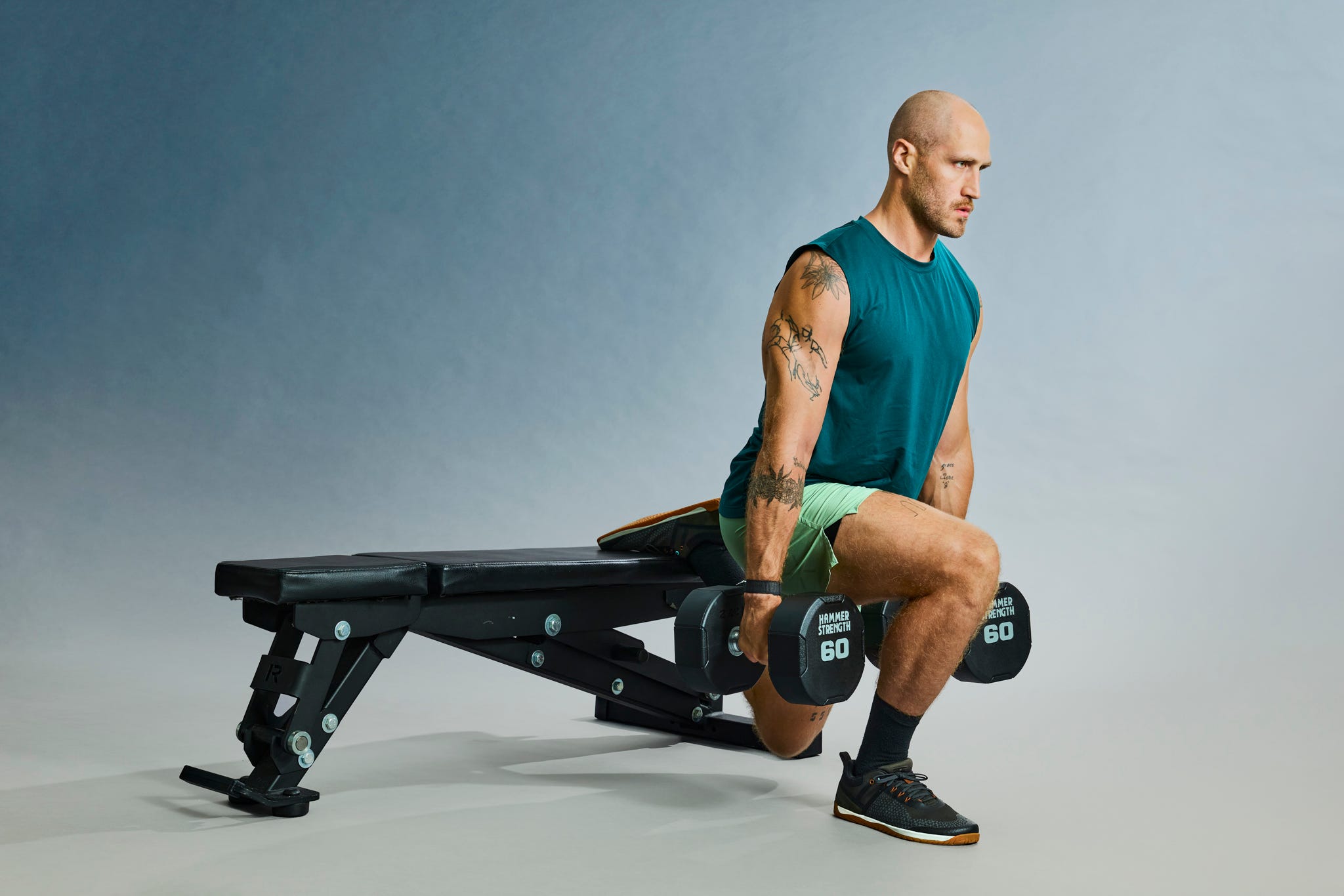
- Place one foot up onto the bench, then get into a position where your front foot is planted on the floor with a vertical shin (in relation to the ground). Your thigh should be parallel to the ground, forming a 90 degree angle at the knee.
- Grab the weights off the floor.
- Tighten your core and drive your ribcage in. Keep your neck neutral, looking straight ahead. Squeeze your shoulder blades to create tension.
- Stand up, hinging forward slightly to avoid overextending your back.
- Lower yourself down, working to keep your shin in that vertical position. Don’t allow your back knee to hit the ground; stop an inch from the floor if you can.
- Squeeze your glutes hard to keep your knee in the proper position, then press your front foot off the floor to drive up.
More Tips for Mastering the Bulgarian Split Squat
Start At The Bottom
Eb says: The biggest mistake I see with the Bulgarian split squat is the setup, and if you setup wrong, you’ll never get the Bulgarian split squat right. If your leg is too close to the bench, you wind up with a bad front knee position that’s going to contribute to knee pain. If it’s too far, you won’t get the proper stretch on your back leg and you’ll miss half the beauty of the Bulgarian. So find your position on the ground first, then stand up.
Back Knee Never Touches
Eb says: The Bulgarian split squat is best used as an exercise that demonstrates controlled movement, not explosion, so think about owning the eccentric (lowering phase)—and work to own the bottom of each rep, too. To own that bottom position, don’t let your back knee hit the ground. Once that back knee touches the ground, this basically becomes a loaded couch stretch.
We want it to be something more than that so you can build leg and glute strength. So force yourself to stop an inch before your back knee hits the ground, and pause in this position for a split second. This will also force you to demonstrate control in that bottom position instead of relying on a bounce out of the hole.

Glutes On
Eb says: You have to pay attention to plenty of factors in the Bulgarian split squat, and the movement pattern itself will take some getting used to, but don’t let any of that be an excuse to not keep your glutes active, as they should be on any squat or deadlift motion.
Letting your glutes relax during a Bulgarian leaves you open to letting your front knee track inward, a potentially damaging position. Keeping your glutes on will prevent this from happening, and also help you derive optimal benefit from the Bulgarian split squat. When you power out of the hole in a Bulgarian, it’s very often almost all glute that drives that charge.
Benefits of the Bulgarian Split Squat
THE BULGARIAN SPLIT squat is effective at building muscle and strength, hitting the glutes, hamstrings, and quads. Plus, it’s a unilateral exercise that helps to address muscle imbalances and hone athleticism. The split stance helps train mobility and flexibility on the rear leg. Plus, you can use multiple forms of load to execute the move—dumbbell, kettlebells, or barbells.
What You Need to Do the Bulgarian Split Squat
TO PULL OFF the Bulgarian split squat, you’ll need a stable raised platform (like a weight bench or if you’re at home, an ottoman or couch) to prop your elevated foot. You can do the exercise without weights and still get a solid workout, but you’ll reap the most strength and muscle gains by using weight. You can use dumbbells, kettlebells, or barbells held in a variety of different grips, like the suitcase hold at your sides, racked, and more.
How to Add the Bulgarian Split Squat to Your Workouts
THERE ARE A few different ways you can add this move into your workouts.
Start by mastering the move with just your bodyweight. This will help you nail down the correct form. Since they’re unloaded, you can add these in as a finisher to your leg day to really burn out your quads and glutes. Don’t be afraid to really jack up the reps when you program them like this, Samuel says. Aim for 3 sets of 15 to 20 reps on each leg.
Slowly start to incorporate weight once you feel you have the form mastered. This is a big compound movement that requires a lot of energy so keep it early in your workout so you can push it on fresher legs. Sandwich it between your heavy-load moves like squats or deadlifts, and your safer, machine-isolated isolated movements like leg extensions. If you’re loading them, keep the volume a bit lower, Samuel says. Aim for 3 sets of 8 to 10 reps.
Bulgarian Split Squat Variations
WANT TO TAKE your Bulgarian split squat to the next level? Check out these variations:
Pulse Pause Bulgarian Split Squat

How to Do It:
- Hold a pair of kettlebells in the racked position and stand slightly in front of the platform. Raise one of you feet back onto the surface and rest your weight onto it, finding your balance. Your legs shouldn’t be positioned so far that you have to stretch to perform the lunge, but they shouldn’t be so close that your range of motion is impeded. Most importantly, you should be able to maintain a vertical shin in your front leg when you squat.
- Bend your knees and squat down. Pause for a count at the bottom position, then fire your glutes to pulse up slightly once. Make sure that your knee doesn’t touch the ground, and work to maintain that vertical shin position in the front leg.
- Squeeze your glutes to lift yourself out of the hole. Stay balanced throughout the movement.
Pass-Through Clean Bulgarian Split Squat

How to Do It:
- Start with your left leg on a bench or chair, positioned for a Bulgarian split squat. Hold a dumbbell or kettlebell at your right shoulder, core tight.
- Bend your front knee, lowering until your thigh is nearly parallel with the ground.
- Lower the weight from your shoulder, and pass it through your legs to the left arm.
- Lean forward slightly, keeping your core tight, then hinge backwards explosively; use that momentum to drive the weight to your shoulder height.
Dead Stop Bulgarian Split Squat

How to Do It:
- Set up just as you would for a standard set of Bulgarian split squats, but add one extra element: stack a pair of weight plates (or some other short platform) on either side of your working space where you’ll be able to rest your weights in the bottom position. You can also grab heavier weights than you would for standard reps.
- From there, proceed as you would for a standard rep. Once you’re in the bottom position, rest the weights in your hands on the platforms (without letting your knee rest on the ground). Pause for a beat.
- Squeeze your glutes hard to keep your knee in the proper position, then press your front foot off the floor to drive up.
Mixed-Load Bulgarian Split Squat

How to Do It:
- Set up as you would for standard Bulgarian split squats, using a pair of kettlebells or dumbbells as load.
- Proceed through your first rep like normal. As you continue into the next rep in the bottom position, leave one kettlebell on the floor before driving up to complete the rep.
- Lower again, this time picking up both kettlebells before driving up.
- Once you lower for the third rep, leave the opposite kettlebell on the ground and drive up.
- Continue this sequence for 12 to 15 reps.
Want to master even more exercises? Check out all of our Form Check guides here.
Brett Williams, NASM-CPT, PES, a senior editor at Men’s Health, is a certified trainer and former pro football player and tech reporter. You can find his work elsewhere at Mashable, Thrillist, and other outlets.
Cori Ritchey, C.S.C.S., is the fitness editor at Women’s Health, as well as a certified strength and condition coach and group fitness instructor. She’s reported on topics regarding health, nutrition, mental health, fitness, sex, and relationships for several years. You can find more of her work in Men’s Health, HealthCentral, Livestrong, Self, and others.
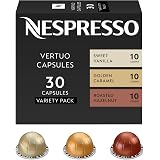
Nespresso Vertuo, Barista Flavored Pack, Medium Roast, 30-Count Coffee Pods | Medium-Roast Coffee Capsules, Caramel, roasted hazelnut and sweet vanilla flavors
$42.00 (as of October 13, 2026 03:09 GMT +00:00 - More infoProduct prices and availability are accurate as of the date/time indicated and are subject to change. Any price and availability information displayed on [relevant Amazon Site(s), as applicable] at the time of purchase will apply to the purchase of this product.)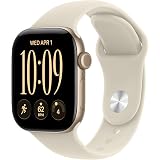
Apple Watch Series 12 GPS 42mm Smartwatch | Light Gold Aluminum Case, Sand Sport Band - S/M. Health + Fitness + Sleep Tracking, Heart Rate, Safety
$389.99 (as of October 13, 2026 03:21 GMT +00:00 - More infoProduct prices and availability are accurate as of the date/time indicated and are subject to change. Any price and availability information displayed on [relevant Amazon Site(s), as applicable] at the time of purchase will apply to the purchase of this product.)
Automatic Bark Control Box, Smart Dog Bark Deterrent Device, Anti Barking Device for Dogs Stop Neighbor’s Dog Barking, Owl Design Ultrasonic Bark Silencer with 2X Emitters 50FT, Waterproof for Outdoor
$59.99 (as of October 13, 2026 03:21 GMT +00:00 - More infoProduct prices and availability are accurate as of the date/time indicated and are subject to change. Any price and availability information displayed on [relevant Amazon Site(s), as applicable] at the time of purchase will apply to the purchase of this product.)
Amazon Fire TV Stick 4K Plus with AI-powered Fire TV Search, Wi-Fi 6, stream hundreds of thousands of movies and shows, free & live TV, find shows faster with Alexa+
$69.99 (as of October 13, 2026 03:21 GMT +00:00 - More infoProduct prices and availability are accurate as of the date/time indicated and are subject to change. Any price and availability information displayed on [relevant Amazon Site(s), as applicable] at the time of purchase will apply to the purchase of this product.)












Post Comment