Japan’s 30-Year Bond Yield Explodes to 4% — What This Shocking Surge Means for Global Investors and Your Portfolio.

Ever thought a 30-year government bond could tell us more about the world economy than a dozen financial news channels? Well, Japan’s just flipped the script by pushing its 30-year bond yield past 4.18%—a historic high that’s making waves way beyond Tokyo’s skyline. This isn’t just a number climbing a chart; it’s a clear signal that inflation worries and shifts in the Bank of Japan’s policies are reshaping the borrowing landscape for the country with the heftiest public debt to GDP ratio on the planet. What really gets me is how this one move has traders and policymakers worldwide recalibrating their bets on interest rates—including those eyeing the Federal Reserve’s next steps. It’s like watching a high-stakes poker game where every player’s chip count suddenly changes overnight. Curious how this bond yield rollercoaster could disrupt global markets and maybe your investment strategy? Dive into the details and see what’s really at stake. LEARN MORE

Japan’s 30-year government bond yield has risen above 4.18%, marking an unprecedented level. This surge surpasses previous highs and is part of a broader increase in long-end yields, driven by inflation concerns and expectations of Bank of Japan policy changes. The development indicates higher borrowing costs for Japan, which holds the world’s largest public debt to GDP ratio. In response to these developments, markets are adjusting their expectations regarding global interest rates, with implications for the Federal Reserve’s upcoming decisions.
Key Takeaways
- The surge in Japan’s 30-year bond yield appears to reflect market concerns about inflation and fiscal policy in Japan.
- Market participants suggest that this development could indicate potential increases in global interest rates.
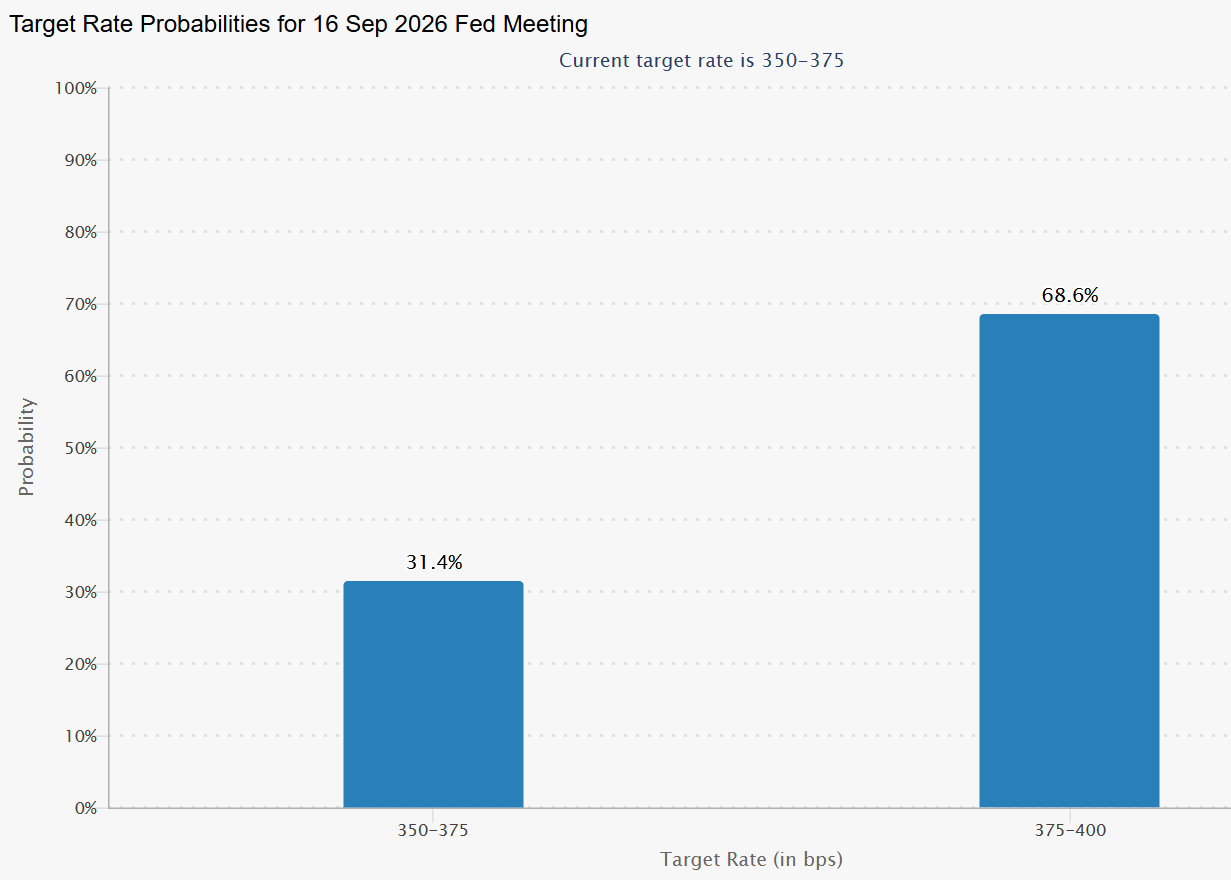
- Pricing suggests a decreased likelihood of the Fed maintaining a pause in interest rates through September.
What to Watch
Future statements and actions by the Bank of Japan could further influence global bond markets. Key figures such as Kevin Warsh and the Federal Open Market Committee are crucial to watch as they approach the September 16 meeting, where any deviation from expected policy could impact market pricing. Developments in Japan’s economic indicators, such as inflation reports, will also be significant in shaping expectations for global monetary policy shifts.
Get live prediction-market analysis, powered by Vera. Sign up for Vera.
Sour Punch Twists, Sour Candy 3" Individually Wrapped Chewy Candy, 4 Assorted Fruity Flavors
$12.97 (as of September 1, 2026 03:09 GMT +00:00 - More infoProduct prices and availability are accurate as of the date/time indicated and are subject to change. Any price and availability information displayed on [relevant Amazon Site(s), as applicable] at the time of purchase will apply to the purchase of this product.)
Monster Energy Zero Ultra, Sugar Free Energy Drink, 16 Ounce | Pack of 15
$26.98 (as of September 1, 2026 03:00 GMT +00:00 - More infoProduct prices and availability are accurate as of the date/time indicated and are subject to change. Any price and availability information displayed on [relevant Amazon Site(s), as applicable] at the time of purchase will apply to the purchase of this product.)
Amazon Fire HD 10 tablet, built for relaxation, 10.1" vibrant Full HD screen, octa-core processor, 4 GB RAM, 32 GB, Black
$154.99 (as of September 1, 2026 03:11 GMT +00:00 - More infoProduct prices and availability are accurate as of the date/time indicated and are subject to change. Any price and availability information displayed on [relevant Amazon Site(s), as applicable] at the time of purchase will apply to the purchase of this product.)
Goldfish Crackers Big Smiles Variety Pack with Cheddar, Colors, and Pretzels, Snack Packs, 30 Ct
$12.86 (as of September 1, 2026 03:00 GMT +00:00 - More infoProduct prices and availability are accurate as of the date/time indicated and are subject to change. Any price and availability information displayed on [relevant Amazon Site(s), as applicable] at the time of purchase will apply to the purchase of this product.)












Post Comment