Federal Reserve’s Warsh Drops Warning Bomb: Is a Stealth Rate Hike Brewing Amidst Inflation’s Defiance?
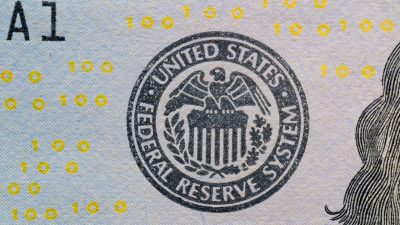
So, here we are again—Federal Reserve Chair Kevin Warsh stepping up at Jackson Hole, dropping a bombshell on Wall Street: slow-to-die inflation means interest rates are poised to climb back up. It’s like watching a stubborn cat refuse to get off the table no matter how many times you ask nicely. Inflation’s been playing the long game—3.7% year-over-year as of July, and even worse, a 4.1% pace over the last six months. The Fed’s target of 2%? Yeah, that’s been a no-show for 65 straight months. Warsh’s message couldn’t be clearer: unless inflation starts behaving, rate hikes are coming—and soon. Traders caught the signal fast, cranking up the odds for a September rate bump from 35% to around 60% in a heartbeat. Now, this raises the question—how prepared are investors when defensive moves like these rate adjustments rattle the usual suspects, from dividend-heavy stocks to utilities? And what does this mean for the broader market when the Fed’s pretty much admitting the inflation fight is far from over? Buckle up—this isn’t just another speech; it’s a market bell ringing loud and clear. LEARN MORE

Kevin Warsh used his first Jackson Hole speech as Fed Chair to deliver a message Wall Street didn’t particularly want to hear: if inflation keeps dragging its feet, interest rates are going back up.
Speaking at the annual symposium on August 28, Warsh pointed to persistent price pressures and made clear the central bank isn’t ready to declare victory. PCE inflation, the Fed’s preferred gauge, sat at 3.7% year-over-year as of July. Over the past six months, the annualized reading was even worse at 4.1%. The 2% target? The Fed hasn’t hit it for 65 consecutive months.
Markets got the message, fast
Before Warsh took the podium, futures markets priced in roughly a 35% chance of a 25-basis-point rate hike at the September 15-16 FOMC meeting. By the time traders digested his remarks, that number had jumped to approximately 60%, according to CME FedWatch data.
Warsh has positioned himself as a data-first leader, preferring to let economic readings speak louder than press conferences. But when he did speak, the signal was unmistakable.
“Otherwise, we have work to do,” Warsh said, referring to the possibility that inflation trends fail to move decisively toward the 2% goal.
The federal funds rate currently sits in a range of 3.50% to 3.75%. A 25-basis-point hike would push it to 3.75% to 4.00%.
What a hike means for markets
The most immediate impact would land on rate-sensitive corners of the equity market. High-yield dividend stocks face the most obvious pressure. When risk-free rates climb, the relative appeal of dividend-paying equities shrinks. That math has historically punished REITs, utilities, and other yield-heavy sectors when the Fed tightens.
Defensive names with strong pricing power, think consumer staples and healthcare, have historically held up better because their earnings are less sensitive to the cost of capital.
The inflation problem that won’t quit
The inflation data has been stubbornly uncooperative. A six-month annualized PCE reading of 4.1% suggests price pressures aren’t just lingering, they’re re-accelerating on a shorter time horizon.
The 65-month streak without hitting the 2% target means the Fed has been missing its primary mandate for more than five years running.
Warsh’s approach differs from some of his more openly hawkish colleagues on the FOMC, who have reportedly pushed for more aggressive action. His preference for limited forward guidance gives him flexibility, and when the chair does speak with conviction, as he did at Jackson Hole, markets tend to react sharply because the signal-to-noise ratio is unusually high.
The September FOMC meeting now becomes the most consequential policy event on the near-term calendar. With futures markets now pricing a coin-flip-plus probability of a hike, even a modest upside surprise in the August inflation data could push that probability toward certainty.
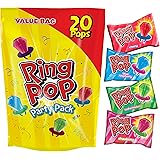
Ring Pop Lollipops - Bulk Candy Individually Wrapped Suckers Variety | Party Pack- 20 Count w/Assorted Flavors - Hard Candy for Party Favors, Kids & Goodie Bag Stuffers
$8.54 (as of September 6, 2026 03:12 GMT +00:00 - More infoProduct prices and availability are accurate as of the date/time indicated and are subject to change. Any price and availability information displayed on [relevant Amazon Site(s), as applicable] at the time of purchase will apply to the purchase of this product.)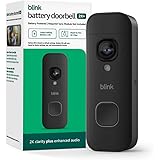
Blink Battery Doorbell 2K+ (newest model) — Wireless video doorbell, 2K resolution, enhanced audio. Required Sync Module not included – Add-On (Black)
$41.99 (as of September 6, 2026 03:12 GMT +00:00 - More infoProduct prices and availability are accurate as of the date/time indicated and are subject to change. Any price and availability information displayed on [relevant Amazon Site(s), as applicable] at the time of purchase will apply to the purchase of this product.)
Ameritex Waterproof Dog Bed Blankets Cover for Bed Couch Sofa Reversible | Soft Washable Pet Blankets,Furniture Protector for Dogs Cats Couch Cover for Dogs (30x70 Inches, Grey+Dark Grey)
$7.99 (as of September 6, 2026 03:08 GMT +00:00 - More infoProduct prices and availability are accurate as of the date/time indicated and are subject to change. Any price and availability information displayed on [relevant Amazon Site(s), as applicable] at the time of purchase will apply to the purchase of this product.)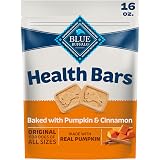
Blue Buffalo Health Bars Pumpkin & Cinnamon Dog Biscuits, 16 oz | Oven-Baked, Crunchy Texture, No Chicken By-Product, Corn, Wheat, or Soy
$4.98 (as of September 6, 2026 03:01 GMT +00:00 - More infoProduct prices and availability are accurate as of the date/time indicated and are subject to change. Any price and availability information displayed on [relevant Amazon Site(s), as applicable] at the time of purchase will apply to the purchase of this product.)









Post Comment