Unlock the Power Moves Behind Workspace Design: How Top Offices Are Sculpting Productivity Like Champions
Ever noticed how you never really stop to think about the space you’re working in until something’s just… off? Like, you’ve got a desk, a chair, a computer—but somehow it feels all wrong. Here’s a curveball for ya: a well-planned workspace shouldn’t start with picking a desk. Nope, it should start by asking, “What the heck do I actually need this space to do?” Funny how often we overlook that simple question, right? The modern office isn’t a one-size-fits-all gig anymore. Whether you’re commanding an executive corner office, bouncing between sitting and standing all day, or sharing a spot with teammates, each setup demands its own vibe and function. It’s about how you move, where your gadgets plug in, when you cierre the door for privacy—or open it for collaboration—and how everything gels together to create a space you actually want to be in. Ready to rethink your workspace from the ground up? Let’s dig into the art of designing spaces that work for you, not the other way around. LEARN MORE
A well-planned workspace should not begin with a desk. It should begin with how the space needs to work.
Different Spaces for Different Ways of Working
The modern office is no longer built around one standard desk and one standard way of working. A private executive office, an adaptable sit-stand workspace, and a shared workstation each have different requirements. For Saintcy, workspace planning begins by considering how people use the room: how they move through it, where technology and storage belong, whether the space needs privacy or collaboration, and how the furniture contributes to the overall character of the environment.
1. Presence — The Executive Office
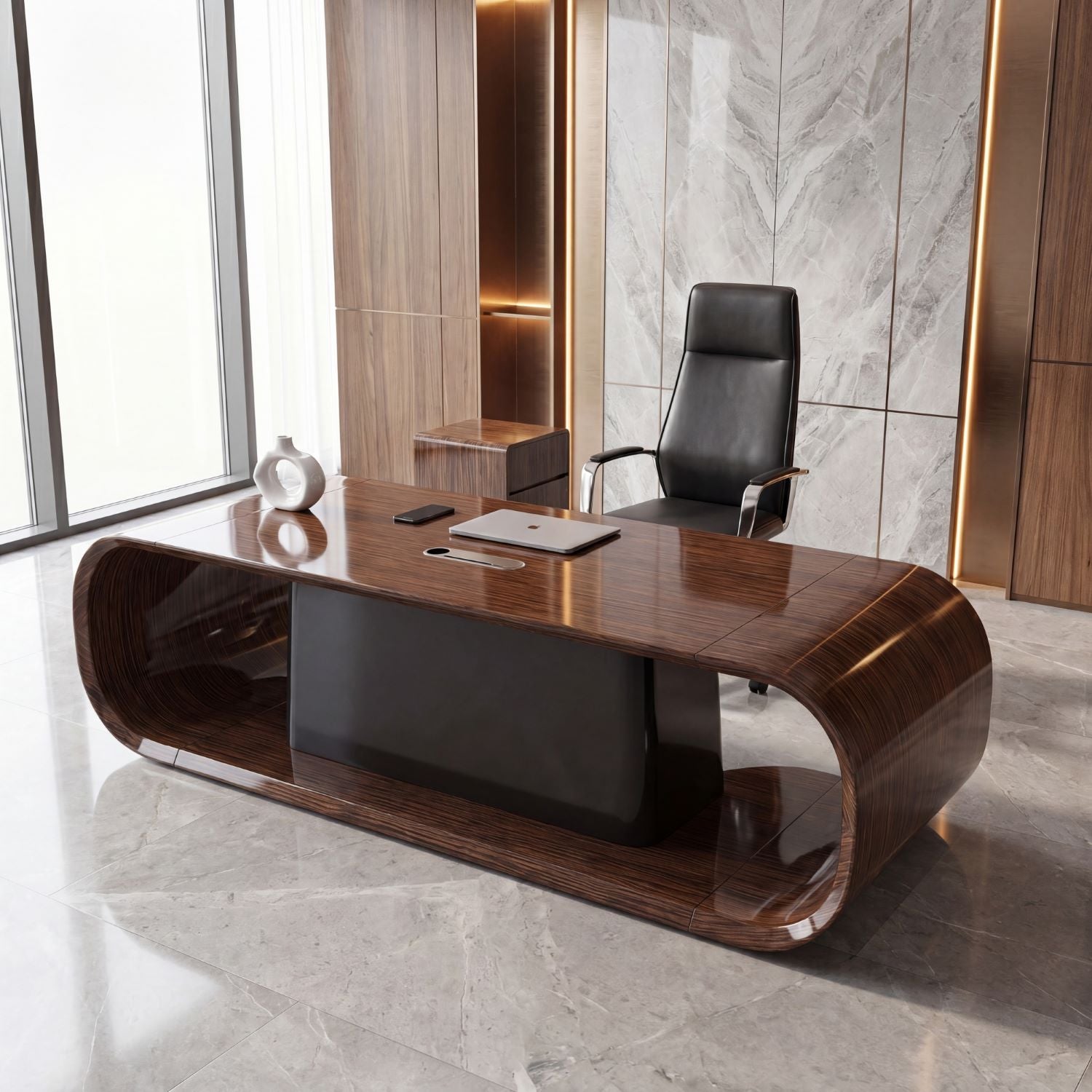
Saintcy Opus Orbit Executive Desk (A2024-1)
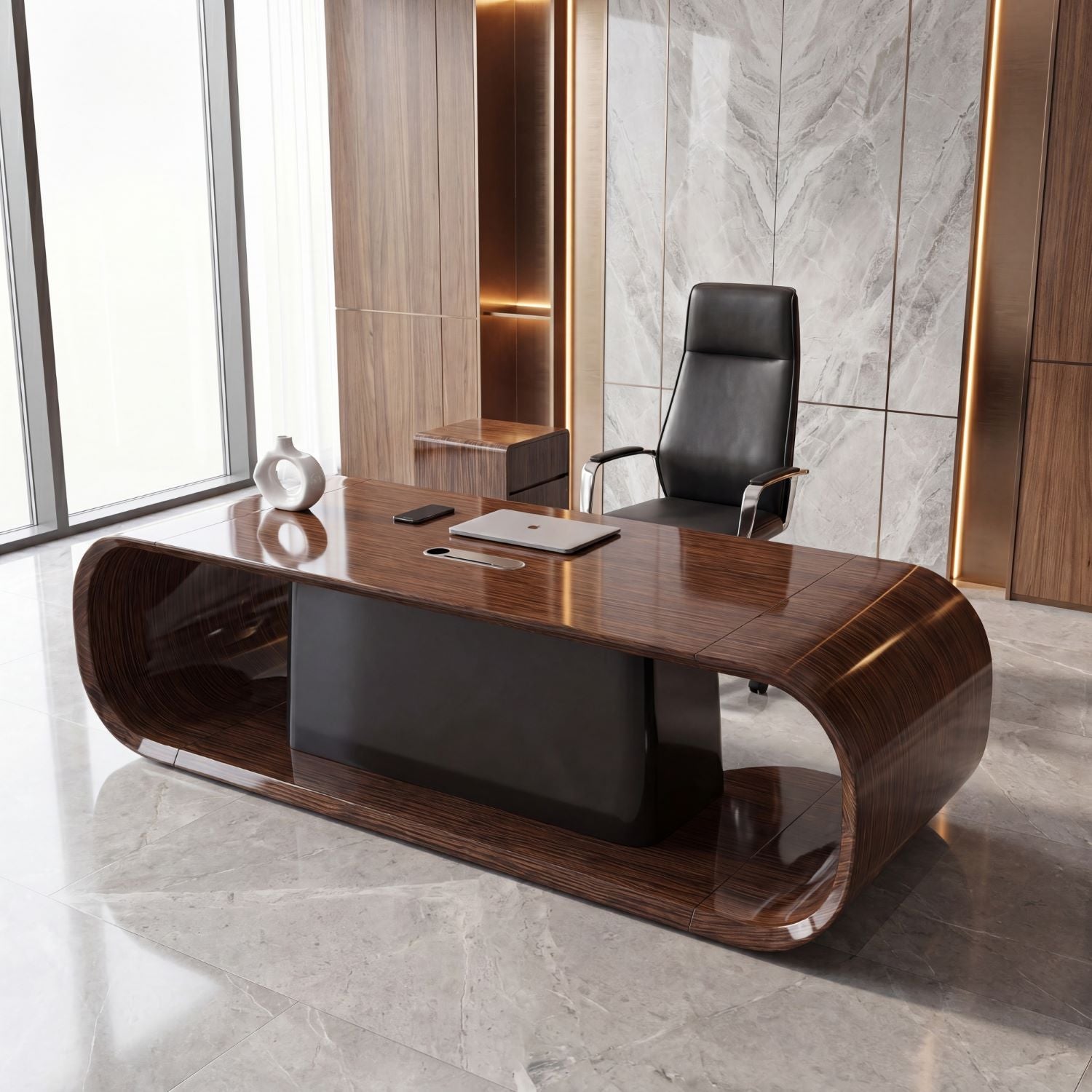
The Opus Orbit represents the most architectural side of this approach. Its sculptural form and executive scale allow the desk to become a visual anchor within a private office, while integrated power supports everyday technology without turning it into the visual focus of the room. In this kind of space, planning is about more than fitting a desk into a floor plan: furniture scale, circulation, guest-facing orientation, and the relationship between the desk and the surrounding architecture all shape the experience of the room.
Planning principle: The executive desk as the anchor of the space.
2. Flexibility — The Individual Workspace
Saintcy X8801 L-Shaped Standing Executive Desk
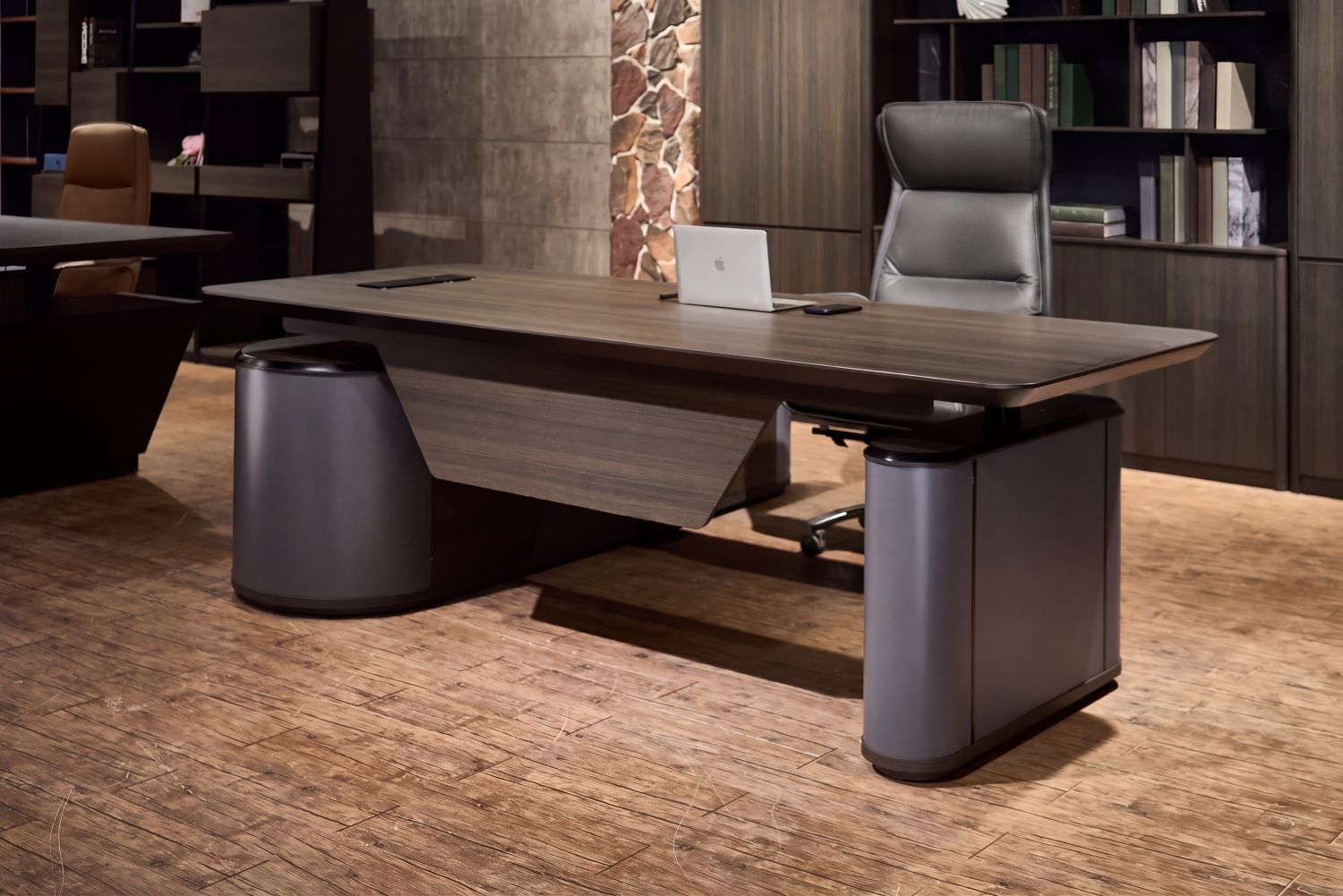
The X8801 approaches the executive office from a more adaptable perspective. Its L-shaped standing-desk format, integrated storage, and height-adjustable work surface support different tasks and working positions throughout the day. This section can focus on how an individual workspace is organized around workflow: primary computer work, supporting documents, storage, movement, and the ability to alternate between sitting and standing. Rather than asking the user to adapt to a static workstation, the furniture becomes part of a more flexible daily routine.
Planning principle: The workspace should adapt to the person using it.
3. Collaboration — The Shared Workspace
Saintcy IW009 2-Person Electric Standing Desk
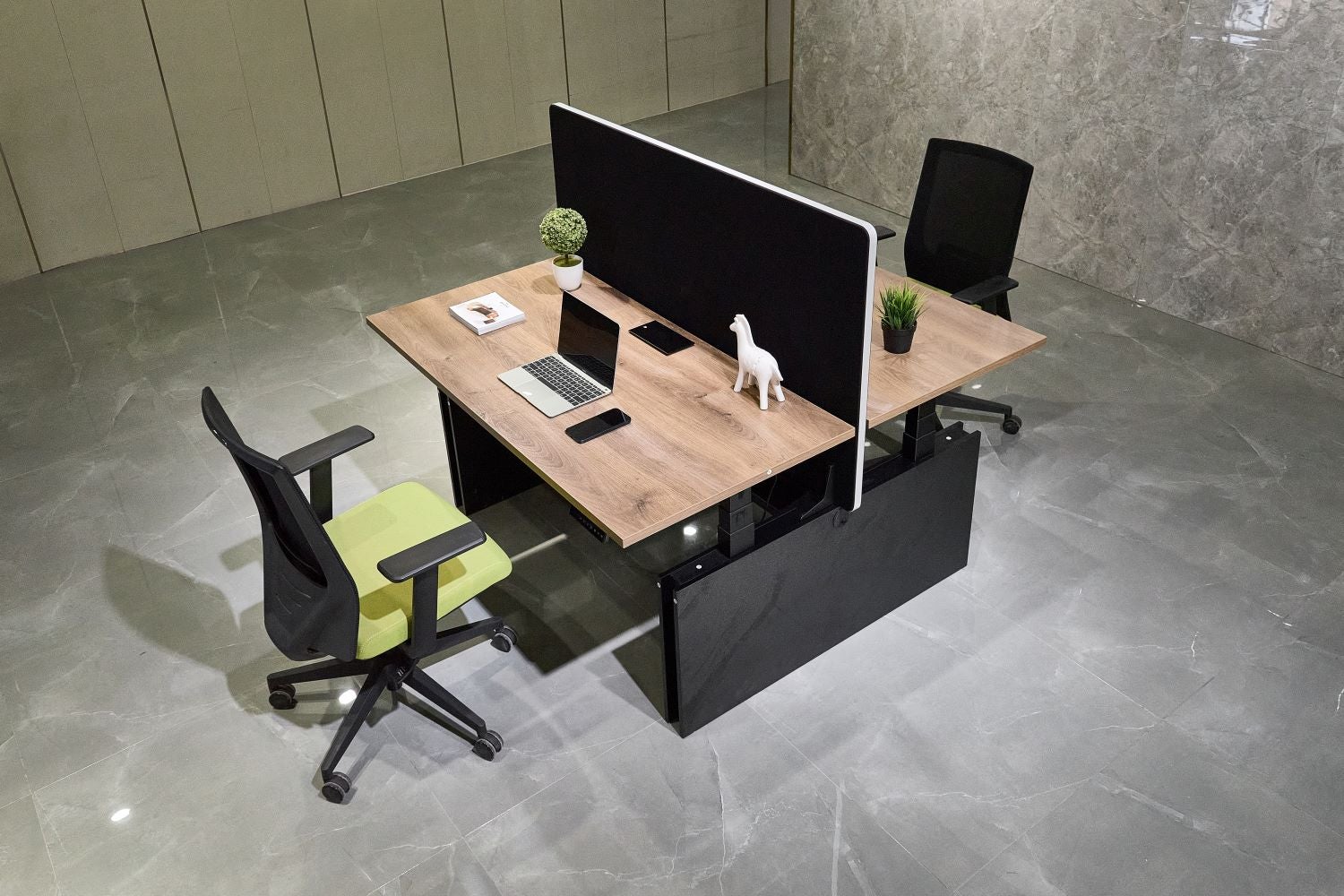
The IW009 extends the story beyond the private office and into collaborative environments. A two-person electric standing workstation introduces a different planning challenge: how to create a shared footprint while still giving each user a clear, functional work zone. The central divider helps define individual space, while the shared configuration supports closer team interaction. For growing offices and smaller teams, the goal is not simply to fit more desks into a room; it is to create shared environments that still respect individual ways of working.
Planning principle: Shared space does not have to mean shared preferences.
One Office. Different Ways of Working.
Together, these three workspace types illustrate a broader approach to office planning. A statement executive office may prioritize presence. An individual workspace may prioritize flexibility. A shared workstation may prioritize collaboration. Room dimensions, circulation, ergonomics, power access, cable routing, storage, privacy, and visual consistency all influence which solution is appropriate. Rather than treating furniture as isolated pieces, Saintcy approaches it as part of the larger workspace — designing around the people, activities, and environments the furniture is intended to support.
Presence. Flexibility. Collaboration.One office. Different ways of working.

IQBAR Clean Protein Bars, Low Sugar, | Assorted Chocolate Flavors | 12-Bars | High Fiber Plant Based Snacks, Clean Label Project Certified | Gluten Free, Dairy Free, Vegan, Soy Free
$24.99 (as of September 14, 2026 03:20 GMT +00:00 - More infoProduct prices and availability are accurate as of the date/time indicated and are subject to change. Any price and availability information displayed on [relevant Amazon Site(s), as applicable] at the time of purchase will apply to the purchase of this product.)
Bloom Nutrition Zero Sugar Energy Drink, Apple Crisp, 12oz 12pk | 180mg natural caffeine with prebiotics, green tea extract & lychee for energy, focus and feel-good refreshment.
$24.99 (as of September 14, 2026 03:03 GMT +00:00 - More infoProduct prices and availability are accurate as of the date/time indicated and are subject to change. Any price and availability information displayed on [relevant Amazon Site(s), as applicable] at the time of purchase will apply to the purchase of this product.)
PIRATE'S BOOTY Aged White Cheddar Cheese Puffs Bags, .5 oz (24 Count) | Aged White Cheddar Cheese Puffs, Peanut and Tree Nut Free Kids Snacks, Snacks for Kids and School Lunches, 24 bags
$8.87 (as of September 14, 2026 03:03 GMT +00:00 - More infoProduct prices and availability are accurate as of the date/time indicated and are subject to change. Any price and availability information displayed on [relevant Amazon Site(s), as applicable] at the time of purchase will apply to the purchase of this product.)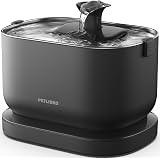
PETLIBRO Cat Water Fountain, Cordless Pet Water Fountain Battery Operated, 2.5L/84oz Dockstream Water Fountains for Cats Indoor, Cat Fountain with Stainless Steel Tray, Easy to Clean BPA-Free
$66.49 (as of September 14, 2026 03:09 GMT +00:00 - More infoProduct prices and availability are accurate as of the date/time indicated and are subject to change. Any price and availability information displayed on [relevant Amazon Site(s), as applicable] at the time of purchase will apply to the purchase of this product.)














Post Comment