Putin’s Game-Changer? How Modi and Xi’s Unexpected Offer Could Rewrite the Ukraine Peace Playbook

Isn’t it fascinating how the BRICS summit in New Delhi suddenly turned into a geopolitical theater — with Vladimir Putin, Narendra Modi, and Xi Jinping stepping into starring roles on a world stage that’s been stuck in a five-year standoff? Here we have two of the globe’s most consequential leaders, Modi and Xi, throwing their hats in the ring as potential peace brokers in Ukraine — a conflict that’s dragged on longer than most expect. Putin’s public nod to their willingness? Well, it’s both a diplomatic olive branch and a subtle chess move in a game where the rules keep changing. Yet beneath this high-profile handshake fest lies an undercurrent of complexity: Modi’s juggling India’s strategic interests and energy needs, Xi navigating border disputes, and Putin holding firm on his red lines involving NATO expansion. The big question lingering in the air: Is this genuine momentum toward peace, or just another round of diplomatic smoke and mirrors? Let’s unpack what really unfolded, why it matters beyond the smiling photos, and what it means for the delicate balance of global power. LEARN MORE

Russia’s president publicly welcomed offers from two of the world’s most powerful leaders to help broker peace in Ukraine, turning the BRICS summit in New Delhi into a stage for high-profile diplomatic signaling on a conflict now grinding through its fifth year.
Vladimir Putin praised the willingness of Indian Prime Minister Narendra Modi and Chinese President Xi Jinping to support a negotiated settlement during the 18th BRICS Summit, held September 11-12, 2026. Modi declared India’s readiness to assist peace efforts through dialogue and diplomacy, while Xi’s engagement reinforced Beijing’s positioning as a potential intermediary.
What actually happened in New Delhi
Modi met with Putin on September 11, using the encounter to raise India’s interest in a Ukraine settlement alongside a more immediate concern: the safety of Indian seafarers operating in the Black Sea.
The following day, Modi sat down with Xi. But that conversation steered in a different direction entirely, centering on their own longstanding boundary dispute rather than Ukraine. The two leaders emphasized what they called a “fair and reasonable” resolution to border tensions.
Putin, for his part, has a track record of praising mediation efforts from Asian powers at multilateral forums. At previous summits, Putin has consistently tied any potential peace framework to what he describes as the need to address NATO enlargement, a condition that Western capitals view as a nonstarter.
The BRICS balancing act
India and China occupy an unusual position in the Ukraine conflict. Neither has joined the Western sanctions regime against Russia. Both maintain robust strategic and economic ties with Moscow. Yet both have also called for a negotiated end to the fighting.
For Modi, the BRICS summit offered a chance to project India’s role as a peace facilitator on the global stage, something New Delhi has been increasingly vocal about since the conflict began in February 2022. India’s diplomacy here is partly self-interested. The country imports significant Russian energy and defense equipment.
The summit itself took place against the backdrop of US tariffs affecting both India and China.
Why this matters beyond the handshakes
The absence of concrete new proposals is worth noting. Diplomatic willingness without a framework is atmosphere, not architecture. India and China expressing readiness to help is a statement of intent, not a plan.
Putin’s repeated insistence that NATO enlargement be addressed in any peace deal sets a high bar. Ukraine and its Western backers have shown no willingness to make concessions on sovereignty or alliance membership as preconditions for talks.
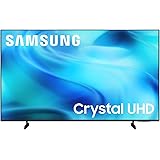
Samsung 65-Inch Class Crystal UHD U8000H Series Samsung Vision AI Smart TV (2026 Model, 65U8000H) Processor 4K, Endless Free Content, Motion Xcelerator, Color Booster, Alexa Built-in
$377.99 (as of September 13, 2026 03:20 GMT +00:00 - More infoProduct prices and availability are accurate as of the date/time indicated and are subject to change. Any price and availability information displayed on [relevant Amazon Site(s), as applicable] at the time of purchase will apply to the purchase of this product.)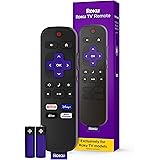
Roku TV Remote Control (Official Manufacturer Product) | Simple Setup & Pre-Set App Shortcuts - Replacement Remote Compatible with RokuTV Models ONLY (Not Roku Players)
$9.99 (as of September 13, 2026 03:10 GMT +00:00 - More infoProduct prices and availability are accurate as of the date/time indicated and are subject to change. Any price and availability information displayed on [relevant Amazon Site(s), as applicable] at the time of purchase will apply to the purchase of this product.)
Welch's Fruit Snacks - Mixed Fruit Box - Kids Snacks - 0.8 Oz - 40 Pack | Bulk Box, Made with Whole Fruit, Gluten-Free Snack Packs for Kids and Adults, No Artificial Dyes
$6.99 (as of September 13, 2026 03:20 GMT +00:00 - More infoProduct prices and availability are accurate as of the date/time indicated and are subject to change. Any price and availability information displayed on [relevant Amazon Site(s), as applicable] at the time of purchase will apply to the purchase of this product.)
CELSIUS Assorted Flavors Official Variety Pack, Functional Essential Energy Drinks, 12 Fl Oz (Pack of 12)
$22.49 (as of September 13, 2026 03:03 GMT +00:00 - More infoProduct prices and availability are accurate as of the date/time indicated and are subject to change. Any price and availability information displayed on [relevant Amazon Site(s), as applicable] at the time of purchase will apply to the purchase of this product.)










Post Comment