Unlock the Secret Strategy Top Magazines Don’t Want You to Know – Before You Get Featured and Explode Your Brand!
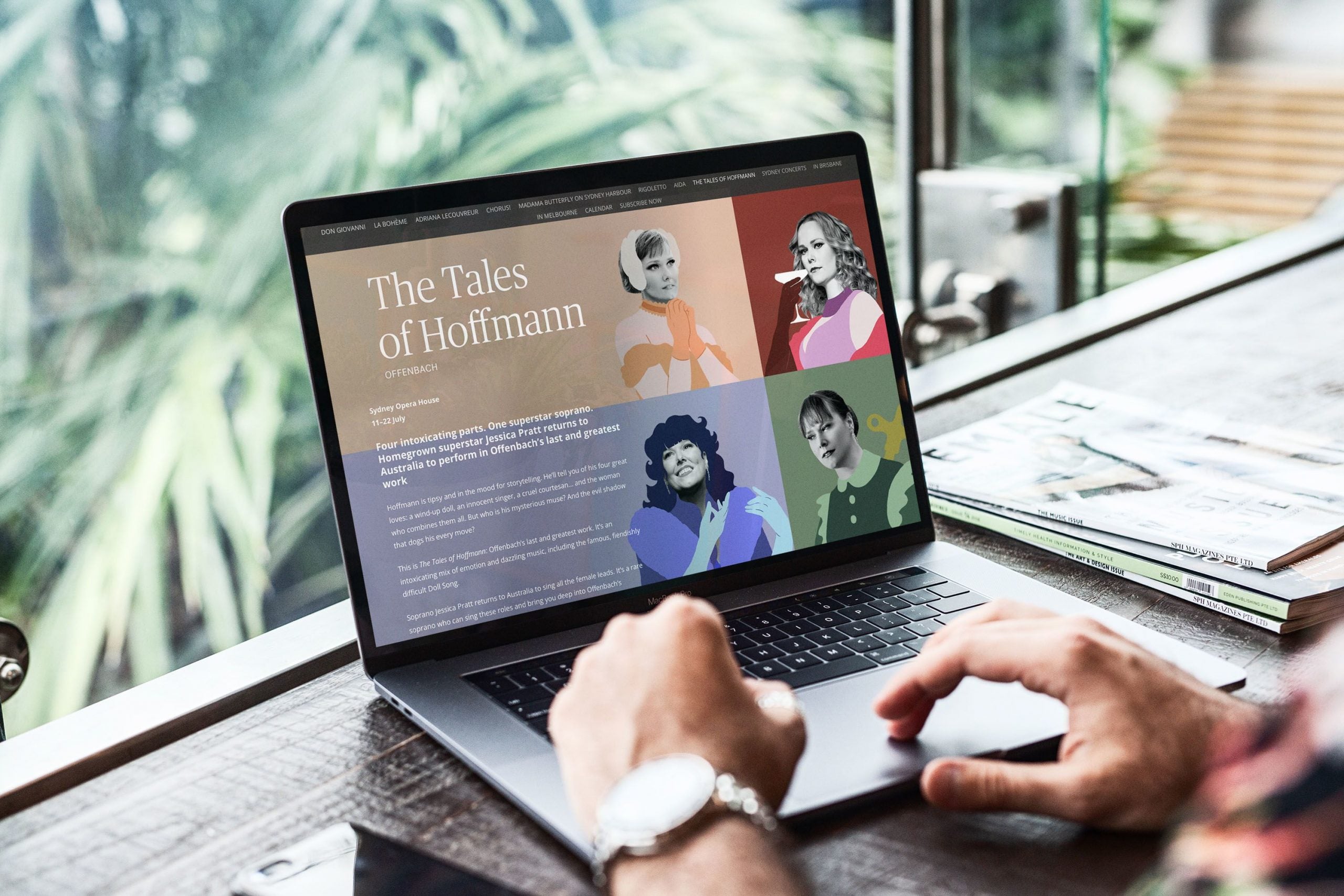
Ever wonder why landing a feature in a magazine feels like trying to join an exclusive club where the password changes every season? Getting your story in front of magazine readers isn’t like snagging a quick news mention where things move at lightning speed. Nope. Magazines operate on their own time—waiting months in advance, juggling themes, and sticking to editorial calendars that would make most first-timers scratch their heads. It’s a bit like prepping for a marathon when you thought you just signed up for a sprint. But don’t sweat it. This guide peels back the curtain on what truly separates magazine features from everyday press coverage, reveals the different kinds of stories you can pitch, and maps out a realistic timeline so your efforts don’t end up lost in the shuffle. If you’re ready to stop guessing and start playing by the magazine rules, keep reading — because timing really is everything here. LEARN MORE
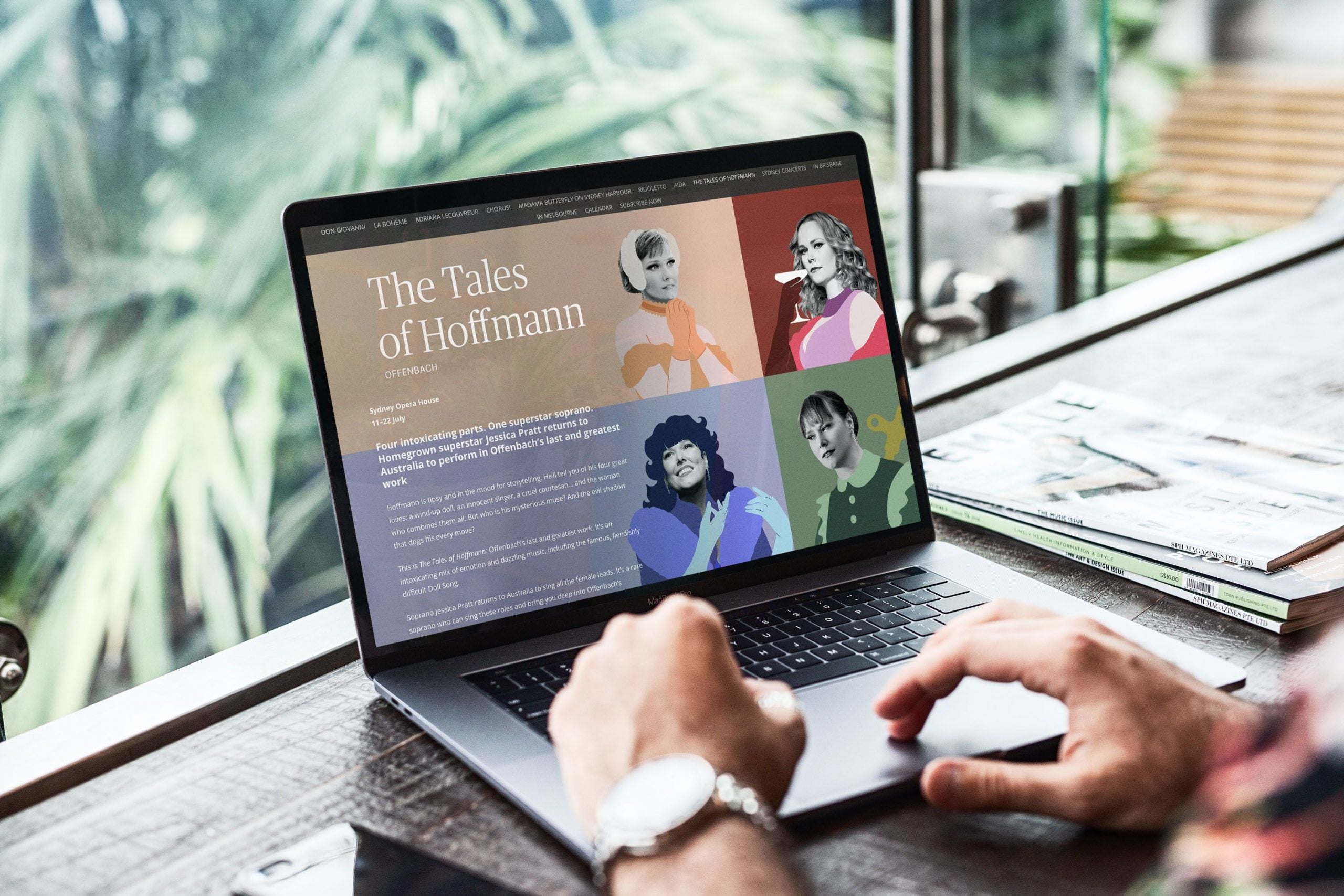
Getting featured in a magazine works differently than getting a news mention. The timelines are longer. The formats are different. And magazines plan around editorial calendars set months in advance, which most first-time pitchers don’t account for.
This guide covers what actually separates magazine features from general press coverage, the different formats you can pitch for, and a realistic timeline for how far ahead you need to plan.
How Magazine Features Differ From News Coverage
News coverage moves fast. A journalist can cover a timely story within a day or two. Magazines don’t work that way.
Print magazine features typically require three to six months of lead time before publication, according to reporting in The Writer magazine on editorial planning. Seasonal content needs even more runway. A December holiday feature is often locked in the previous spring or summer.
Digital magazine content moves faster, but still slower than daily news. Most digital features are planned two to four weeks ahead rather than same-day.
The reason is structural. Magazines build issues around themes and editorial calendars, not individual news cycles. A beauty magazine’s June issue might be locked around a “summer skin” theme decided months earlier. If your pitch doesn’t fit that theme, timing alone can rule it out, regardless of how strong the story is.
Types of Magazine Features You can Pitch For
Not every magazine placement looks the same. Common formats include:
- Profile features. A full story built around your founder, your company, or your product category. These typically require an already newsworthy hook, not just an interesting business.
- Expert roundups. A shorter quote or contribution alongside several other sources on a broader topic. Editors often run these when they need multiple perspectives quickly, which makes a fast, useful response valuable.
- Contributed bylines. An article written by you or your team, run under your name rather than a staff writer’s. These work best when you have genuine expertise or a perspective the magazine doesn’t have in-house.
- Gift guides and product roundups. Inclusion in a themed list, often tied to a season or occasion. These are usually decided further in advance than most brands expect.
- “Best of” and trend lists. Inclusion as one example within a broader category story, often written to illustrate a trend the editor has already identified.
A roundup or gift guide inclusion is a realistic, achievable first step for most brands, since it requires less editorial investment from the magazine than a full feature. A full profile feature is a bigger ask and usually goes to companies with an already newsworthy angle, meaningful traction, or a genuinely unusual story.
How to Actually Pitch a Magazine Editor
1. Study the Masterhead, Not Just the Magazine Name
Find the specific editor who covers your category, not a generic contact. Magazines organize by section, and the right editor for a product story is rarely the same person who handles a feature profile.
2. Learn the Editorial Calendar Before You Pitch
Many consumer magazines plan themed issues around specific months. Editors don’t always hand out the full calendar, especially to writers or brands without an existing relationship. Reviewing a year’s worth of past issues is a practical workaround, since most publications repeat seasonal themes year to year. If you can find that calendar, even informally, pitch toward an upcoming theme rather than a topic with no obvious home.
3. Match Your Pitch to a Specific Format
Don’t just pitch “our brand.” Pitch a specific angle for a specific format: a roundup inclusion, a byline idea, or a seasonal gift guide entry. A focused, format-specific pitch is easier for an editor to say yes to than an open-ended introduction.
4. Plan Your Timeline Backward From the Issue Date
If you want to appear in a holiday gift guide, that pitch needs to land months before the holiday, not the week of. Work backward from when you want the feature to run, not forward from when you’re ready to pitch.
5. Keep It Short and Lead With the Idea
The same core pitching principles that apply to any journalist apply here: lead with the angle, keep it brief, and make it easy to say yes. For the full breakdown of pitch mechanics and response-rate data, see how to get your company featured in the media.
Digital vs. Print Magazine Timing
| Factor | Print Magazine | Digital Magazine |
|---|---|---|
| Typical lead time | 3–6 months | 2–4 weeks |
| Seasonal content lead time | Up to 12 months | Weeks to a couple of months |
| Story format flexibility | More fixed to issue themes | More flexible, can react faster |
| Best for | Planned features, gift guides, profiles | Timely stories, product news, trend pieces |
Editorial Coverage vs. Sponsored or Paid Features
This distinction matters and gets blurred often, sometimes deliberately. Editorial coverage means a magazine’s editorial team independently decided your story was worth running, based on newsworthiness or reader interest. Sponsored or paid features, sometimes labeled as advertorial, partner content, or branded content, are placements a brand pays for directly, and reputable publications disclose them as such.
Both have a place in a visibility strategy, and there’s nothing wrong with paying for a clearly labeled sponsored placement if it fits your goals. What matters is knowing which one you’re actually getting. No PR agency, publication, or publisher can ethically guarantee independent editorial coverage in exchange for payment. If an agency claims that paying them guarantees a magazine feature, or blurs the line between “we have a relationship with this publication” and “we can get you covered,” that’s a claim worth questioning directly.
A Note on Realistic Expectations
Magazine editors make independent decisions about what runs, and that decision-making process doesn’t change based on who’s pitching. A strong angle, correct timing against the editorial calendar, and a pitch matched to a real format meaningfully improve your odds. None of that adds up to a guarantee, and any pitch promising one should be treated with skepticism.
Where Swagger Publications Fits
Swagger Publications works alongside SWAGGER Magazine, an established digital lifestyle publication, which gives the team a genuine, inside understanding of how magazine editorial planning actually works, including timing, format and what makes a pitch worth running. That perspective shapes how Swagger Publications builds pitches for clients across PR and media services, whether the goal is a magazine feature, a broader media placement, or ongoing brand visibility. Working with Swagger Publications does not guarantee placement in SWAGGER Magazine or any other outlet. What it does provide is a team that understands editorial timelines and formats from direct experience, not just theory.
Frequently Asked Questions
How far in advance should I pitch a magazine? For print features, three to six months ahead is standard, and seasonal content often needs even more lead time. Digital magazine content can move faster, typically two to four weeks ahead.
What’s the easiest way to get featured in a magazine for the first time? A roundup, gift guide, or expert-quote inclusion is usually a more realistic first step than pitching a full profile feature, especially without an existing media relationship.
Can I pay to guarantee a magazine feature? You can pay for sponsored or advertorial placements, which are clearly different from independent editorial coverage. No ethical agency or publication can guarantee independent editorial coverage in exchange for payment.
Do digital magazines work the same way as print magazines? Not exactly. Digital magazine content generally has shorter lead times and more flexibility to react to timely trends, while print magazines plan further ahead around fixed issue themes.
Should I pitch the editor-in-chief or a specific section editor? A specific section editor, matched to your category, is almost always the better target. Editors-in-chief typically aren’t the right first contact for most brand pitches.
The Bottom Line
Getting featured in a magazine is a different process than general media pitching, mainly because of timing. Plan around editorial calendars, pitch a specific format rather than a vague introduction, and give print features the months of lead time they actually need. Be wary of anyone promising guaranteed placement in exchange for payment, since that’s not how independent editorial coverage works.
If you want a team that understands magazine editorial planning from direct experience, Swagger Publications can walk through what a realistic approach looks like for your brand. Get in touch with Swagger Publications to discuss PR, media coverage and brand visibility.
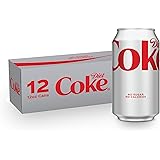
Diet Coke, 12 fl oz, 12 Pack (Package May Vary) | No sugar, no calories, 46 mg caffeine per can
$7.68 (as of September 13, 2026 03:03 GMT +00:00 - More infoProduct prices and availability are accurate as of the date/time indicated and are subject to change. Any price and availability information displayed on [relevant Amazon Site(s), as applicable] at the time of purchase will apply to the purchase of this product.)
Coca-Cola Zero, 12 fl oz, 12 Pack | Carbonated cola soda pop with zero calories
$7.68 (as of September 13, 2026 03:03 GMT +00:00 - More infoProduct prices and availability are accurate as of the date/time indicated and are subject to change. Any price and availability information displayed on [relevant Amazon Site(s), as applicable] at the time of purchase will apply to the purchase of this product.)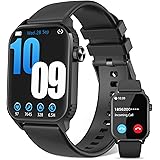
DIVOAZBVO Smart Watch for Men, 120+ Sports Modes Smartwatch with 1.83" HD Touchsreen, Sleep Monitor, IP67 Waterproof, Bluetooth Call & Music Control Fitness Watch for iPhone/Android (Black)
$19.99 (as of September 13, 2026 03:20 GMT +00:00 - More infoProduct prices and availability are accurate as of the date/time indicated and are subject to change. Any price and availability information displayed on [relevant Amazon Site(s), as applicable] at the time of purchase will apply to the purchase of this product.)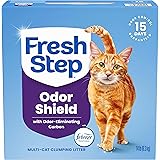
Fresh Step Odor Shield Multi Cat Clumping Cat Litter, 14 lb. | Febreze Freshness, Odor Shield with Ammonia Block Technology, Low Dust, Compatible with Most Automatic Litter Boxes
$9.54 (as of September 13, 2026 03:03 GMT +00:00 - More infoProduct prices and availability are accurate as of the date/time indicated and are subject to change. Any price and availability information displayed on [relevant Amazon Site(s), as applicable] at the time of purchase will apply to the purchase of this product.)













Post Comment