Unlock the Secret Power of Skin Density: The Unexpected Game-Changer for Radiant, Glowing Complexion!

Just when you thought you’d finally cracked the code to flawless skin—bye, natural radiance; hello, glass skin; wait, now it’s all about that lit-from-within glow—here comes a new contender shaking up the scene: skin density. Sounds like the sort of thing you’d want to flex at your dermatologist’s rather than your therapist’s office, right? But here’s the kicker—unlike many fleeting skin trends, focusing on your skin’s density might actually pay off in the long run. So, what is this elusive “skin density” everyone’s whispering about, and can it really keep your skin looking strong and youthful beneath the surface? Let’s dive deep and uncover why building skin density is the latest beauty hustle you might just want to get behind. LEARN MORE
 5 min read
The markers of “good skin” tend to shift just as you’ve mastered the last one. Natural radiance gave way to glass skin, which gave way to that elusive, lit-from-within glow, and now, the newest term to enter the dermatological lexicon is skin density.
While the age-old advice of developing a thick skin against life’s ups and downs has always been aspirational, it could now be pursued at the dermatologist’s rather than the therapist’s (although that is helpful, too). But unlike many other skin trends, this one may be genuinely worth chasing.
What Is Skin Density?
In short, the difference between radiance and density comes down to depth. “Radiance is largely a surface conversation, influenced by hydration, pigmentation and the condition of the epidermis,” says Caitriona Ryan, consultant dermatologist.
“Density goes deeper. It reflects collagen content, elastin integrity, the cushioning effect of hyaluronic acid and the wider extracellular matrix that gives skin its strength and support.” It is, in short, the difference between skin that photographs well and skin that is structurally sound.
It all lives in the dermis: the deeper, living layer where your collagen-making cells reside. “You can be barely lined yet still thin and papery, which is low density,” explains aesthetics doctor Maude Calveley, which goes some way to explaining why certain faces hold their structure for decades while others, despite an enviable lack of wrinkles, simply look tired. Although density can be measured objectively with high-frequency ultrasound, a biopsy is considered the gold standard.
So, why does it diminish? Unfortunately, it’s not a one-size-fits-all answer as several processes unfold at once. “We make less collagen as the fibroblasts (core connective tissue cells in the dermis layer that produce collagen) slow through natural ageing, UV damage, oxidative stress, and hormonal shifts. Simultaneously, the enzymes that break it down grow more active as a result, so the scaffolding thins and frays, and it renews very slowly,” says Calveley.

The junction between the two skin layers, which normally interlocks like a zip for strength, flattens and loses its anchoring proteins, which is “a major reason older skin shears, tears and bruises so easily,” according to Calveley. “Sun is the biggest driver of this and the one you can control,” she adds, while the collagen decline that accelerates around menopause, as oestrogen retreats, compounds the effect.
Although you’d be forgiven for thinking it’s an age-focused issue, the British Journal of Dermatology states that from your twenties onwards, collagen is thought to deplete by around one per cent a year.
What Actually Works?
The good news is that density can be rebuilt…to a degree. Provided you are clear-eyed about what genuinely works and what merely sells, there can be an effective strategy put in place.
Topically, one ingredient outranks the rest. “Retinoids lead by a distance,” adds Calveley. “Prescription tretinoin is the one ingredient with biopsy proof, in a landmark trial, of genuinely building new collagen.” Vitamin C follows, since skin cannot manufacture collagen without it, though its results are more modest and highly formula-dependent.
The rest of the shelf: Peptides, niacinamide, the growth factors and salmon-derived PDRN currently trending on TikTok—largely protect existing collagen or plumps the skin with hydration. Valuable, yes, but not the same as rebuilding. “The collagen molecule in a cream is far too large to get into the skin, so it can’t become your own collagen; it just sits on top as a hydrator,” says Calveley.

Drinks fare a little better, but the category, she suggests, trades on confusion: “Collagen-boosting blurs three different things: Creams, drinks and genuine stimulating treatments, and the first two borrow the credibility of the last. The largest, most rigorous 2025 review found no real benefit once industry-funded studies are removed.”
Professor Ryan offers an elegant test for any beauty claim; ask what was measured, over what period, and against what. “If those answers do not exist,” she says, “the claim does not really exist either.”
For real gains in density, the evidence points to in-clinic treatments that prompt the skin to produce its own collagen without adding volume. “By evidence, the energy and needling treatments lead, because they build the skin’s own collagen with no bulk,” says Calveley. Fractional laser has the longest and most replicated track record, she explains, with radiofrequency microneedling and biostimulatory injectables close behind, making it less of a soothing evening ritual and more a considered investment.
Treat from the Inside Out
Now we know that the dermis is the compartment of the skin that topical products struggle the hardest to reach; wellness becomes a very real contender in the quest for a glowing visage as collagen is built not from what you apply but from what circulates in the blood. “Nothing applied to the surface builds the dermis from raw materials,” notes Professor Ryan. Skin, as she frames it, is supported “from both the outside in and the inside out”—two approaches that are not in competition, but act at different levels of the same tissue.
So, which nutrients earn their place? Omega-3 fatty acids, for one. “They have the strongest dermatological evidence base of any oral nutrient I would name,” says Professor Ryan, citing research in which they temper the UV-induced redness and DNA damage that quietly degrade collagen over time.

Marine collagen peptides, however, are the most directly relevant to density as their small fragments appear to survive digestion and act as signals to fibroblasts, prompting them to produce more collagen and hyaluronic acid, with trials showing improvements in hydration and elasticity across several months.
However, the caveats are real, as many such trials are industry-funded, and no supplement replaces protein, retinoids or SPF (sadly). It is also worth noting that for anyone taking a GLP-1 medication, as appetite falls, protein intake tends to drop quietly alongside it, and skin and hair are often where the shortfall first shows.
Which leaves the least glamorous but most impactful conclusion of all. The single most proven route to stronger skin is prevention. “In a four-and-a-half-year trial, daily sunscreen users showed 24 percent less skin ageing than occasional users,” notes Calveley, highlighting the importance of SPF once again. But if you were expecting a quick fix, unfortunately the expert warns that you’ll be disappointed.
“With retinoids, expect the first real change at about three months and the best of it over six to twelve,” she notes, and collagen-stimulating treatments build over a similar horizon. “The honest message is consistency, months not days, and daily SPF underpinning all of it.” Density, it turns out, can’t be bought in a bottle, but it can be built slowly, and only those willing to keep at it will be rewarded.
Meet the Experts:
Looking for More Skincare Ideas?
Why Trust Harper’s Bazaar?
For more than 150 years, Harper’s Bazaar has been the preeminent fashion and beauty resource for women at every age. We cover what’s new and what’s next in beauty by working with the world’s leading authorities in dermatology, plastic surgery, cosmetics, skincare, haircare, and fragrance. Every story we publish has been thoroughly researched and vetted by our team of beauty editors and industry experts.
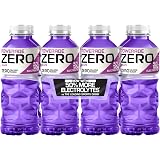
POWERADE ZERO Sugar Sports Drink, Grape Electrolytes, 20 Oz (8 Pk) | Sugar-free Sport Beverage Enhanced with Electrolytes | 50% More Electrolytes vs. the Leading Sports Drink (per 12oz serving)*
$5.48 (as of September 15, 2026 03:03 GMT +00:00 - More infoProduct prices and availability are accurate as of the date/time indicated and are subject to change. Any price and availability information displayed on [relevant Amazon Site(s), as applicable] at the time of purchase will apply to the purchase of this product.)
(2 Pack) Replacement Remote Control for Roku TV, for TCL Roku/Onn Roku TVs | for Hisense Roku/Sharp Roku/Element Roku/Westinghouse Roku/Philips Roku Smart TV (Not for Stick & Box) Ready Out of the Box
$9.98 (as of September 15, 2026 03:11 GMT +00:00 - More infoProduct prices and availability are accurate as of the date/time indicated and are subject to change. Any price and availability information displayed on [relevant Amazon Site(s), as applicable] at the time of purchase will apply to the purchase of this product.)
Coca-Cola Zero Sugar Soda Soft Drink Fridge Pack Cans, 12 fl oz, 12 Pack | Carbonated cola soda pop with zero calories
$7.68 (as of September 15, 2026 03:03 GMT +00:00 - More infoProduct prices and availability are accurate as of the date/time indicated and are subject to change. Any price and availability information displayed on [relevant Amazon Site(s), as applicable] at the time of purchase will apply to the purchase of this product.)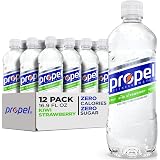
Propel, Kiwi Strawberry, Zero Calorie Sports Drinking Water with Electrolytes and Vitamins C&E, 16.9 Fl Oz (12 Count)
$9.97 (as of September 15, 2026 03:03 GMT +00:00 - More infoProduct prices and availability are accurate as of the date/time indicated and are subject to change. Any price and availability information displayed on [relevant Amazon Site(s), as applicable] at the time of purchase will apply to the purchase of this product.)














Post Comment