Bar Soap vs. Body Wash: The Shocking Truth Dermatologists Don’t Want You to Know!
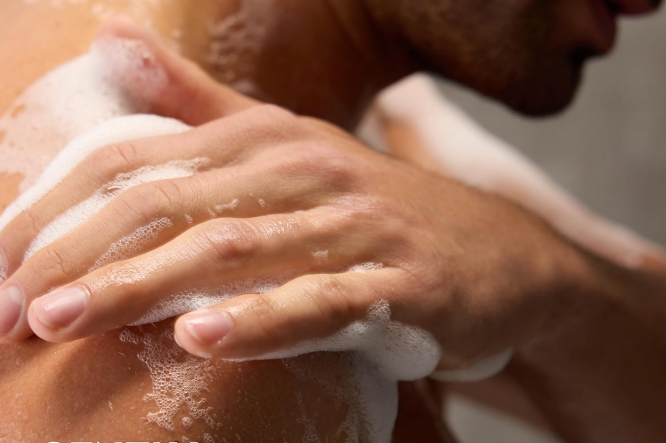
Ever caught yourself standing in the shower, clutching a bar soap or squeezing that body wash bottle, wondering — what’s really the difference? It’s funny how our loyalty to these cleansing sidekicks often mirrors our fanaticism for sports teams. Maybe your pick was a family heirloom or just a random choice years back based on which one looked cooler on the shelf. But here’s the kicker: your shower routine isn’t a lifelong allegiance to the Jets, and switching up your soap won’t lead to a health disaster. In fact, both bar soap and body wash come with their own perks and quirks. The trick is knowing which plays the game better for your skin and lifestyle. Ready to shake up your shower game with some dermatologist-backed insight? Let’s dive deeper. LEARN MORE
 3 min read
WHETHER YOUR USE bar soap or body wash tends to be decided much like your favorite sports team. Maybe it was inherited from what your family liked growing up or maybe you simply chose one years ago based on appearance; either way, it’s all you know now. But showering isn’t the NFL, and where you come from doesn’t subject you to a lifetime of watching the Jets. Not to mention, neither bar soap nor body wash will be as bad for your health.
Both cleansers have their pros and cons, so choosing what’s best for you and your skin will come down to several factors. This is how dermatologists view the debate.
How are Body Washes and Bar Soaps Formulated?
The most obvious difference between bar soap and body wash is that one is a solid and one is a liquid, which impacts how each is created. Bar soaps are made through a process called saponification, which turns oils and fats into soap, creating the cleansing agents that remove dirt, sweat, and excess oil from your skin.
According to dermatologist Dr. Chang Son, MD, this can result in a higher alkaline pH. Body washes, on the other hand, are usually water-based and typically have a pH that’s closer to the skin’s natural level, making them less likely to strip away natural oils and cause irritation.
That being said, bar soaps are less likely to harbor bacteria, as they’re largely waterless, Dr. Son says. Plus, bars do not require any type of container, so they tend to be better for the environment by not relying on plastic. This also means bar soaps aren’t subject to any TSA liquid regulations, whereas with body washes you can’t fly with anything more than 3.4 ounces. Not to mention, you don’t risk any spillage during travel.
Because body washes are water-based, they can more easily incorporate humectants, soothing ingredients, and conditioning agents that help hydrate and support the skin during cleansing, says dermatologist Dr. Rachel Westbay, MD. This also makes body washes easier for formulators to tailor to a specific skin concern. But that does not mean body wash is automatically gentler.
Dr. Westbay cautions that this is a common misconception and what’s more consequential for a body cleanser—whether solid or liquid—is the ingredients that make up its formula. A heavily fragranced or aggressively foaming body wash can still irritate or dry the skin, she says.
How Do Body Washes and Bar Soaps Feel on the Skin?
If you’re a longtime bar soap user—especially with budget options—you’re probably familiar with that squeaky-clean feeling on your skin. Unfortunately, this isn’t as good for your skin as it might feel. See, bar soaps can often remove more oil from the skin’s surface than necessary or ideal, leaving skin feeling tight, Dr. Westbay says.
Body washes, on the other hand, typically feel gentler and more moisturizing, thanks to their formulas containing more hydrating and conditioning ingredients. That being said, Dr. Westbay confirms this is not universal, especially with more modern bars that can be just as nourishing as body washes.
Not to mention, if a body wash contains harsh sulfates or a high pH level, it can just as easily strip the skin of necessary oils. Ultimately, it’s less about soap being liquid or solid and more about what ingredients are included in its formula that determines how a soap feels on your skin.
This extends to specific conditions, like dry, sensitive, or acne-prone skin, as Dr. Westbay says the soap’s formula is far more important than its delivery system. “The best cleanser is the one that gets you clean without making your skin feel like it has been power-washed,” she says.
The Best Body Washes and Bar Soaps for Men
Best Overall Bar Soap

Best Scented Bar Soap

Best Charcoal Bar Soap

Best Overall Body Wash

Best Multipurpose Body Wash

Best Moisturizing Body Wash

Meet the Experts
More of Our Favorite Grooming Products
Best Natural Deodorants for Men | Best Body Washes | Best Lotions | Best Bar Soaps | Best Long-Lasting Colognes | Best Colognes | Best Beard Trimmers | Best Nose Hair Trimmers | Best At-Home Laser Hair Removal | Manzilian Guide | Best Back Shavers | Pubic Hair Trimmers | Eyebrow Trimmers | Best Head Shavers | Best Razors | Best Disposable Razors | Best Electric Razors
Sean Zucker is the Grooming and Reviews Editor at Men’s Health. He brings over half a decade of experience covering health, wellness, and lifestyle. When Sean’s not writing about hair products, you can find him running for exercise, or toward the nearest food truck.
Christian is the Style and Reviews Director at Men’s Health and Women’s Health, where he oversees shopping and style content for both brands. He started his magazine career as an accessories assistant at Vogue, and has since held editorial roles at Tatler Asia and The Manual. When he’s not online shopping, you can find him on long walks with his two corgis.
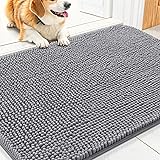
Smiry Dog Door Mat for Muddy Paws 30x20, Absorbs Moisture and Dirt Doormat | Grey, Non-Slip Washable Quick Dry Chenille Front Door Mat Indoor Entrance, Entryway Carpet for Inside Floor
$9.49 (as of September 22, 2026 03:10 GMT +00:00 - More infoProduct prices and availability are accurate as of the date/time indicated and are subject to change. Any price and availability information displayed on [relevant Amazon Site(s), as applicable] at the time of purchase will apply to the purchase of this product.)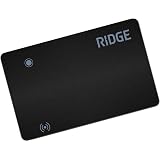
Ridge Tracker Card Compatible with Apple Find My, Compatible with Android Slim Tracking Card - Wallet Finder, Item Locator for Luggage Tags, Passports, Phone - MFi Certified, IP68 Water Resistance
$39.00 (as of September 22, 2026 03:23 GMT +00:00 - More infoProduct prices and availability are accurate as of the date/time indicated and are subject to change. Any price and availability information displayed on [relevant Amazon Site(s), as applicable] at the time of purchase will apply to the purchase of this product.)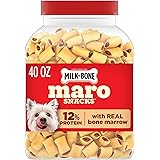
Milk-Bone MaroSnacks Small Dog Treats with Real Bone Marrow, 40 Oz. | Dog treats with 12% protein
$11.48 (as of September 22, 2026 03:05 GMT +00:00 - More infoProduct prices and availability are accurate as of the date/time indicated and are subject to change. Any price and availability information displayed on [relevant Amazon Site(s), as applicable] at the time of purchase will apply to the purchase of this product.)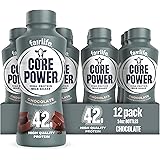
Core Power Elite High Protein Shake, Chocolate, 42g Bottle, 14oz, 12 Pack
$47.98 (as of September 22, 2026 03:05 GMT +00:00 - More infoProduct prices and availability are accurate as of the date/time indicated and are subject to change. Any price and availability information displayed on [relevant Amazon Site(s), as applicable] at the time of purchase will apply to the purchase of this product.)













Post Comment