Why Avalanche’s 55% Surge Is Just the Beginning — Bitwise’s AVAX ETF Is Quietly Rewriting the Rules of Crypto Investing!
Isn’t it wild how a single ETF can turn heads and light a crypto fire under a whole community? Avalanche’s native token, AVAX, just rocked a 55% weekly surge, all eyes glued to the newly launched Bitwise Avalanche ETF — ticker symbol BAVA, live on NYSE Arca. But here’s the kicker: this isn’t your garden-variety ETF just sitting pretty. Nope, Bitwise threw a curveball by actively staking about 70% of the fund’s assets, aiming to rake in staking rewards around 5.4%. Think of it as your traditional ETF on steroids, blending passive exposure with active yield generation. With initial assets hovering between $18 million and $22 million, and AVAX itself cruising near $9.50 per token at launch, the stage is set for something potentially game-changing. Yet one has to wonder — could this hybrid staking approach just be the blueprint that redefines crypto ETFs for good? Hang tight; this rollercoaster’s just getting started. LEARN MORE

AVAX posted a 55% weekly gain as attention around the Bitwise Avalanche ETF fueled renewed interest in the Layer 1 network. The ETF, trading under the ticker BAVA on NYSE Arca, represents the first regulated vehicle offering direct exposure to Avalanche tokens, and it comes with a twist: most of the fund’s holdings are actively staked to generate yield.
The early inflows have been modest by ETF standards, with the fund pulling in around $231K in one recorded period and seeing single-day peaks closer to $5 million. Assets under management for BAVA sat in the range of $18 million to $22 million shortly after launch. For context, AVAX was trading around $9.50 with a market cap of roughly $4.1 billion at the time the fund went live.
How the staking model works
BAVA isn’t just a passive wrapper around AVAX tokens. Bitwise designed the fund to stake approximately 70% of its holdings through its Onchain Solutions division, targeting average staking rewards of about 5.4%.
The sponsor fee comes in at 0.34%, which Bitwise is waiving for the first month on the initial $500 million in assets.
What’s driving the AVAX rally
Avalanche has been building its case as an enterprise-grade blockchain for some time. The network claims throughput of up to 4,500 transactions per second, which puts it in the upper tier of Layer 1 networks. Its customizable architecture allows organizations to spin up dedicated subnets, essentially private blockchains that still connect to the broader Avalanche ecosystem.
That design has attracted partnerships with major organizations including Visa and FIFA, both of which have explored Avalanche for tokenized assets and payment infrastructure.
The bigger picture for crypto ETFs
If the staking model proves successful and AUM grows, it could set a template for future crypto ETFs. Fund managers launching products around staking-enabled tokens like Solana, Polkadot, or Cosmos might look at BAVA’s structure as a blueprint.
For AVAX holders, the ETF represents a new source of structural demand. Every dollar flowing into BAVA translates to AVAX purchases on the open market, and 70% of those tokens get locked into staking contracts, reducing circulating supply. At current AUM levels of $18 million to $22 million, that mechanism is too small to move the needle significantly.
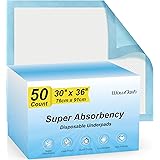
50 Count 30” x 36” Super Absorbency Disposable Underpads | Leakproof Quick Drying, Baby Puppy & Adults Bed Pads Disposable Adults, Dog Pee Pads Extra Large, XXL Incontinence Pads
$34.99 (as of September 22, 2026 03:10 GMT +00:00 - More infoProduct prices and availability are accurate as of the date/time indicated and are subject to change. Any price and availability information displayed on [relevant Amazon Site(s), as applicable] at the time of purchase will apply to the purchase of this product.)
FUJIFILM Instax Mini Instant Film Twin Pack (White), 20 Photos | The instax film ensures sharp
$17.50 (as of September 22, 2026 03:13 GMT +00:00 - More infoProduct prices and availability are accurate as of the date/time indicated and are subject to change. Any price and availability information displayed on [relevant Amazon Site(s), as applicable] at the time of purchase will apply to the purchase of this product.)
The Blissful Dog Cream French Bulldog Nose Butter, Versatile Dog Nose Balm for Dry Nose, Handcrafted Nose Moisturizer, Easy-to-Apply Dog Essentials, Unscented, 1 oz.
$10.99 (as of September 22, 2026 03:10 GMT +00:00 - More infoProduct prices and availability are accurate as of the date/time indicated and are subject to change. Any price and availability information displayed on [relevant Amazon Site(s), as applicable] at the time of purchase will apply to the purchase of this product.)
Purina Fancy Feast Gravy Lovers Wet Cat Food, 3 oz Cans, 30-Pack | Variety Pack with poultry and beef grilled gourmet recipes, made with no artificial colors or preservatives
$28.06 (as of September 22, 2026 03:05 GMT +00:00 - More infoProduct prices and availability are accurate as of the date/time indicated and are subject to change. Any price and availability information displayed on [relevant Amazon Site(s), as applicable] at the time of purchase will apply to the purchase of this product.)












Post Comment