
This One Midlife Fitness Rule Is Transforming Women Over 40—And It’s Not What You Think
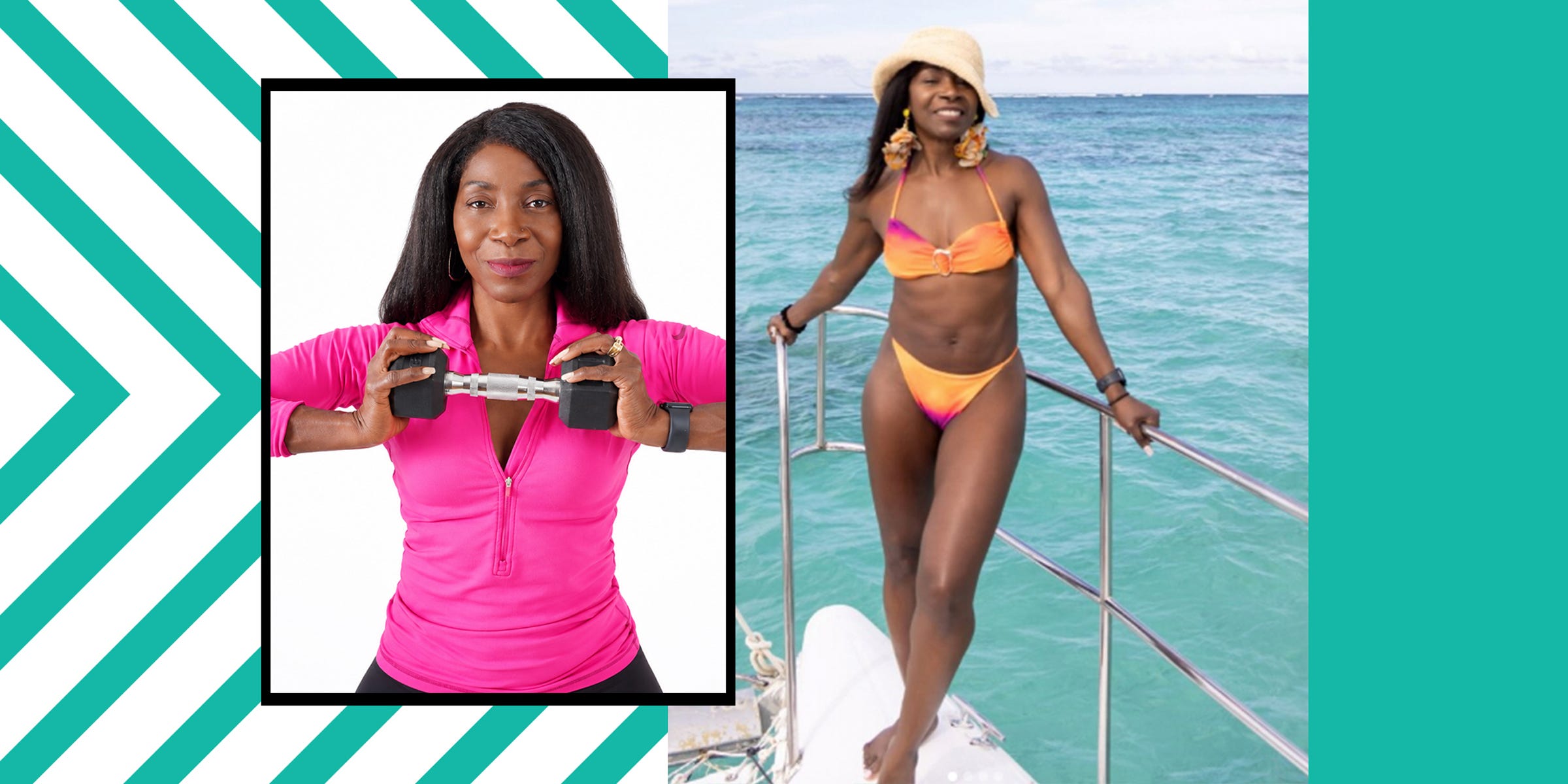
Have you ever noticed how the iron doesn’t quit on you, but your metabolism and energy might start sending you cryptic messages instead? I’ve been on this lifting journey since I was 17, and trust me, the rules of strength training don’t just shift with age—they flip the entire game board when you hit your 40s, 50s, and beyond. Menopause? Perimenopause? They sound like pesky party crashers, but with the right know-how, they don’t have to steal your strength or confidence. In fact, this phase of life can be the ultimate wake-up call to train smarter, eat better, and embrace the power you never knew you had. Ready to toss out the misconceptions and step into a stronger, more empowered version of yourself? Let’s dive into the real talk on building muscle, protecting bones, and keeping your body moving like you mean it, no matter your age. LEARN MORE
 7 min read
I’ve been lifting for most of my life. When I was introduced to strength training at 17, it was love at first sight. It became a constant in my life: I trained through all three of my pregnancies, became a bodybuilding pro in my 40s, and a personal trainer myself.
As I moved through perimenopause and menopause, I began to realize just how different this stage of life felt. The workouts I had done in my 30s and early 40s were no longer sustainable in my 50s and often left me drained. I also noticed that I couldn’t eat the same way I had before, even though I was training consistently. Still, lifting in any capacity gave me a sense of control at a time when my own body was changing in ways I didn’t fully understand.
To gain a bit more knowledge, I decided to pursue a menopause fitness certification, through which I learned more about how hormonal changes can affect body composition, energy, sleep, mood, and confidence. Understanding that these changes were connected to perimenopause and menopause helped me make sense of what I was experiencing. It also made me want to help other women train, eat, and care for themselves in ways that better support what their bodies need now.
Through my work as a trainer, I’ve spent years helping women in all stages of midlife to build strength, improve their health, and feel more confident in their bodies. I want women to understand that menopause is not the end of feeling strong or capable. Instead, it’s the time to become much more intentional about how you take care of yourself. The goal shifts from burning calories to preserving muscle mass, protecting bone density, and maintaining mobility to support the future body you want—all of which support the body and the future you want. That’s a major reason I partnered with Women’s Health to develop the Strong Over 50 workout program.
Still, there are plenty of misconceptions surrounding women in midlife and fitness. It’s time to put those misunderstandings aside. Here’s what I wish women in their 40s, 50s, 60s, and beyond knew about training in midlife.
In your 40s, change your perspective and your priorities.
Start prioritizing strength training.
If you haven’t already, now is the time to learn and get comfortable strength training. Muscle loss begins in your 30s, so your 40s are a crucial time to be proactive about maintaining your strength and preventing further muscle loss before it accelerates. Think of building muscle as an investment in your bone health and independence later.
Shift your mindset around exercise.
Instead of judging your workouts by how much you sweat or how many calories you burn, focus on how exercise will help you build muscle, strength, stamina, balance, and resilience.
For decades, women were taught to think that a “great” workout had to leave them drenched in sweat, exhausted, or with a huge calorie burn. It is still a myth that I work with my clients to overcome—helping them understand that sweat doesn’t equate to building or preserving muscle.
A strength session may not burn as many calories in the moment as an intense cardio workout, but it may be doing something much more valuable for your future health by helping you preserve muscle, decreasing your risk of developing osteoporosis, and making everyday tasks easier. The goal shouldn’t be to feel exhausted after a workout. The goal is to feel empowered and see your body progress, getting stronger and more capable over time.
Recovery is equally as important as the workout.
More exercise is not always better. Sleep and recovery also help your muscles build and repair and determine how well your body adapts to training. Listening to your body and allowing it to recover will help you to stay consistent instead of overdoing it and then stopping altogether.
Consistency goes further than extremes.
Speaking of consistency, find a routine that is doable for you and your schedule. It’s not necessary to train seven days a week to get stronger. You do not need to do hour-long sessions of cardio to get fit. Consistently doing two or three strength workouts each week and 30-minute cardio sessions can be more effective than an aggressive routine you cannot maintain, or that can lead to injury.
Do what you can with the time you have, and do it regularly. A little bit of movement repeated regularly is better than a lot of movement done sporadically.
In your 50s, don’t slow down your gains.
Strength training needs to become a priority, not an option.
I’ll repeat it as much as needed: strength, strength, strength. If you haven’t started, now is the perfect time—and it’s not too late! In our 50s, maintaining muscle becomes increasingly important for metabolism, mobility, bone health, and long-term independence. I encourage women to strength train at least two to three times per week and to progressively challenge themselves rather than staying with the same resistance forever.
Try the Strong Over 50 4-week workout plan now
Focus on training for life, not just appearance. There is nothing wrong with wanting to look good—I do too! But think beyond the scale. Can you get off the floor easily? Can you carry your groceries from the car? Can you climb stairs confidently? Can you catch yourself if you lose your balance? Those are impactful measures of strength. Exercises like squats, hinges, pushes, pulls, carries, and core work prepare your body for real life and daily functioning.
Don’t be afraid to progress your strength.
Women sometimes become afraid to challenge themselves after 50, but your muscles need a reason to adapt. That may mean gradually increasing resistance, repetitions, range of motion, or difficulty over time. You can start with light weights, but the goal is not to stay there. You can
progress safely without pushing yourself to exhaustion or being in fear of injury.
If you are nervous to progress your weights on your own, find a personal trainer or a lifting buddy to help you. Strength is more easily found together.
Menopause may change your strategy, but it does not prevent your ability to get stronger.
Yes, menopause can cause changes to your body composition, recovery, sleep, and energy, but it is not a reason to give up on strength. Use it as a reason to train smarter, prioritize recovery, nourish adequately, and become more intentional about preserving muscle.
However, if you are going through menopause and experiencing major side effects, you are allowed to adjust. This is where flexibility (and giving yourself some grace) becomes important. During menopause, energy, sleep, recovery, and motivation can fluctuate, so I encourage women to listen to their bodies and adjust their workouts rather than automatically adopting a “push through” mindset.
The goal is to modify the workout without abandoning the habit. On a low-energy day, you might shorten a strength session, use lighter resistance, reduce the number of sets, or choose mobility work or walking instead. A lower-intensity session can still support consistency without placing unnecessary stress on the body when you’re not at your best.
The key is learning the difference between normal training discomfort and a true need for recovery. Menopause does not mean you should stop challenging yourself, but it may require you to become more responsive to how you feel from day to day.
If symptoms such as severe fatigue, weakness, dizziness, or ongoing sleep problems are significant and affecting your day-to-day, I encourage women to speak with their physician rather than simply trying to push through them. Exercise should support your health and wellness, not work against it.
In your 60s and beyond, focus on the big picture.
Remember that it’s never too late to become stronger.
One of the biggest misconceptions I hear is, “I’m too old to start.” You are not. Women can improve strength, balance, mobility, and confidence well into their 60s, 70s, 80s, and beyond. I have a client who is strong at 83 and thrives in the weight room. The starting point and the goals may look different, but progress is always achievable.
In your 60s, preserving strength is about maintaining your ability to live and enjoy life on your terms. It’s the time to enjoy your retirement with vitality. Getting out of a chair, climbing stairs, lifting a suitcase, traveling, gardening, or playing with grandchildren all require strength. Train to maintain independence in living your life.
Balance, coordination, and power are also important.
Strength training is important, but balance, coordination, and the ability to react quickly are just as crucial. In our 60s and beyond, a fall can have serious consequences such as fractures or sprains that can limit your mobility. Your training should include exercises to help you stay steady on your feet and navigate everyday life with confidence, like single-leg exercises, plyometrics, and agility movements.
It’s okay to modify a workout without compromising the goal.
Pain from arthritis, previous injuries, or physical limitations may require modifications, but they don’t have to stop you from strength training. If dumbbell squats are too challenging, do a sit-to-stand to build lower body strength. There is always a way to adjust the movement to allow you to build strength safely.
The bottom line.
Your workouts should help you live better, not simply make you exhausted.
I want every woman to embrace strength training for what it can add to her life, not as punishment for what you ate or a way to make your body smaller. The goal is not “no pain, no gain”; the goal is to build a body that supports you for years to come.
Lastly, don’t underestimate what your body is capable of. I often remind the women I coach: We can do hard things. Aging doesn’t mean expecting less from yourself; it means being more intentional about building strength so you can live confidently and independently tomorrow. Strength training is your investment in your future self.
Ashley Martens, C.S.C.S. is a wellness writer based in Chicago. With a lifelong passion for all things health and wellness, Ashley enjoys writing about topics to help people live happier and healthier lives. With a foundation in fitness, food, and nutrition, Ashley covers it all including sexual health and travel topics. Ashley is also a NASM-certified personal trainer and group fitness instructor.

CELSIUS PEACH VIBE Sparkling White Peach, Sugar Free Energy Drink, 12 Fl Oz (Pack of 12)
$19.98 (as of September 28, 2026 03:05 GMT +00:00 - More infoProduct prices and availability are accurate as of the date/time indicated and are subject to change. Any price and availability information displayed on [relevant Amazon Site(s), as applicable] at the time of purchase will apply to the purchase of this product.)
Ring Wired Doorbell 2K Plus (Newest Model) — Retinal 2K with wide-angle video, 6x Enhanced Zoom, and Night Vision, Nickel Silver
$89.99 (as of September 28, 2026 03:26 GMT +00:00 - More infoProduct prices and availability are accurate as of the date/time indicated and are subject to change. Any price and availability information displayed on [relevant Amazon Site(s), as applicable] at the time of purchase will apply to the purchase of this product.)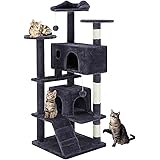
Aidoly 54 Inch Cat Tree Tower with Sisal Scratching Posts | Multi-Level Cat Tower with Climbing Ladder, Play Toy Balls House for Indoor Cats, Grey
$36.89 (as of September 28, 2026 03:12 GMT +00:00 - More infoProduct prices and availability are accurate as of the date/time indicated and are subject to change. Any price and availability information displayed on [relevant Amazon Site(s), as applicable] at the time of purchase will apply to the purchase of this product.)
XIAOWTEK Wireless Earbuds, 2026 Bluetooth 5.4 Headphones Bass Stereo Ear Buds with Noise Cancelling Mic, LED Display in Ear Earphones 50H Playtime Ear Buds, IP7 Waterproof for Laptop Pad Phones Black
$19.99 (as of September 28, 2026 03:26 GMT +00:00 - More infoProduct prices and availability are accurate as of the date/time indicated and are subject to change. Any price and availability information displayed on [relevant Amazon Site(s), as applicable] at the time of purchase will apply to the purchase of this product.)












Post Comment