
ECB’s Bold Experiment: Will AI Agents Actually Control Your Digital Euros Next?
Imagine telling your AI assistant to pay your electricity bill, and—poof!—it just does it, no hassle, no finger lifted. Sounds like something out of a sci-fi flick, right? Well, buckle up, because the European Central Bank (ECB) is gearing up to turn that into reality with their digital euro initiative. Just a month ago, they threw down the gauntlet, saying they want the digital euro to be “fit for the future.” Now, they’re diving headfirst into the AI pool to test what that future really looks like, inviting fintech innovators to cook up some wild prototypes—from digital receipts to AI-driven micropayments and even machines paying each other autonomously. It’s a bold move, signaling a seismic shift not just in how we pay, but how money itself interacts with us—and with tech. Intrigued? You’re not alone—the stakes are high, and ECB President Christine Lagarde is making sure the digital euro has room to breathe, reportedly even nudging Binance aside to keep competing stablecoins in check. The playground for tomorrow’s cash is being built today, and it’s one heck of a show. LEARN MORE
Imagine telling an AI assistant to pay your electricity bill, and it just does it, without you lifting a finger. That’s what the European Central Bank is now looking to do!
A month ago, the ECB said it wanted the digital euro to be “fit for the future.” Introducing AI is a way to find out what that future actually looks like.
What the ECB wants to build
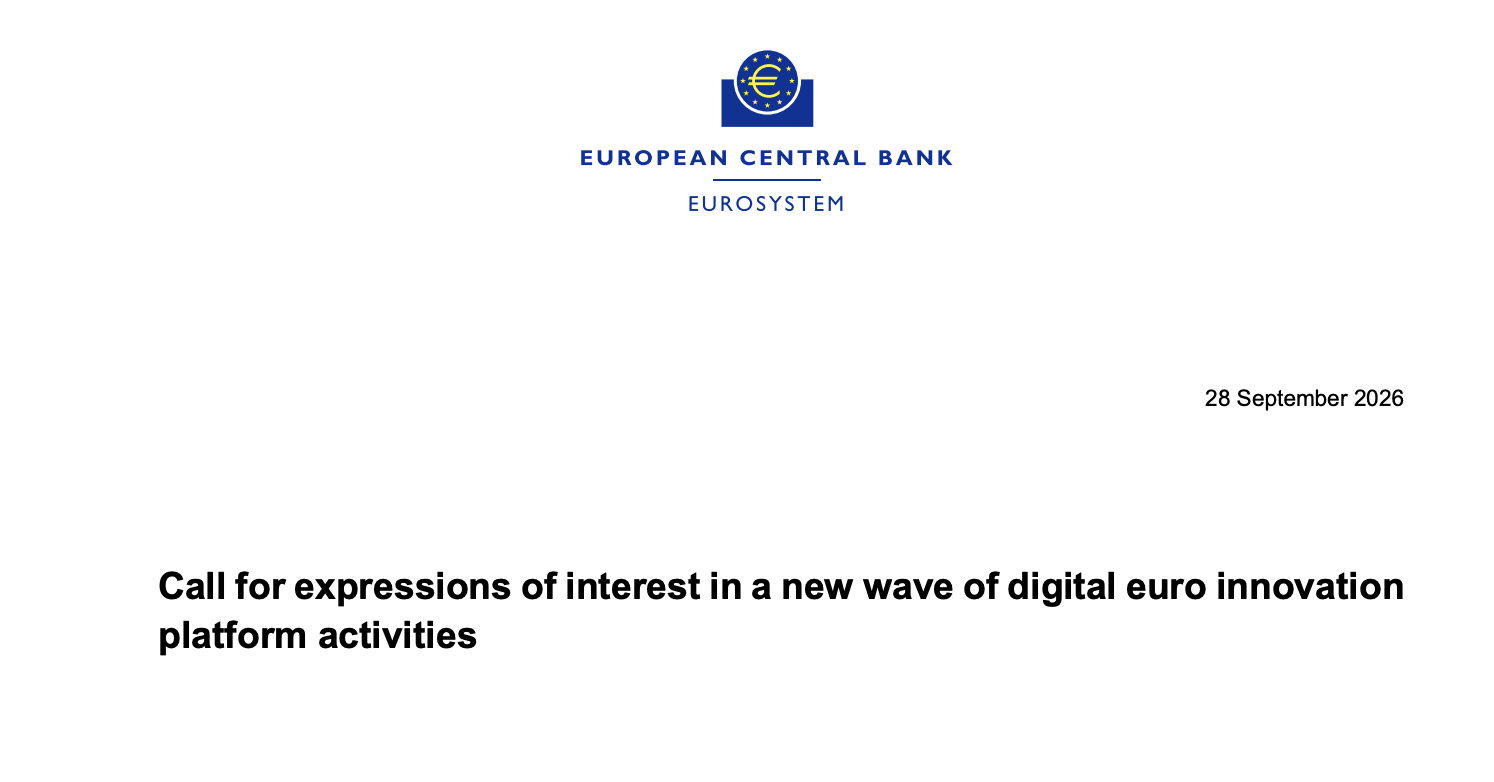
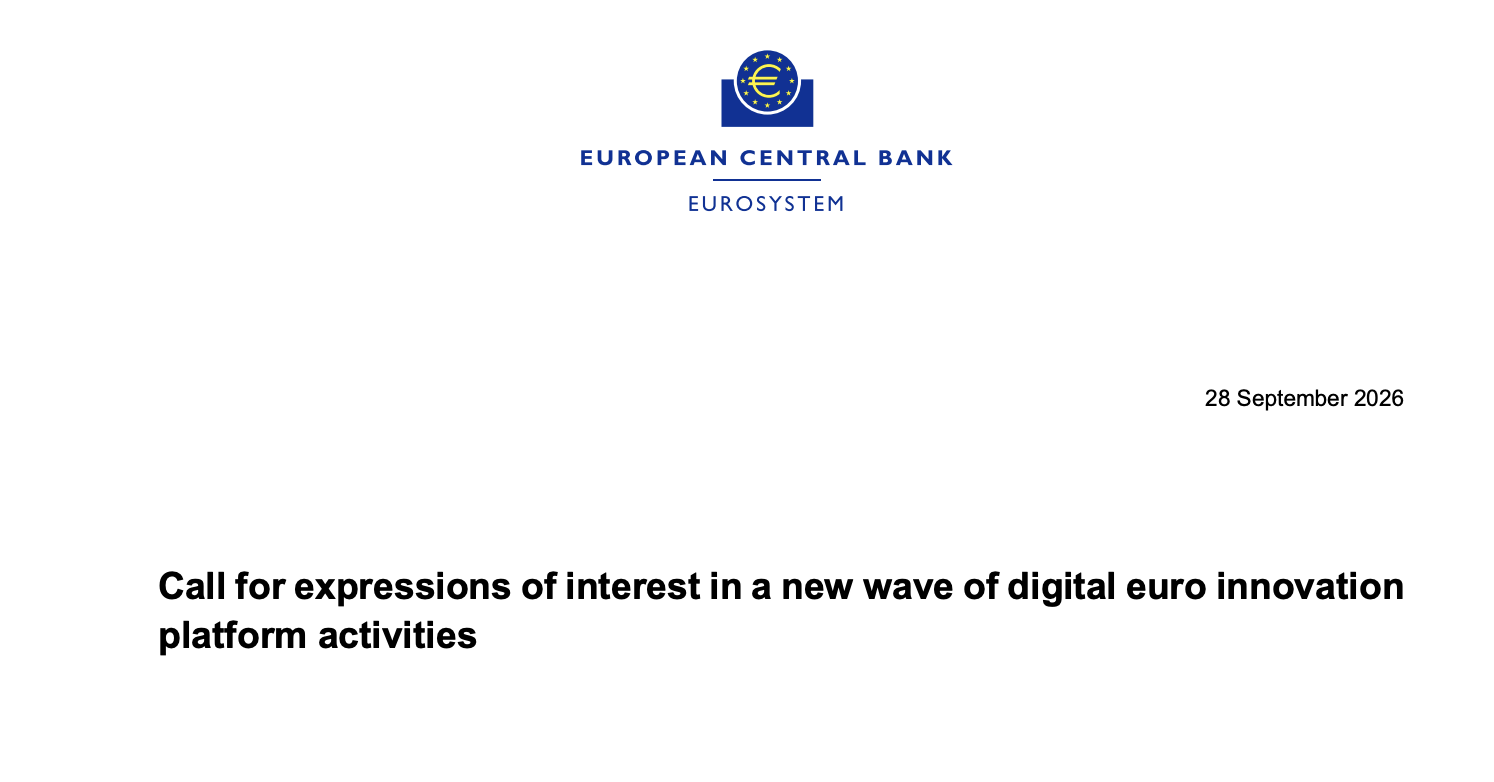
Applications were opened by the ECB on September 28 for the latest round of its digital euro innovation platform.
They’re encouraging fintech companies and payment firms to apply, and the work is split into two parts.
They want fintech companies and payment firms to apply, and the work is split into two parts.
For the first part, from January to June 2027, those participating will build prototypes of features the digital euro could offer one day. These features include digital receipts, payments involving a lot of people, and payments that only go through when certain conditions are met.
Some will also work on how the digital euro looks and feels on the user’s end.
The second part is more about the long game.
There’ll be workshops in the first half of 2027, and this is where the AI angle comes in. Participants will talk through AI-driven payments, micropayments, machines paying each other without a human in the loop. They could also demonstrate how the digital euro could work for things like public services.
Some of them will be picked to present at the ECB’s headquarters in Frankfurt. Whatever comes out of all this will improve the digital euro down the line.
Did Lagarde block Binance’s MiCA license?
AMBCrypto previously reported that the ECB may be doing more than just building the digital euro.
ECB President Christine Lagarde reportedly stepped in to stop Binance from getting its MiCA license. The worry was that crypto exchanges are pushing people toward dollar-backed stablecoins, which could hurt the digital euro before it even launches.
The CBDC is reported to be set for a pilot from mid-2027 and a full rollout in 2029.
While the ECB invites players to scale AI payments, it’s also watching closely who else gets to sit with them.
Final Summary
- The ECB is inviting companies to test AI-driven digital euro payments from January to June 2027.
- ECB President Lagarde reportedly blocked Binance’s MiCA license to protect the digital euro.

Amazon Basics Leak-Proof Dog and Puppy Potty Training Pee Pads with Quick-Dry 5-Layer Super Absorbent Design, Regular Size 22 x 22 inch, Blue & White, 100 Count
$19.20 (as of September 29, 2026 03:06 GMT +00:00 - More infoProduct prices and availability are accurate as of the date/time indicated and are subject to change. Any price and availability information displayed on [relevant Amazon Site(s), as applicable] at the time of purchase will apply to the purchase of this product.)
Pipishell Full Motion TV Wall Mount for Echo Show 21/15 and 13-43 Inch Flat Curved Screen TVs & Monitors, Max VESA 200x200mm up to 44lbs, TV Mount Wall Bracket with Rotation Swivel Tilt Extension
$15.98 (as of September 29, 2026 03:17 GMT +00:00 - More infoProduct prices and availability are accurate as of the date/time indicated and are subject to change. Any price and availability information displayed on [relevant Amazon Site(s), as applicable] at the time of purchase will apply to the purchase of this product.)
Ulvixar Vibrating Alarm Watch for Heavy Sleepers,Silent Wake up Alarm Wrist | Powerful Wrist Vibrating Alarm,For Hearing impaired,20-Day Battery,Comfort Silicone Loop,Ideal For Couples,Shared Space,Dorms
$23.99 (as of September 29, 2026 03:26 GMT +00:00 - More infoProduct prices and availability are accurate as of the date/time indicated and are subject to change. Any price and availability information displayed on [relevant Amazon Site(s), as applicable] at the time of purchase will apply to the purchase of this product.)
Nespresso Capsules Vertuo, Variety Pack, Medium and Dark Roast Coffee, 30 Count Coffee Pods, Brews 7.8 oz.
$42.00 (as of September 29, 2026 03:05 GMT +00:00 - More infoProduct prices and availability are accurate as of the date/time indicated and are subject to change. Any price and availability information displayed on [relevant Amazon Site(s), as applicable] at the time of purchase will apply to the purchase of this product.)











Post Comment