
Inside EDGE Markets: The Secret Engine Powering the Explosive Rise of Prediction Markets—And Why Investors Can’t Afford to Ignore It
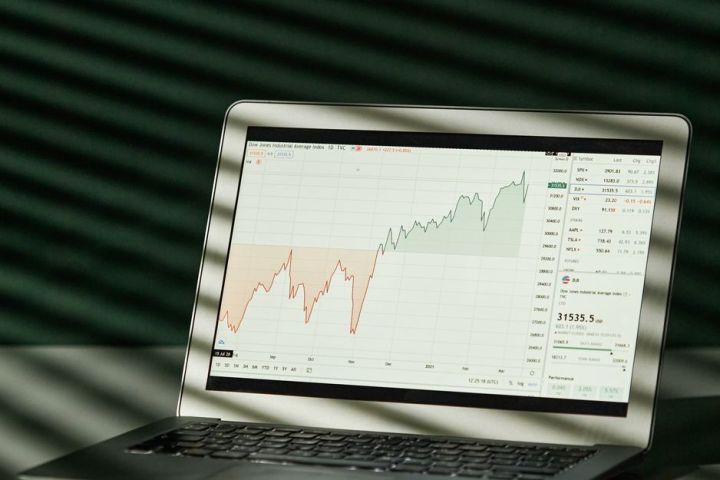
Ever wonder what really powers prediction markets beyond the flashy headlines about elections, sports outcomes, or those nerve-wracking Fed decisions? It’s not just the bets themselves — the untold story is the flow of capital surging underneath, the unseen rails quietly building the future of this explosive market. Prediction markets are no longer a niche playground; they’re evolving into a sprawling financial frontier crossing crypto, politics, and economy. But here’s the kicker: as this vibrant ecosystem grows, it’s not demand that’s the hang-up — it’s the plumbing. Yes, moving money efficiently, seamlessly, and in real time is the real challenge. Imagine traders parked six-figure sums across fragmented venues, shackled by stale, slow-moving capital just waiting for the wheels to turn. That’s dead money taxing the entire system. The race to build futuristic financial infrastructure—real-time payment engines, institutional banking solutions, settlement layers—is on. This quiet revolution could decide who truly scales in the prediction market boom. Curious to know who’s behind this financial backbone and how the game is changing? Let’s dive deep. LEARN MORE

Key Takeaways
- Prediction markets are expanding beyond niche event betting into a broader market category spanning sports, crypto, politics, and economic events.
- As prediction-market activity grows, moving and settling capital efficiently becomes an important infrastructure challenge for traders and market makers.
- Fragmented venues can require traders to keep significant amounts of capital pre-funded across multiple accounts, creating inefficient idle collateral.
- New financial infrastructure companies are developing real-time payment, banking, and settlement solutions designed to support prediction-market participants.
- The development of reliable capital rails could become an important factor in determining how efficiently prediction markets scale as the regulatory framework evolves.
The headlines about prediction markets are about the bets: the election, the game, the Fed decision. The more durable story is about the money moving underneath them, and who is building the rails it moves on.

The numbers behind the noise
The growth is real. Wall Street broker Bernstein estimates prediction-market volume rose from about $51 billion in 2025 toward $240 billion in 2026, on the way to $1 trillion by 2030, implying roughly 80% compound annual growth, as the category shifts from niche bets to a broad information market across sports, crypto, politics, and the economy. Regulators are catching up: in June 2026 the CFTC issued a proposed framework for event contracts on registered exchanges, the clearest signal yet that prediction markets are becoming durable financial infrastructure rather than a novelty.
Why the bottleneck is plumbing, not demand
Demand is abundant. Moving the money is the hard part. Prediction markets never close, but the banking system behind them still runs on business hours. Above a few thousand dollars, there is no clean way to move funds on a weekend; wires sit until Monday. And as the market fragments across more venues, capital gets stranded: a trader may need six figures pre-funded in each of several accounts just to stay ready, money that sits idle as collateral instead of working. Dead capital, in the trader’s phrase, is the tax a fragmenting market imposes.
Follow the capital
The clearest evidence that infrastructure is the real story is where the fundraising is going. In June 2026, EDGE Markets closed a $29.2 million Series A led by CoinFund, with participation from Indicator Ventures, Mantis VC, StepStone Group, and Bullpen Capital, to build real-time rails and an institutional banking-and-settlement product for market makers. CoinFund’s stated thesis in backing the round was blunt: the emergence of prediction markets is creating demand for infrastructure that can move capital in real time and serve as a settlement layer for a new class of markets.
This is the picks-and-shovels bet. A company like EDGE sits one layer below the exchanges, building the financial infrastructure for prediction markets: the rails that move money instantly, only between regulated venues, and settle after execution so capital does not have to sit everywhere in advance. Its institutional registrations remain pending, and the category is early. But the pattern is familiar. In every fast market, the exchanges get the headlines and the rails decide who scales.
The bottom line
Prediction markets will keep generating the storylines. The quieter contest, over who moves the capital underneath them in real time and within the rules, is the one that determines how big the category actually gets.

FAQs
Why is financial infrastructure important for prediction markets?
Prediction markets can operate continuously, while traditional banking and settlement systems may operate on schedules that create delays in moving capital. Faster infrastructure can help traders and market makers access and settle funds more efficiently.
What is the problem with fragmented prediction markets?
When trading activity is spread across multiple venues, participants may need to keep capital available in several accounts at the same time. This can leave significant amounts of money tied up as idle collateral instead of being used elsewhere.
What are financial infrastructure companies building for prediction markets?
Infrastructure providers are developing systems for real-time capital movement, institutional banking, and settlement between regulated venues. These services are intended to reduce friction around funding and settling prediction-market transactions.
How could prediction markets become a larger financial category?
Continued growth will depend not only on demand but also on the infrastructure needed to move capital efficiently and support market participants at greater scale. Regulatory developments, institutional participation, and improved settlement systems could all influence how the category develops.
What role does regulation play in prediction-market infrastructure?
Regulatory frameworks can establish the rules under which event contracts and related financial services operate. As regulators develop clearer requirements, infrastructure providers may have a more defined environment in which to build banking, settlement, and capital-movement services.

Amazon Echo Show 5 (newest model), Smart display, Designed for Alexa+, 2x the bass and clearer sound, Charcoal
$59.99 (as of October 5, 2026 03:10 GMT +00:00 - More infoProduct prices and availability are accurate as of the date/time indicated and are subject to change. Any price and availability information displayed on [relevant Amazon Site(s), as applicable] at the time of purchase will apply to the purchase of this product.)
Propel, Kiwi Strawberry, Zero Calorie Sports Drinking Water with Electrolytes and Vitamins C&E, 16.9 Fl Oz (12 Count)
$9.97 (as of October 5, 2026 03:06 GMT +00:00 - More infoProduct prices and availability are accurate as of the date/time indicated and are subject to change. Any price and availability information displayed on [relevant Amazon Site(s), as applicable] at the time of purchase will apply to the purchase of this product.)
Amazon Fire HD 10 tablet, built for relaxation, 10.1" vibrant Full HD screen, octa-core processor, 4 GB RAM, 32 GB, Black
$72.99 (as of October 5, 2026 03:19 GMT +00:00 - More infoProduct prices and availability are accurate as of the date/time indicated and are subject to change. Any price and availability information displayed on [relevant Amazon Site(s), as applicable] at the time of purchase will apply to the purchase of this product.)
Dog Dental Wipes for Teeth Cleaning, Finger Toothbrush Wipes for Dogs Cats,Dog Teeth Cleaning Wipes Reduce Bad Breath & Plaque Tartar, No-Rinse Daily Oral Care,Dog Toothbrush & Toothpaste Alternatives
$15.96 (as of October 5, 2026 03:14 GMT +00:00 - More infoProduct prices and availability are accurate as of the date/time indicated and are subject to change. Any price and availability information displayed on [relevant Amazon Site(s), as applicable] at the time of purchase will apply to the purchase of this product.)














Post Comment