
Is This NMN Supplement the Hidden Secret to Zap Menopausal Brain Fog Once and for All?

Ever found yourself wandering into the kitchen on a mission — only to stand there, totally blanking on why you came? Yeah, been there, done that. That mysterious “brain fog” fogginess making words vanish mid-sentence is no figment of your imagination, especially if you’re navigating perimenopause or menopause. So what’s actually going on upstairs? Turns out, there’s more at play than just hot flashes and mood swings. Our brain’s little energy factories — mitochondria — start to sputter when hormones like estradiol and progesterone swing outta whack, leaving us scratching our heads way too often. But here’s the kicker: could popping an NMN supplement be the secret sauce to clearing out that cloudy haze? I chatted with Felice Gersh, MD, a top integrative gynecologist, who drops some serious truth on how fueling those cellular power plants might just sharpen your mental game again. Intrigued yet? Dive in and let’s unravel the fog together. LEARN MORE

You walk into the kitchen with purpose and then stand there, blinking, trying to remember why. Mid-sentence, the word you need simply… disappears. If this sounds familiar, you’re not losing it. Brain fog is one of the most common complaints women report during perimenopause and menopause, and lately a lot of us are asking the same question: Can an NMN supplement actually help? For answers, we turned to Felice Gersh, MD, a board-certified integrative gynecologist and founder of the Integrative Medical Group of Irvine.
Why brain fog spikes during menopause
Your brain is a huge energy consumer, and the little power plants inside your cells called mitochondria depend on steady hormonal signaling to run smoothly. When estradiol and progesterone start to fluctuate or dip during the menopause transition, a lot more than hot flashes can shift.
“As estradiol and progesterone fluctuate or dip, mitochondrial function, vascular health, sleep, inflammation and the gut microbiome can be affected,” Dr. Gersh explains. “Together, these changes can contribute to that familiar foggy feeling.” In other words, there’s a real biological reason you can’t find your keys for the third time this week, and understanding it is the first step toward feeling sharper in middle age and beyond.
What exactly is NMN?
NMN is short for nicotinamide mononucleotide. It’s a precursor to NAD+, a molecule your mitochondria rely on to produce energy. The catch? “Levels of NAD+ tend to decline with age and can be depleted by inflammation,” Dr. Gersh reveals. That’s where NMN supplements come in.
Dr. Gersh says she often recommends an NMN supplement as part of a broader mitochondrial-support strategy for women navigating midlife changes. Think of it as giving those cellular power plants a little extra fuel to do what they’re designed to do, including help power the brain.
How to add an NMN supplement to your routine
Before you start taking an NMN supplement, Dr. Gersh encourages women to first shore up the basics—because no pill works as well as it could without a strong lifestyle foundation underneath it. She recommends prioritizing:
- Quality sleep, the kind that actually restores you
- Aerobic exercise and resistance training, both of which matter for brain and body, especially for older adults
- A fiber-rich, plant-forward diet that supports a healthy gut
Then, you can layer in an NMN supplement with your physician’s okay. Your doctor may also consider other mitochondrial supplements such as ubiquinol, urolithin A or acetyl-L-carnitine, Dr. Gersh adds. “ always screen for problems such as thyroid dysfunction or iron deficiency,” which can masquerade as menopausal brain fog.
And don’t forget hormones themselves. “Talk to your doctor about menopausal hormone therapy to support brain health as you age,” Dr. Gersh says. It’s a conversation worth having rather than assuming you have to tough it out in the long term.
When to call your doctor about brain fog
As tempting as it is to brush off forgetfulness as “just menopause,” don’t write it off completely, Dr. Gersh advises. “Persistent or worsening cognitive changes should always be medically evaluated.” Your peace of mind is worth the appointment.
The good news? Brain fog during menopause is common and increasingly manageable. With the right support team, a few smart lifestyle shifts and a thoughtful conversation about whether something like an NMN supplement belongs in your routine, you can start feeling more like yourself again. See more from Dr. Gersh on Instagram.
A version of this story appears in the October 19, 2026, issue of Woman’s World.
Ready for more inspiration? Subscribe to our YouTube channel for video podcasts, health tips and uplifting stories designed for women 40, 50, 60 and beyond.
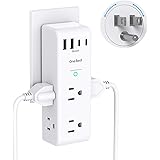
Surge Protector Outlet Extender with Rotating Plug, Multi Plug Wall Outlet | 6 AC Outlet Splitter 4 USB Ports (2 USB C),1800J USB Wall Charger, Plug Adapter Power Strip for Home Office Dorm Room Travel
$9.99 (as of October 6, 2026 03:19 GMT +00:00 - More infoProduct prices and availability are accurate as of the date/time indicated and are subject to change. Any price and availability information displayed on [relevant Amazon Site(s), as applicable] at the time of purchase will apply to the purchase of this product.)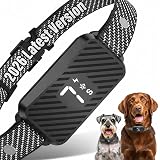
KJKZO Dog Bark Collar for Large Medium Small Dogs, Effective No-Bark Collar, Smart Barking Collar, Rechargeable Bark Collar with 7 Sensitivity, 3 Modes, Waterproof, Frosted Black
$25.99 (as of October 6, 2026 03:19 GMT +00:00 - More infoProduct prices and availability are accurate as of the date/time indicated and are subject to change. Any price and availability information displayed on [relevant Amazon Site(s), as applicable] at the time of purchase will apply to the purchase of this product.)
30 PCS Cable Organizer for Desktop, Data Cable Management Ties, Wire & Network Routing Fixer
$2.70 (as of October 6, 2026 03:27 GMT +00:00 - More infoProduct prices and availability are accurate as of the date/time indicated and are subject to change. Any price and availability information displayed on [relevant Amazon Site(s), as applicable] at the time of purchase will apply to the purchase of this product.)
Earth Rated Dog Poop Bags on Refill Rolls, 270 Bags, Lavender | Guaranteed Leak Proof and Extra Thick Waste Bag Refill Rolls
$14.99 (as of October 6, 2026 03:10 GMT +00:00 - More infoProduct prices and availability are accurate as of the date/time indicated and are subject to change. Any price and availability information displayed on [relevant Amazon Site(s), as applicable] at the time of purchase will apply to the purchase of this product.)













Post Comment