
Why Stephen King’s ‘Carrie’ Still Scares the Hell Out of Readers—And Why You Should NEVER Read It Alone!
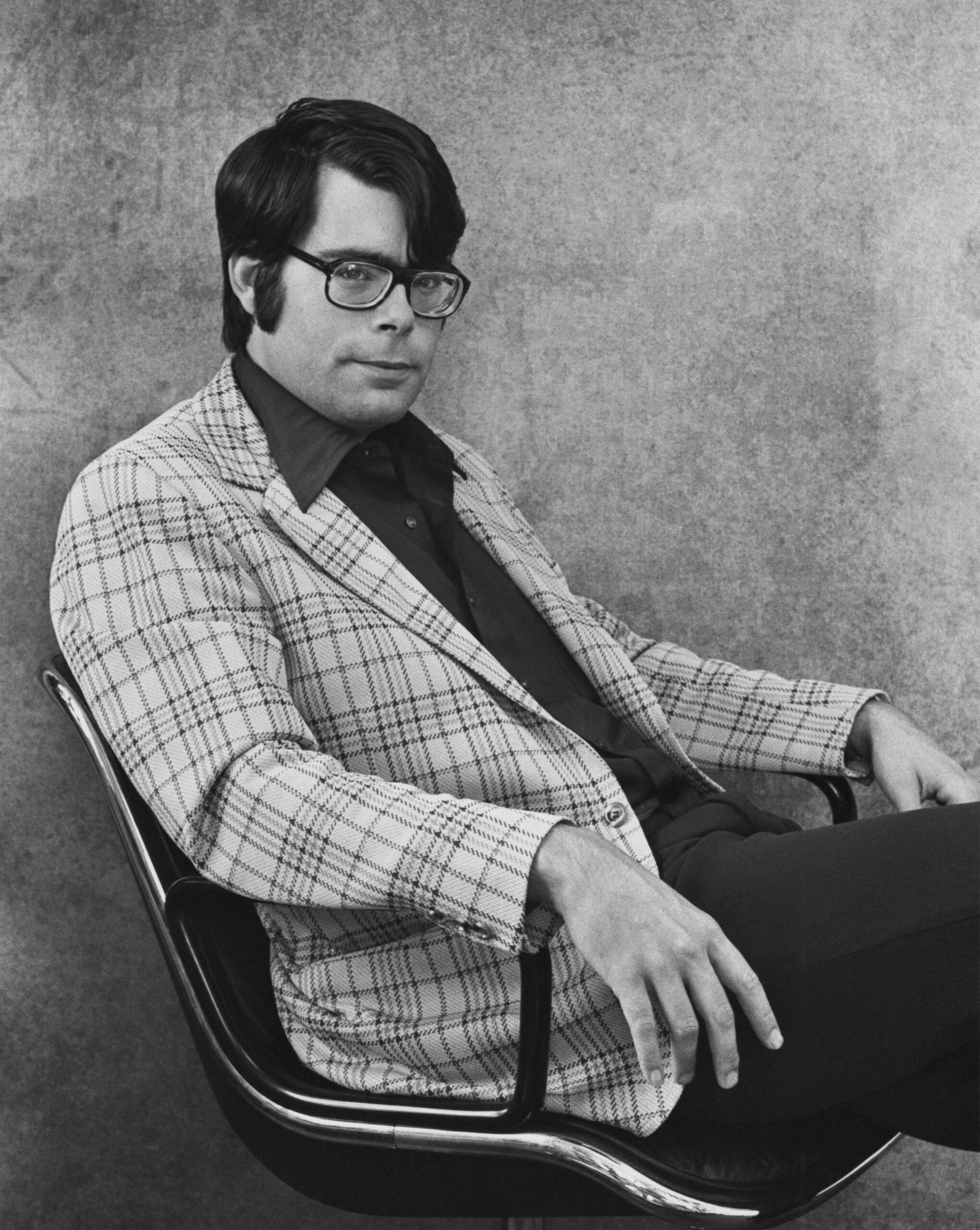
Ever wonder what it was like to pick up a Stephen King novel before his name was synonymous with spine-chilling horror and characters so real they haunt your thoughts? Hard to picture, right? Nowadays, just seeing his name on a book promises a rollercoaster of terror, suspense, and heart-wrenching storytelling—but back in the spring of 1974, Stephen King was just a 26-year-old high school English teacher from Maine with a curious little novel about a girl who could, well, move things with her mind. No big franchises, no blockbuster movies, just a fresh voice dipping a toe into the literary waters. So when critics first laid eyes on Carrie, what did they make of this newcomer? Surprisingly, many spotted the flickers of brilliance that would go on to define King’s decades-long reign as the master of modern horror. It’s fascinating to peel back the layers and see the very beginnings of a storytelling juggernaut—not to mention imagine the bewilderment of King himself as his world suddenly shifted from laundry shifts to literary sensation. Curious to dive deeper? LEARN MORE.
It’s nearly impossible to imagine a time when readers didn’t know what they were getting when they picked up a Stephen King novel. Today, his name alone promises something. Horror, certainly, but also ordinary people placed in extraordinary circumstances, troubled children and teenagers, small towns hiding terrible secrets, characters whose thoughts can be as frightening as anything lurking outside them and, frequently, an ability to make readers care deeply about people before putting them through hell.
But in the spring of 1974, none of that existed yet. Stephen King was a 26-year-old high school English teacher from Maine whose first novel, Carrie, was being published by Doubleday. There was no ’Salem’s Lot, The Shining, The Stand, It or Misery. There wasn’t even a Brian De Palma movie to help define Carrie White in the popular imagination. There was simply a new writer and his strange little novel about a tormented teenage girl who could move things with her mind.
So what did critics make of Stephen King when they encountered him for the first time? Remarkably, quite a few of them saw things that would come to define his writing for the next half-century.
Even King wasn’t quite sure what was happening
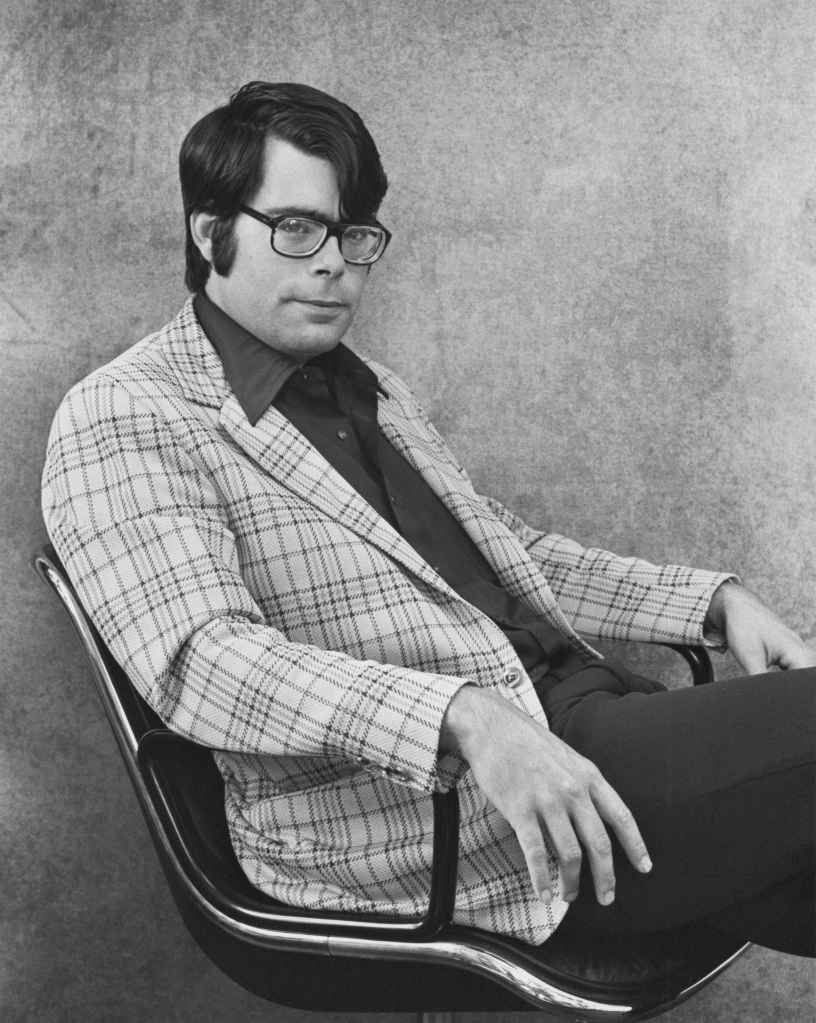
Just before Carrie reached bookstores, King was already experiencing something almost unheard of for a first-time novelist. Paperback rights had sold for an astonishing $400,000, instantly changing the financial circumstances of a young writer who had struggled to support his family while teaching and writing.
In a March 29, 1974 interview with Mary Nickerson of the Evening Express, King seemed slightly bewildered by the attention. “I think Carrie’s success is due to the trendy material it deals with,” he said. “I just wrote about what interested me.” He was even more candid about the money: “I am still uncomfortable with the book’s financial success.”
This was obviously someone who hadn’t spent his life expecting fame to arrive. After graduating from the University of Maine in 1970, “I couldn’t get a job teaching, so I went to work in a laundry—a great place to think,” he recalled. “I still get some of my best ideas at the laundromat.”
And waiting in the wings was another Doubleday novel, then known as Jerusalem’s Lot, described in Nickerson’s article simply as “a horror story about vampires in a small Maine town.”
Stephen King’s career was beginning, although nobody yet knew what that would mean.
Critics begin to discover King
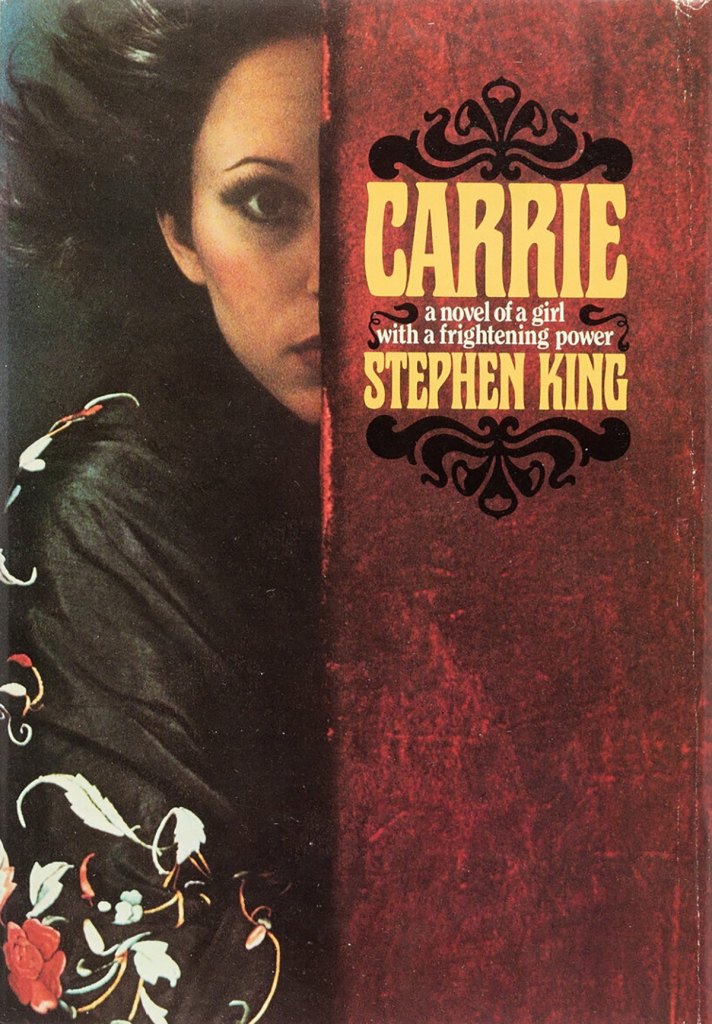
One of the earliest reviews came from Susan Welch in the Star Tribune on April 7, just two days after Carrie was published. She wasn’t merely impressed by the premise, but the man writing it as well. “Through clever dialogue, crackling descriptions and a deep affinity for sadistic motivation, Stephen King has transcended his gimmick and put together in Carrie a taut, engrossing novel.”
Read more than 50 years later, it’s a fascinating assessment. With only one King novel available, Welch was already pointing toward his dialogue, descriptive abilities and fascination with the darker impulses of seemingly ordinary people.
Other reviewers were responding to something that would become equally important to King’s success: Carrie was difficult to stop reading. The Chicago Tribune described the story as “Hard to believe but almost as hard to put down,” while the Fort Worth Star-Telegram offered a considerably more colorful warning.
“A Cinderella story turned nightmare, it gradually builds to a climax guaranteed to make your blood run cold,” the paper declared. “Don’t read it late at night if you’re alone in the house. The last 50 pages are enough to make John Wayne sleep with a night light.”
More than a horror story
Perhaps more interesting are the reviewers who realized that King’s achievement wasn’t simply making Carrie frightening. Jimmie Oliver Fleming of the South Bend Tribune had reservations about this newcomer. “Although his style is somewhat awkward,” she wrote, “it is quite effective. Some of his characters elude you, others stick in your mind and cry out.”
But Fleming recognized something crucial about Carrie herself. “There is much more to ‘Carrie’ than her frightening power,” she concluded. “At the hand of Mr. King, she is also unforgettable—a pathetic ‘creature’ evoking sympathy.”
That ability to generate sympathy for outsiders, damaged people and even characters capable of horrifying acts would become one of King’s signatures. Fleming was seeing it in his very first book.
But Bobby Mather of the Detroit Free Press spotted something else that now seems almost prophetic. “King, a schoolteacher, knows his teenagers,” he wrote, also praising the author’s research into telekinesis.
Decades before It and the Losers’ Club became cultural touchstones, before the young protagonists of The Body reached the screen in Stand by Me, and long before generations of readers praised King’s ability to remember what it felt like to be young, a critic reading his debut novel had already noticed it.
Ina Bonds, reviewing Carrie for the Daily Times-Advocate on June 16, provided one of the most detailed examinations of King’s technique. She praised the apparent research behind the telekinesis while questioning King’s understanding of aspects of the female body, but her larger assessment of the first-time novelist was enthusiastic.
“For a first novel, however, Carrie is an admirable achievement, particularly in light of the surprising and unusual subject matter as well as King’s fascinating story development.”
Then she identified something even more revealing: “King also has a clever way of weaving characters’ thoughts into the narrative in such a way as to let the reader feel their emotions as the story progresses.”
Bonds ultimately pronounced the novel “engrossing, very readable and difficult to put down until you’ve finished.”
Again, remove King’s name and consider what she’s describing: a writer capable of pulling readers inside his characters’ minds, making them feel what those characters feel and keeping them turning pages. Stephen King, it rapidly becomes apparent, was already beginning to sound like Stephen King.
Not everyone was convinced
Which doesn’t mean critics immediately recognized the arrival of a master. A June 28 review in Canada’s Star-Phoenix was considerably tougher, the critic regarding the opening portions of Carrie as “simple melodrama,” filled with “childish occurrences and rather immature development.”
Yet something happened as the reviewer continued reading. “The entire mood changes in King’s description of the disaster which occurred after Carrie was insulted for a final time,” the critic wrote. “King fairly revels in the details of calamity piled on calamity.”
The reviewer also admired King’s pseudo-documentary technique, in which excerpts from fictional books and official reports interrupt the narrative, giving credibility to an otherwise fantastic story. Ultimately, though, the verdict remained decidedly mixed: “In his first novel, Stephen King achieves a blend of success and mediocrity, climaxing in a holocaust of flaming destruction.”
In retrospect, that’s almost as interesting as the raves. King wasn’t instantly greeted as a literary phenomenon. Critics saw weaknesses as well as considerable promise.
By September, Carrie was still attracting newspaper attention. William Wolfe of The Columbus Ledger ended his review with a simple declaration: “This is Stephen King’s first novel. It’s the most chillingly fascinating story I’ve read lately.”
Nobody reviewing Carrie in 1974 could have known what was coming. They couldn’t know that Jerusalem’s Lot would become ’Salem’s Lot, or that the young Maine schoolteacher would produce dozens of novels and become one of the world’s most recognizable writers. They couldn’t know that Carrie itself would become a movie, a sequel, a Broadway musical and the source of multiple screen adaptations, including the just-launched Prime Video series.
All they could judge was the book sitting in front of them, and that’s what makes those original reviews so fascinating today. Some critics thought King was awkward and immature while others couldn’t put the book down. Some were knocked out by the horror, but look a little more closely at what they were saying and something else emerges.
They noticed the dialogue, characters, teenagers, outsiders, research, interior thoughts, the emotional empathy, escalating dread, the explosive set pieces and, above all, the compulsion to keep turning the pages.
In 1974, critics couldn’t possibly have known what Stephen King was going to become, but reading their words half a century later, you can see that Stephen King himself was already there.

Core Power Fairlife 26g Protein Milk Shakes, Liquid Ready To Drink for Workout Recovery, Chocolate, 14 Fl Oz Bottle (Pack of 12)
$29.31 (as of October 8, 2026 03:07 GMT +00:00 - More infoProduct prices and availability are accurate as of the date/time indicated and are subject to change. Any price and availability information displayed on [relevant Amazon Site(s), as applicable] at the time of purchase will apply to the purchase of this product.)
Smart Watch for Women, Bluetooth Answer/Make Calls, 1.83"HD Screen, 2 Bands | IP67 Waterproof Fitness Tracker, Heart Rate/Sleep Monitor, DIY Dial, Multi-Sport Modes Pedometer, Smartwatch for iOS/Android
$33.23 (as of October 8, 2026 03:28 GMT +00:00 - More infoProduct prices and availability are accurate as of the date/time indicated and are subject to change. Any price and availability information displayed on [relevant Amazon Site(s), as applicable] at the time of purchase will apply to the purchase of this product.)
Nutramax Proviable Probiotics + Prebiotics, for Dogs & Cats, Capsules, 80ct | Probiotics and Prebiotics for Cats and Dogs, Daily Gut Health Support Supplement, Multiple Strains, Sprinkle on Food
$33.74 (as of October 8, 2026 03:10 GMT +00:00 - More infoProduct prices and availability are accurate as of the date/time indicated and are subject to change. Any price and availability information displayed on [relevant Amazon Site(s), as applicable] at the time of purchase will apply to the purchase of this product.)
CELSIUS Sparkling Wild Berry, Sugar Free Energy Drink, 12 Fl Oz (Pack of 12)
$12.59 (as of October 8, 2026 03:07 GMT +00:00 - More infoProduct prices and availability are accurate as of the date/time indicated and are subject to change. Any price and availability information displayed on [relevant Amazon Site(s), as applicable] at the time of purchase will apply to the purchase of this product.)













Post Comment