
$17B Crypto Scam Crisis: Inside the Power Play as Chainalysis and ACAMS Team Up to Hunt Down the Hidden Cash!
Is anyone else starting to think crypto scams are the digital Wild West all over again? It’s wild out here — while cryptocurrencies promise decentralization and freedom, behind the scenes, scams and fraud are bleeding billions from the ecosystem. Just in 2025, illicit crypto addresses raked in a staggering $154 billion, with nearly $17 billion attributed solely to scams. No wonder 79% of financial crime pros at ACAMS’ The Assembly Las Vegas 2026 are waving a giant flag saying, “Help, we need better crypto know-how!”
Enter ACAMS and Chainalysis, teaming up to close that gaping knowledge gap. They rolled out an enhanced Certified Cryptoasset Anti-Financial Crime (CCAS) certification aimed at equipping professionals to dive deep into blockchain’s nuances, sniff out risks, and tackle crypto crimes head-on. Because let’s be honest — blockchain’s transparency is only a superpower if you know how to wield it.
Meanwhile, the rabbit hole keeps getting darker. The infamous North Korean hackers, masterminds behind colossal heists like the $1.5 billion Bybit hack, have become maestros of laundering stolen crypto using some seriously intricate tactics — think cross-chain transfers, token swaps, and OTC trading. It’s a cat-and-mouse game where the stakes couldn’t be higher, especially when 2026 alone has seen over $2 billion hacked so far.
And just when you think the scam toolkit couldn’t get any scarier, AI-powered fraud techniques have exploded by roughly 500% in the past year, leveraging deepfakes and voice cloning to pull off deceptions at scale. It’s a stark reminder: in the fast-evolving crypto landscape, staying one step ahead isn’t a luxury — it’s survival.
Ready to dive deeper into how ACAMS and Chainalysis are fighting back — and why every finance professional needs to sharpen their crypto crime radar? LEARN MORE
Crypto scams continue to rise, prompting ACAMS, a global organization that provides training and certifications for anti-financial crime professionals, to take steps to address the issue.
The organization has partnered with blockchain analytics firm Chainalysis to improve crypto-related financial crime training.
Crypto anti-financial crime training takes center stage
Announced on the 8th of October, 2026, the partnership introduced an enhanced Certified Cryptoasset Anti-Financial Crime (CCAS) certification to help professionals identify, investigate, and manage risks involving cryptocurrencies.
This was needed because, according to Chainalysis, illicit crypto addresses received at least $154 billion in 2025. Nearly $17 billion came from scams and fraud.
In fact, at ACAMS’ The Assembly Las Vegas 2026, 79% of surveyed financial crime professionals identified crypto and digital assets as their biggest knowledge gap.
All of this happened at the same time when crypto adoption was expanding across traditional financial services. The latter was also the reason behind the increase in the need for anti-money laundering (AML), sanctions compliance, and fraud investigation expertise.
Remarking on the same, Jonathan Levin, Co-Founder and CEO of Chainalysis said,
The advantage the transparency of blockchains provides only matters if practitioners have the data, skills and tools to use it.
Therefore, to bring a stop to this epidemic, the updated program includes revised blockchain training. Additionally, it also involves three new courses covering crypto financial crime risks, compliance programs, and real-world case studies.
North Korean hackers – the biggest hackers of all time
Yet, the picture is still dark, as North Korean hackers continue to deploy complex methods to launder stolen cryptocurrency.
And they are doing this by using specialist intermediaries, cross-chain transfers, token swaps, and over-the-counter (OTC) trading services. These networks help convert stolen assets into usable funds while making investigations more difficult.
For those unaware, North Korean hackers were responsible for the February 2025 Bybit hack, in which approximately $1.5 billion in crypto was stolen. Additionally, blockchain analytics firm zeroShadow, also confirmed that more than $1 billion in stolen funds was laundered between February and June 2025.
Then, in September 2026, attackers exploited Bitget, transferring an estimated $387.5 million in assets to wallets under their control. Elliptic linked the attack to North Korea, though investigators have yet to confirm the connection conclusively.
What’s more?
Lastly, according to the Wu Blockchain analysis, attackers also moved funds across multiple wallets and blockchains, exchanged cryptocurrencies, and used mixing services to complicate transaction tracing.
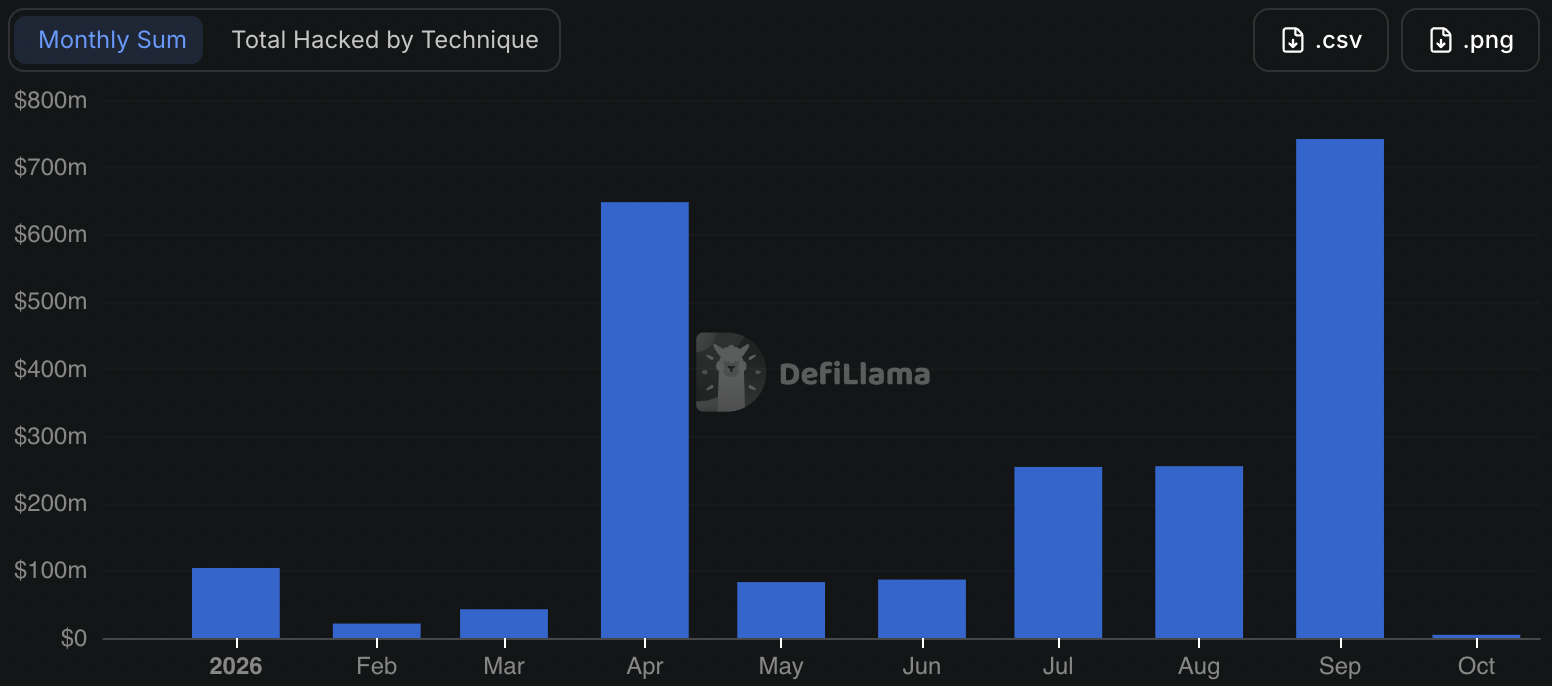
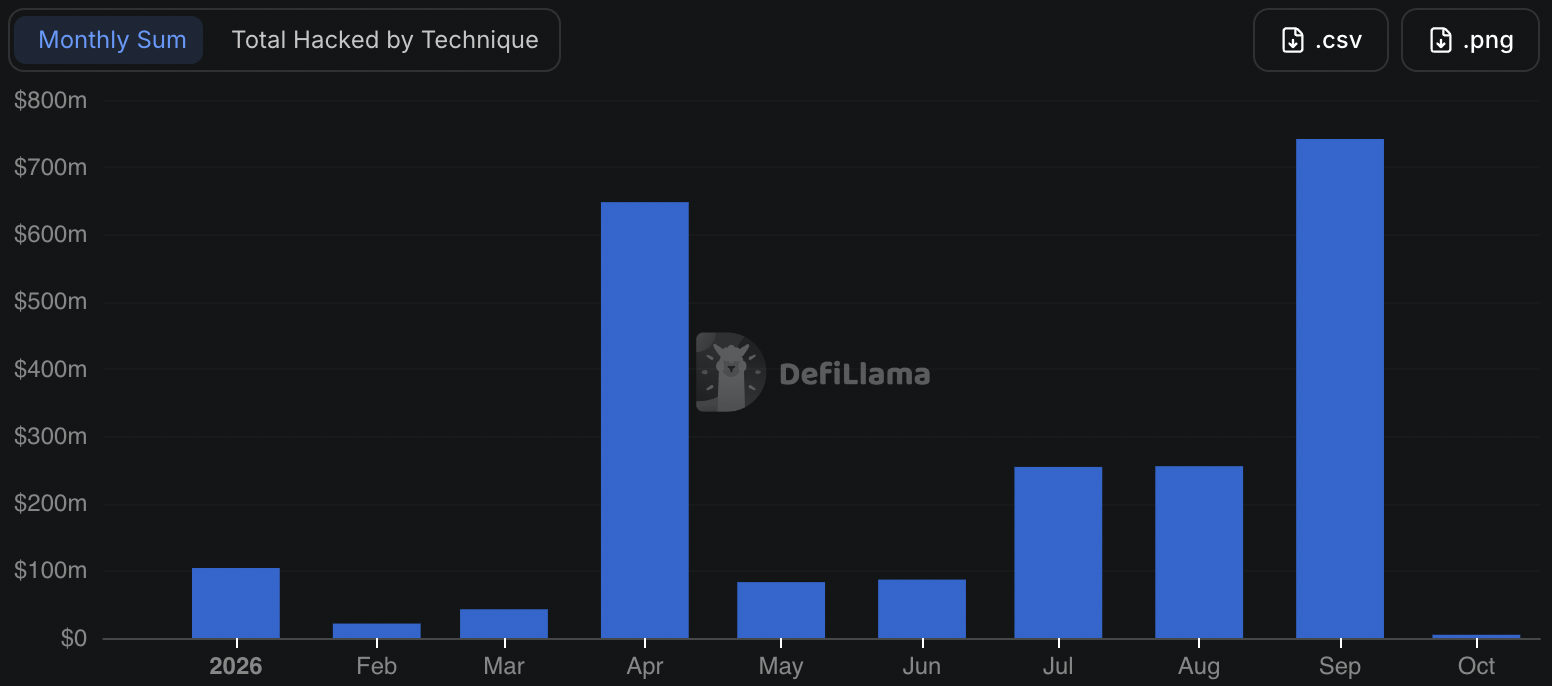
This comes as the year 2026 has already lost $2.243 billion in total value hacked, as per DeFiLlama data.
Additionally, TRM Labs also reported that AI-enabled scam activity rose by roughly 500% over the past year. This reflects how tools such as deepfakes and voice cloning can help fraudsters scale deception.
Final Summary
- At ACAMS’ The Assembly Las Vegas 2026, 79% of surveyed financial crime professionals identified crypto as their biggest training.
- North Korean hackers have developed complex methods to launder stolen cryptocurrency, using specialist intermediaries, cross-chain transfers, and more.

AIPERRO Stainless Steel Litter Box with Lid | XL Metal Enclosed Cat Litter Boxes with High Sided for Big Cats | Anti-Urine Leakage, Non-Stick Boxes with Litter Scoop (Light Gray)
$42.99 (as of October 9, 2026 03:20 GMT +00:00 - More infoProduct prices and availability are accurate as of the date/time indicated and are subject to change. Any price and availability information displayed on [relevant Amazon Site(s), as applicable] at the time of purchase will apply to the purchase of this product.)
DUMOS Dog Playpen 24 Inch 8 Panels Indoor Outdoor Metal Pet Fence | Foldable Dog Play Pen with Door, Portable Exercise, RV Camping, Puppy Small Medium Dogs
$38.99 (as of October 9, 2026 03:20 GMT +00:00 - More infoProduct prices and availability are accurate as of the date/time indicated and are subject to change. Any price and availability information displayed on [relevant Amazon Site(s), as applicable] at the time of purchase will apply to the purchase of this product.)
ALOHA Organic Plant Based Protein Bar | Peanut Butter Chocolate Chip, 12 Ct | 14g Plant-Based Protein, 10g Fiber, 5g Sugar | GLP-1 & Keto Friendly, No Sucralose or Stevia | Non-GMO, Vegan & Dairy Free
$25.42 (as of October 9, 2026 03:08 GMT +00:00 - More infoProduct prices and availability are accurate as of the date/time indicated and are subject to change. Any price and availability information displayed on [relevant Amazon Site(s), as applicable] at the time of purchase will apply to the purchase of this product.)
ARM & HAMMER Slide Platinum Easy Clean-Up Clumping Cat Litter, 34 lbs | 24/7 Odor Control, Triple-Action Freshness, Non-Stick, Low Tracking, Multi-Cat Formula, Scented, Online Only
$34.99 (as of October 9, 2026 03:20 GMT +00:00 - More infoProduct prices and availability are accurate as of the date/time indicated and are subject to change. Any price and availability information displayed on [relevant Amazon Site(s), as applicable] at the time of purchase will apply to the purchase of this product.)












Post Comment