
Unlock the Secret to Deep Sleep: How EEG Headbands Hack Your Brainwaves to Stop 3am Wake-Ups for Good!
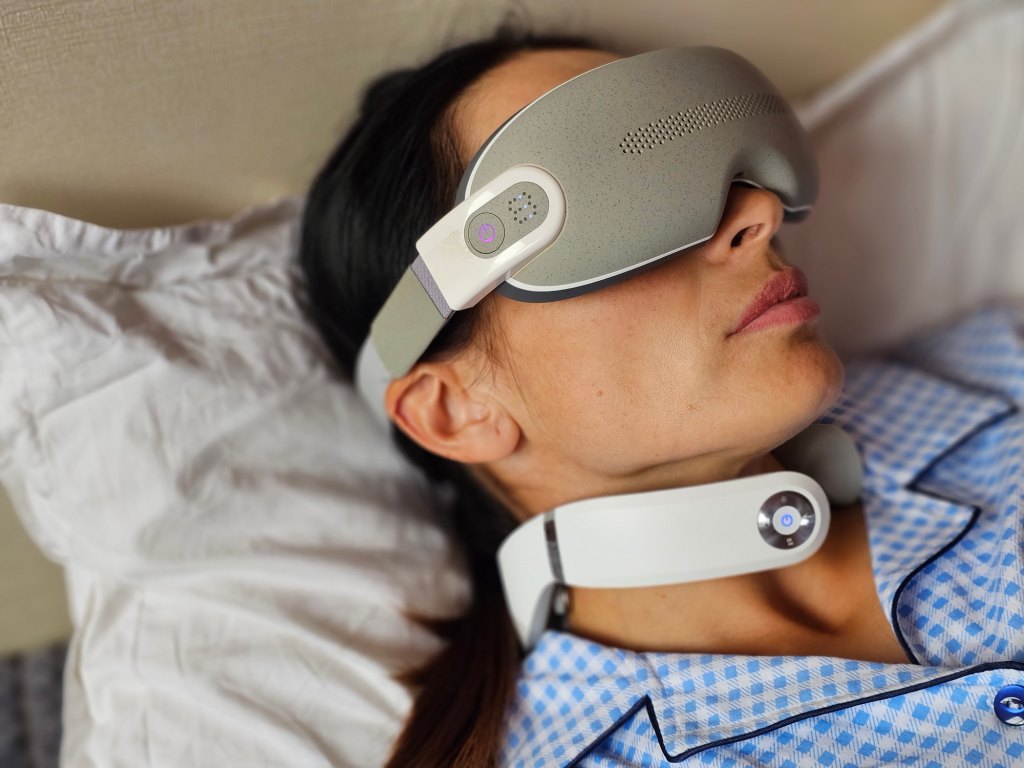
Ever find yourself wide-eyed at 2 a.m., counting ceiling tiles like it’s your new cardio routine? Yeah, me too—more times than I care to admit. But here’s the kicker: 2026 isn’t just another year of tossing and turning; it’s the dawn of a sleep revolution. Those EEG sleep headbands you’ve heard whispers about? They’re not just fancy trackers anymore. Nope, they’re full-on brainwave whisperers, listening to your noggin in real time and giving it a soft nudge toward sweet, sweet slumber with gentle sounds or light vibrations. It’s like having a personal sleep DJ smoothing the way to dreamland without a single pill in sight. And honestly, when nearly 60% of adults can’t clock those golden seven to nine hours, and almost half of us wake up feeling like we traded rest for a wrestling match with our sheets, can you really blame tech for stepping up its game? Dive in, because this isn’t about just logging your zzz’s—it’s about conquering them. LEARN MORE
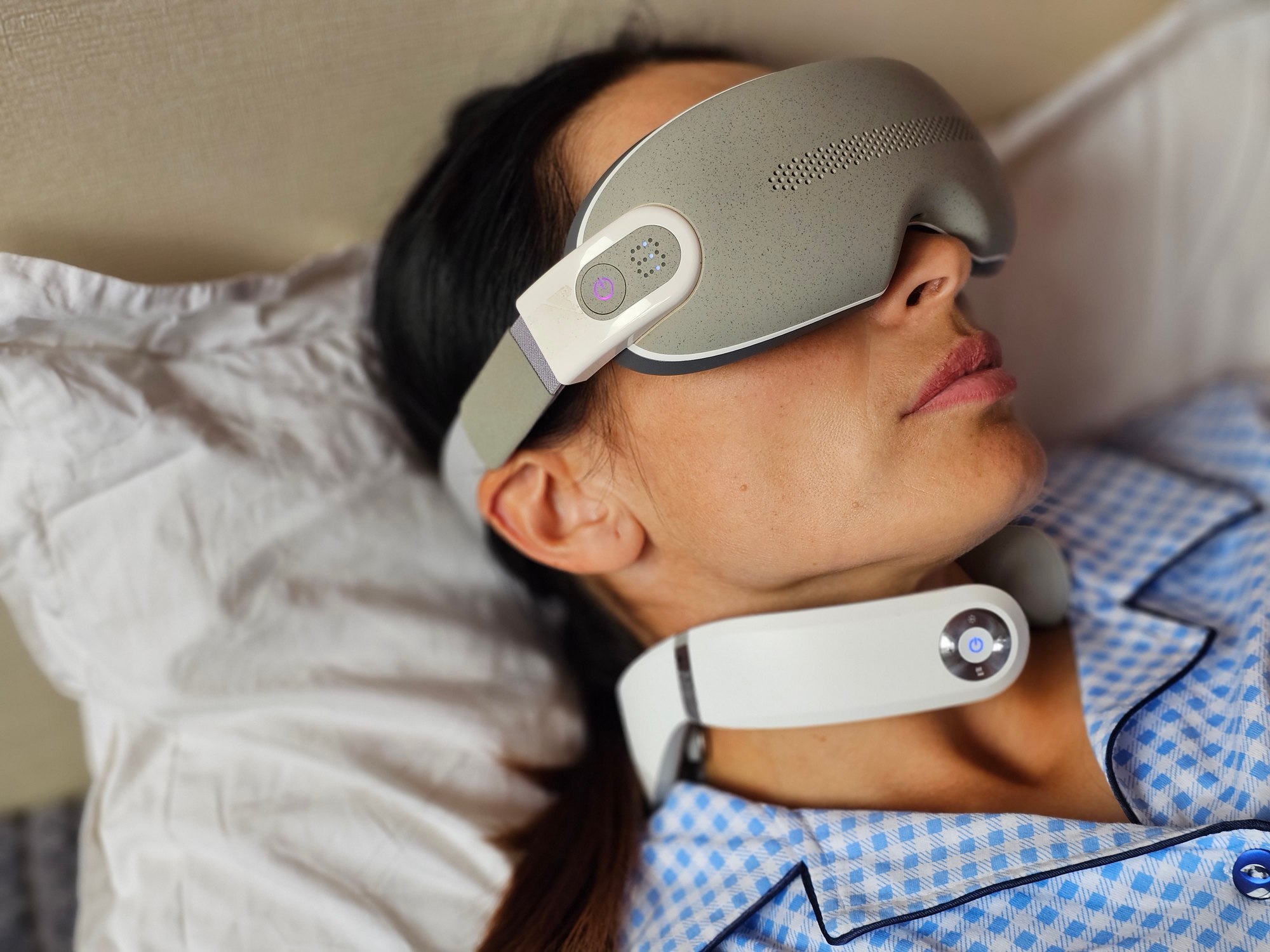
If you find yourself staring at the ceiling at 2 a.m., you are not alone. Sleep tech is shifting from passive tracking to active help, and 2026 is shaping up as the year that shift reaches the mainstream. A new wave of EEG sleep headbands no longer just measures your night. They read your brainwaves in real time and gently nudge you toward rest with soft sound or light vibration.
The numbers explain the appeal. The National Sleep Foundation’s 2025 Sleep in America Poll found that 6 in 10 adults don’t get the recommended 7 to 9 hours of quality sleep, nearly 4 in 10 struggle to fall asleep at least three nights a week and almost half wake up often during the night.
How EEG sleep headbands work
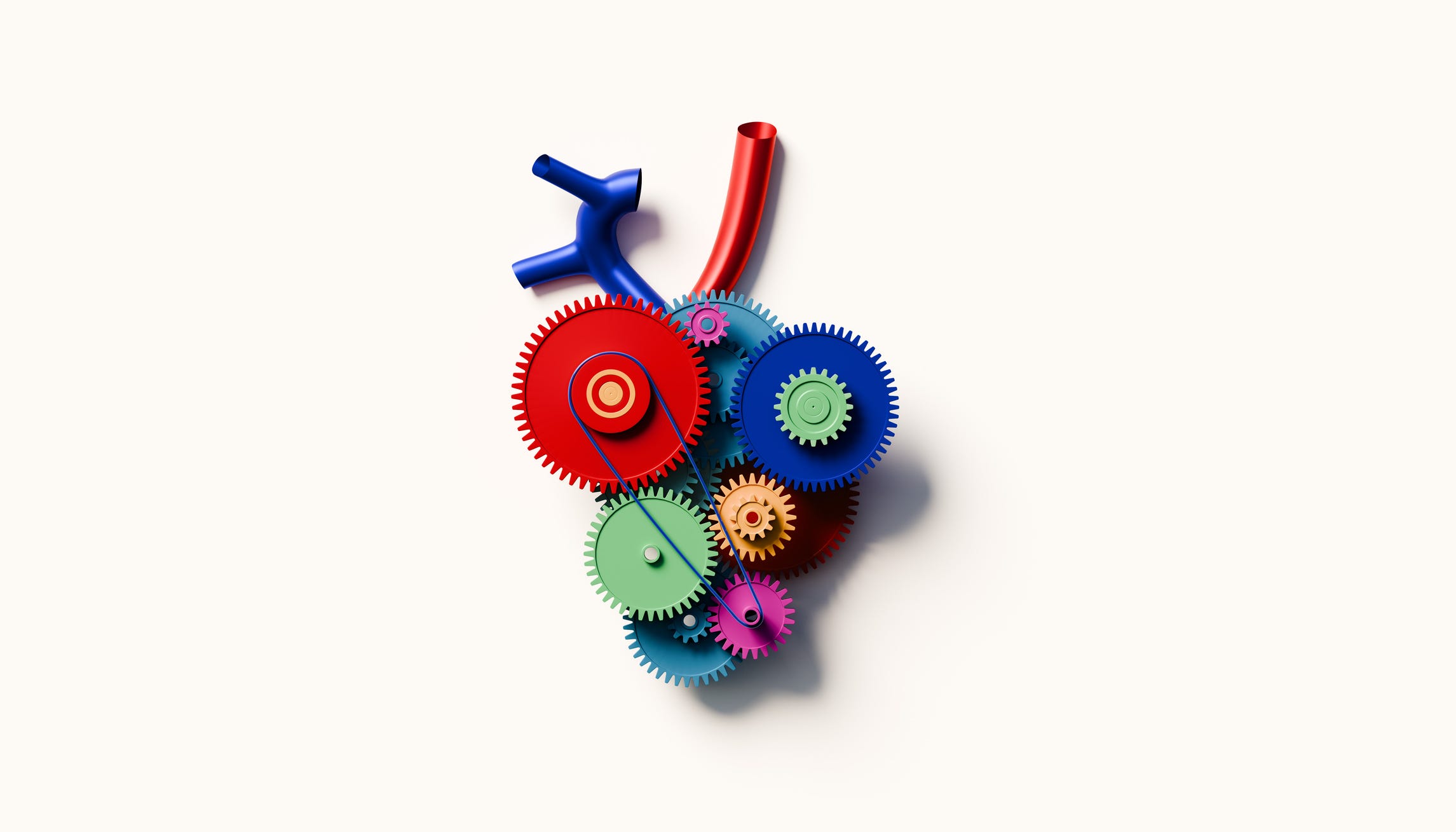
These headbands rely on closed-loop auditory stimulation. Sensors track your brainwave patterns as you drift off, and the device responds with cues designed to guide the brain toward deeper, more stable rest. No pills, no prescription.
Dr. Angela Holliday-Bell, a board-certified physician and certified sleep specialist, told Forbes, “These headbands track real-time patterns in your brain activity and respond with cues that encourage your system to settle. When a device delivers the right sound or gentle vibration at the right moment, it can reinforce relaxation and help guide you into more stable sleep stages.”
A mind-over-matter layer is also worth understanding. Jamie Zeitzer, Ph.D., associate professor at the Center for Sleep Sciences and Medicine at Stanford University, told Sleep.com, “If you think you’re going to sleep better by putting something on your forehead, you likely will sleep better. You’re creating your own physiology to encourage sleep.” Zeitzer added, “The biggest issue with sleep onset is getting out of your own way.” He said focusing on something introspective, like your breath or heartbeat, can induce an almost hypnotic state that clears the mind.
Why EEG sleep headbands matter in 2026
The category is reaching a tipping point. The global sleep tech devices market is estimated at $29.62 billion in 2026, according to The Business Research Company.
Many of us no longer want a device that simply hands over a score in the morning. We want help falling asleep, staying asleep or waking at the right time, without turning to medication. Several brands are now competing to define what active sleep guidance actually looks like.
The EEG sleep headbands leading the market
Elemind. A Cambridge, Massachusetts company and MIT spinout, Elemind uses real-time EEG detection of alpha phase and delivers phase-locked pink-noise pulses, especially for sleep onset. The soft, cushioned fabric band (polyamide, spandex and silicone rubber) includes volume and power controls, runs about 9 hours on a charge and ships with a 30-night trial. Best for calming the mind and basic sleep tracking. Skip it if you want the most precise tracking available or access to specialized soundscapes.
Frenz Brainband. Developed by Earable Neuroscience, founded in 2018, the Frenz Brainband uses clinical-grade sensors to track sleep stages plus jaw and eye movement. It pairs EEG with EMG, EOG and PPG, runs about 8 hours and comes with a 14-night trial and no subscription. Built for deep sleep and clinical-grade tracking, not for meditation.
Muse S by Interaxon. The most established consumer EEG brand in the category, Muse counts more than 500,000 members, over 1 billion minutes of brain data and 200-plus associated research studies. A 2025 validation study showed 88% to 96% agreement with polysomnography for sleep staging. Battery life runs about 10 hours, with an optional premium subscription and a 30-night trial. Strong for brain training, meditation and falling asleep, with a comfortable adjustable fit and magnetic closure.
LumiMind’s LumiSleep D1. The most visible 2026 launch, LumiSleep D1 uses what the company calls real-time neural coupling and adaptive sound to guide users toward sleep. It was announced Sept. 24, 2026 and is being marketed through CES-award signaling and crowdfunding. Retail price is $569, with an early-bird price of $389.
What to consider before buying
A headband is not a cure. Zeitzer’s reminder about the placebo-adjacent power of putting a device on your forehead cuts both ways. The right band can genuinely help settle a racing mind, but part of the benefit may come from the ritual itself. Weigh battery life, subscription costs, trial windows and whether you want clinical-grade tracking, meditation coaching or straightforward sleep-onset help before you commit.
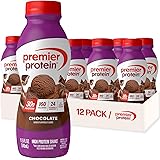
Premier Protein 30g High Protein Shake, Chocolate, 12 Pack | 160 Calories, 24 Vitamins & Minerals, No Added Sugar, Supports Muscle Health, Gluten-Free, 11.5 oz
$25.08 (as of October 9, 2026 03:08 GMT +00:00 - More infoProduct prices and availability are accurate as of the date/time indicated and are subject to change. Any price and availability information displayed on [relevant Amazon Site(s), as applicable] at the time of purchase will apply to the purchase of this product.)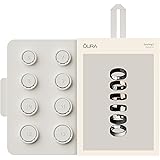
OURA Ring 5 Sizing Kit - Size Before You Buy | Unique Sizing, Not Standard Ring Sizing - Receive Amazon Credit for Oura Ring 5 Purchase
$10.00 (as of October 9, 2026 03:29 GMT +00:00 - More infoProduct prices and availability are accurate as of the date/time indicated and are subject to change. Any price and availability information displayed on [relevant Amazon Site(s), as applicable] at the time of purchase will apply to the purchase of this product.)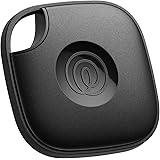
Life360 Tile - Bluetooth Tracker, Keys Finder and Item Locator for Keys, Bags and More. Phone Finder. Both iOS and Android Compatible. 1-Pack (Black)
$24.79 (as of October 9, 2026 03:20 GMT +00:00 - More infoProduct prices and availability are accurate as of the date/time indicated and are subject to change. Any price and availability information displayed on [relevant Amazon Site(s), as applicable] at the time of purchase will apply to the purchase of this product.)
Best Pet Supplies Interactive Squeaky Dog Toy - Crinkle Duck, Yellow | Stuffing Free Body, Soft, Squeaks & Crinkles, No Mess, Perfect for Moderate Chewers, Toss and Fetch Play
$6.79 (as of October 9, 2026 03:11 GMT +00:00 - More infoProduct prices and availability are accurate as of the date/time indicated and are subject to change. Any price and availability information displayed on [relevant Amazon Site(s), as applicable] at the time of purchase will apply to the purchase of this product.)













Post Comment