
Unlocking the Hidden Value: What Every Investor Must Know Before Buying Stock in a ROBS C Corp Franchise

So, you’re thinking about using a Rollover for Business Startups (ROBS) to fund a franchise? Well, buckle up, because it’s way more than just casually moving your retirement funds into a shiny new business. Nope. There’s a whole dance that involves setting up a C corporation, creating a qualified retirement plan, and—here’s the kicker—completing a stock purchase that juices up the corporation’s capital. Since that stock purchase is the nucleus of the whole gig, its valuation is where you want to put on your Sherlock hat and get serious.
Now, here’s the twist that trips up a lot of folks: valuing stock in a ROBS-funded C corp franchise isn’t like pricing Amazon stock on a bustling exchange. Nope, these shares belong to a closely held company with zero public market quotes. So, how do you put a price tag on something that’s kinda flying under the radar? That’s where understanding the drivers behind valuation—and why keeping meticulous records isn’t just busywork—becomes your secret power. Trust me, if you want to stride into this with confidence, you gotta have this nailed down.
Why Fair Market Value is Your North Star
Here’s the deal: in a standard ROBS setup, it’s your qualified retirement plan that buys stock in the freshly minted C corp. Because these shares aren’t traded on Wall Street’s open market, getting their fair market value isn’t as simple as glancing at stock tickers. It means rolling up your sleeves and diving into a good-faith, reasoned valuation process. Federal guidelines highlight this clearly, emphasizing that fair market value is king—especially for securities without a well-known market. The Department of Labor backs this up, saying you have to use recognized methods to determine this value in closely held corporations.
This is a game-changer when you stack ROBS against more traditional startup funding routes. Since you’re dealing with an equity investment from a retirement plan rather than a standard loan, the exact price you pay for that stock? It’s the linchpin of your entire financing structure. So forget winging it.
What the Franchise’s Finances Tell Us Matters A Lot
Here’s where things get interesting. If you’re stepping into an established franchise, you’ve got historical numbers—the receipts of years gone by—to lean on, which makes valuation somewhat less mystical. But if you’re at the startup stage with zero operating history, that’s a different ballgame. You’ll need to lean on financial projections and, crucially, the assumptions feeding those forecasts.
A professional valuer will want to see a clear divide between rosy future expectations and cold, hard facts. Details like:
- What’s currently in assets and liabilities
- Anticipated start-up and day-to-day operating costs
- Logical revenue and expense projections
- Any financing commitments
- Data from similar businesses or recent deals
And don’t just toss out projections without scrutiny—Department of Labor guidance specifically calls for validating whether these projections are grounded in reality, not just wishful thinking.
Franchise Economics: The Invisible Hand Guiding Valuation
Owning a franchise might mean plugging into a well-oiled machine, but pay attention—the cost of getting in isn’t the same as what your C corporation’s shares are worth. Lots of rookie entrepreneurs mix these concepts up. Fees, initial franchise costs, ongoing royalties, operating requirements, territory restrictions, and business models all sway expected cash flows and, therefore, valuation.
So here’s a lightbulb moment: the sticker price to join the franchise doesn’t dictate your stock’s value. Especially fresh out of the gate, your corporation’s performance history is sparse, so a seasoned valuer must focus on the company-specific facts, not just slap on the franchise purchase price.
Timing Is Everything: Why Valuation Dates Matter
Business values aren’t static; they morph as new intel emerges. A valuation is a snapshot—frozen in time with whatever financials and info you had on hand. And setting up a ROBS structure moves fast—formation, capital infusion, operational kickoff… a whirlwind where each step shifts your business’s landscape.
Keeping those financials fresh keeps your valuation honest. Plus, tidy records about your assumptions and supplied info? Gold. If something major unfolds after your first valuation, don’t assume it’s still valid. Run it by your ROBS and valuation pros to see if you need a re-look.
Get a Real Pro: Independent Valuation Brings Credibility
Don’t skimp here. Valuing a closely held startup is as much art as science and calls for sharp professional judgment. A qualified valuation expert picks from trusted methods that fit your company’s unique facts, and crucially—they explain the “why” behind their number.
Independence is key here. They can’t just cook up a value that fits your hopes. Their objectivity matters. The Department of Labor stresses using qualified valuations,
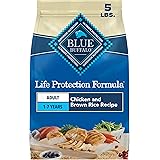
Blue Buffalo Life Protection Formula Chicken Adult Dry Dog Food, 5 lb | Real Chicken #1 Ingredient, Supports Immunity with Antioxidant-Rich LifeSource Bits, Promotes Healthy Muscle Development
$14.97 (as of October 9, 2026 03:11 GMT +00:00 - More infoProduct prices and availability are accurate as of the date/time indicated and are subject to change. Any price and availability information displayed on [relevant Amazon Site(s), as applicable] at the time of purchase will apply to the purchase of this product.)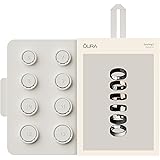
OURA Ring 5 Sizing Kit - Size Before You Buy | Unique Sizing, Not Standard Ring Sizing - Receive Amazon Credit for Oura Ring 5 Purchase
$10.00 (as of October 9, 2026 03:29 GMT +00:00 - More infoProduct prices and availability are accurate as of the date/time indicated and are subject to change. Any price and availability information displayed on [relevant Amazon Site(s), as applicable] at the time of purchase will apply to the purchase of this product.)
Nespresso Capsules Vertuo, Variety Pack, Medium and Dark Roast Coffee, 30 Count Coffee Pods, Brews 7.8 oz.
$42.00 (as of October 9, 2026 03:08 GMT +00:00 - More infoProduct prices and availability are accurate as of the date/time indicated and are subject to change. Any price and availability information displayed on [relevant Amazon Site(s), as applicable] at the time of purchase will apply to the purchase of this product.)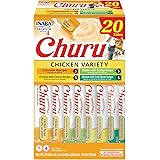
INABA Churu Cat Treats, Lickable, Squeezable Creamy Purée Cat Treat with Green Tea Extract & Taurine, 0.5 Ounces Each Tube, 20 Tubes, Chicken Variety Box
$14.79 (as of October 9, 2026 03:11 GMT +00:00 - More infoProduct prices and availability are accurate as of the date/time indicated and are subject to change. Any price and availability information displayed on [relevant Amazon Site(s), as applicable] at the time of purchase will apply to the purchase of this product.)














Post Comment