
Unlock the Secret Power of Chypre Colognes: How These 9 Scents Can Transform Your Mood and Confidence Instantly
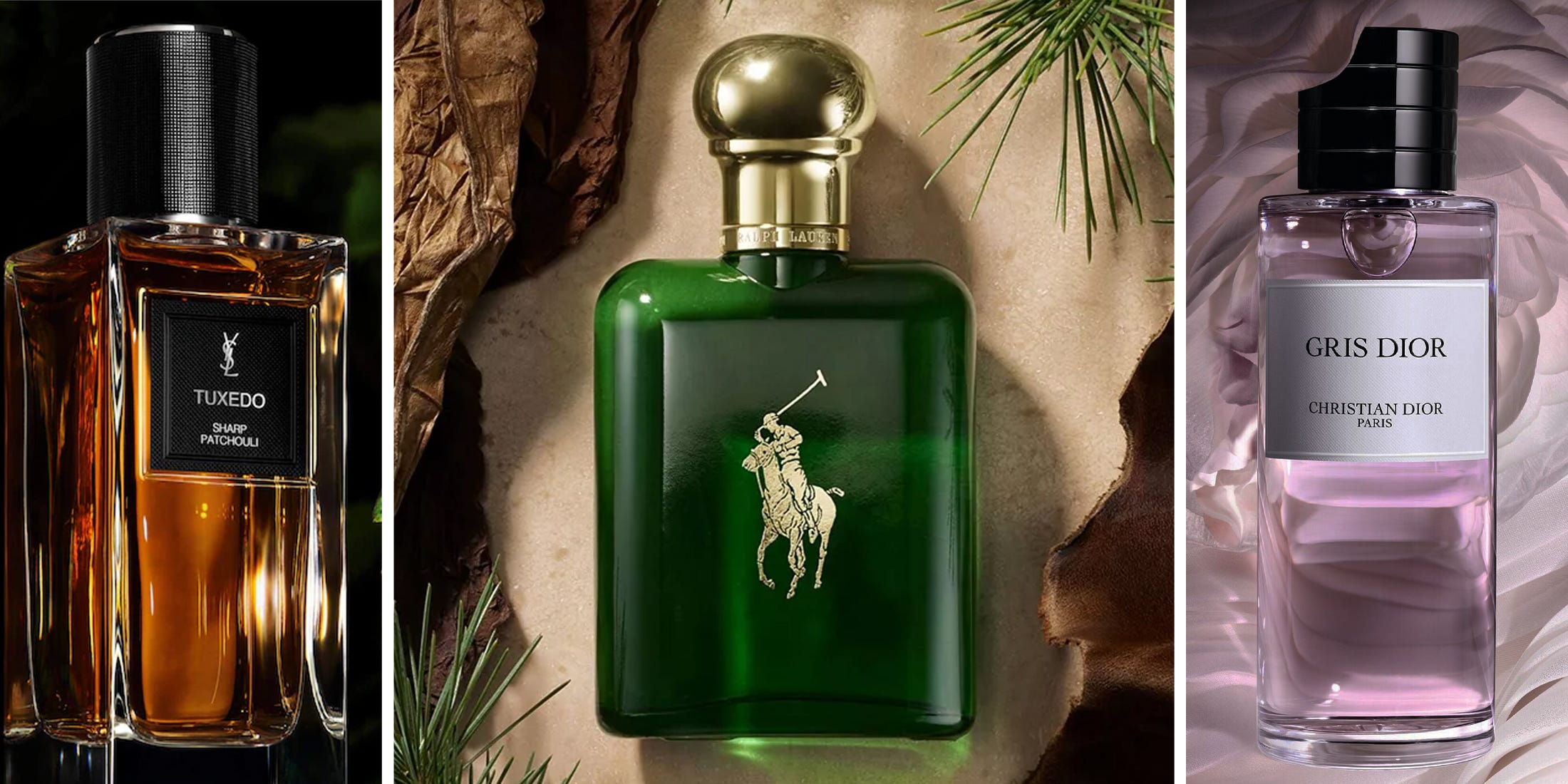
Ever notice how some scents just grab you by the senses and refuse to let go? That’s the magic of chypre—the fragrance family you’ve probably smelled a dozen times without knowing it. Pronounced “sheep-ruh,” this classic blend traces its roots back to 1917, when French perfumer François Coty bottled the essence of Cyprus’s rugged landscapes into a scent that changed the game forever. What’s wild is how chypre’s cocktail of citrus, floral, and woody notes creates this thrilling tug-of-war between bright freshness and earthy depth—a combo that somehow feels like standing in nature while also suiting a night out. If you’ve ever wondered why a certain cologne smells both crisp and mysterious, you’re likely encountering this storied fragrance family, a true classic that’s survived decades and countless scent fads. Ready to dive into the world of chypre and maybe find your new signature smell? LEARN MORE

There are an infinite number of scent note combinations in the world of fragrance. Some combinations are more popular than others, though. Some are even so ubiquitous they become their own fragrance families with names that refer to a specific blend of notes. One you’ve probably come across while trying out colognes—but might not know what it means or how to pronounce it—is chypre.
Like most things in the world of perfumery, the term comes from French. It’s pronounced “sheep-ruh”—and extra points if you can get that guttural “r” sound on the second syllable like the French say it. The word literally translates to “Cyprus,” the Mediterranean island country south of Turkey. That’s because, in 1917, French perfumer François Coty released a fragrance called “Chypre” inspired by the local plant life and trade goods native to Cyprus. The combination of bergamot, oakmoss, labdanum, and patchouli was such a big hit that it literally inspired a whole family of fragrances.
Similarly to how fougère colognes are built on the trifecta of a fresh and herbal note (typically lavender), a sweet and warm note (typically coumarin), and an earthy note (typically oakmoss), chypre colognes are built on a contrast of fresh and citrus top notes (like bergamot, lemon, or orange), floral and spicy heart notes (like rose or jasmine), and woody and mossy base notes (like oakmoss, patchouli, or labdanum).
The result is a gorgeous contrast between a bright, citrusy opening and a deeper earthy and woody base that evokes natural landscapes. If you’re having trouble imagining it, try one of the chypre colognes down below—we rounded up our absolute favorites.

Frito-Lay Fun Times Mix Variety Pack, 40 Count
$21.14 (as of October 13, 2026 03:09 GMT +00:00 - More infoProduct prices and availability are accurate as of the date/time indicated and are subject to change. Any price and availability information displayed on [relevant Amazon Site(s), as applicable] at the time of purchase will apply to the purchase of this product.)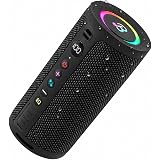
BassBloom Roar 3 Portable Bluetooth Speaker,IPX6 Waterproof,20W | Powerful Sound with JIKE Bass,24H Playtime,Bluetooth 5.4,RGB Lights,Wireless TWS Pairing,Outdoor for Camping
$17.99 (as of October 13, 2026 03:32 GMT +00:00 - More infoProduct prices and availability are accurate as of the date/time indicated and are subject to change. Any price and availability information displayed on [relevant Amazon Site(s), as applicable] at the time of purchase will apply to the purchase of this product.)
Active Noise Cancelling Ear Buds Wireless Bluetooth Headphones 80H Playtime Display Charging Case 50dB ANC Over Ear Hooks Earbuds with Hi-Res Sound & Clear Calls for Sports Running Gym Workout Black
$89.96 (as of October 13, 2026 03:32 GMT +00:00 - More infoProduct prices and availability are accurate as of the date/time indicated and are subject to change. Any price and availability information displayed on [relevant Amazon Site(s), as applicable] at the time of purchase will apply to the purchase of this product.)
Bose QuietComfort Headphones - Wireless Bluetooth Headphones, Active Over Ear Noise Cancelling and Mic, USB-C Charging, Deep Bass, Up to 24 Hours of Playtime, Sandstone
$359.00 (as of October 13, 2026 03:21 GMT +00:00 - More infoProduct prices and availability are accurate as of the date/time indicated and are subject to change. Any price and availability information displayed on [relevant Amazon Site(s), as applicable] at the time of purchase will apply to the purchase of this product.)













Post Comment