
Unlock the Hidden Dust Traps in Your Home That Are Sabotaging Your Health—And How to Crush Them Fast!
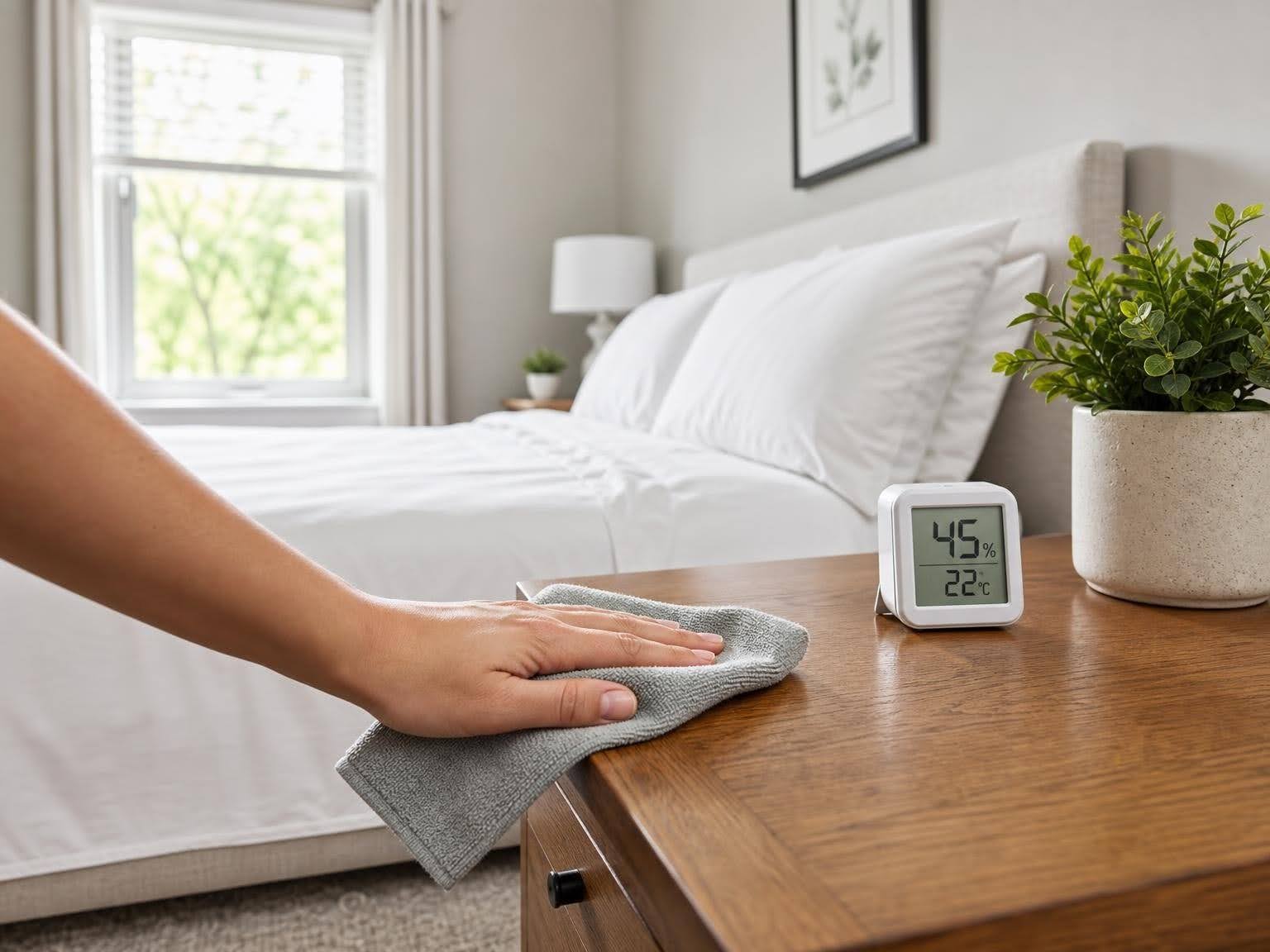
Ever wonder what’s really hiding in that seemingly innocent layer of household dust? Spoiler alert: it’s not just “dust.” We’re talking a wild cocktail of soil sneaking in from outside, stray fabric and skin fibers hitching a ride, pollen gatecrashing the party, pet dander dropping by uninvited, and those microscopic dust mite leftovers that no vacuum seems eager to fully conquer. Sure, busting out your trusty vacuum feels like the hero move — but, spoiler, even the best vacuums only scratch the surface of dust’s ongoing invasion. The secret sauce? It’s less about chasing a miracle gadget and more about orchestrating a whole symphony of cleaning rituals, humidity balancing, savvy ventilation, and shutting down dust’s door at the source. Your cleaning gear should vibe with your floor types, home layout, and allergen battles—there’s no one-size-fits-all here. Buckle up, because taking control of dust is a clever dance, not a quick fix. LEARN MORE
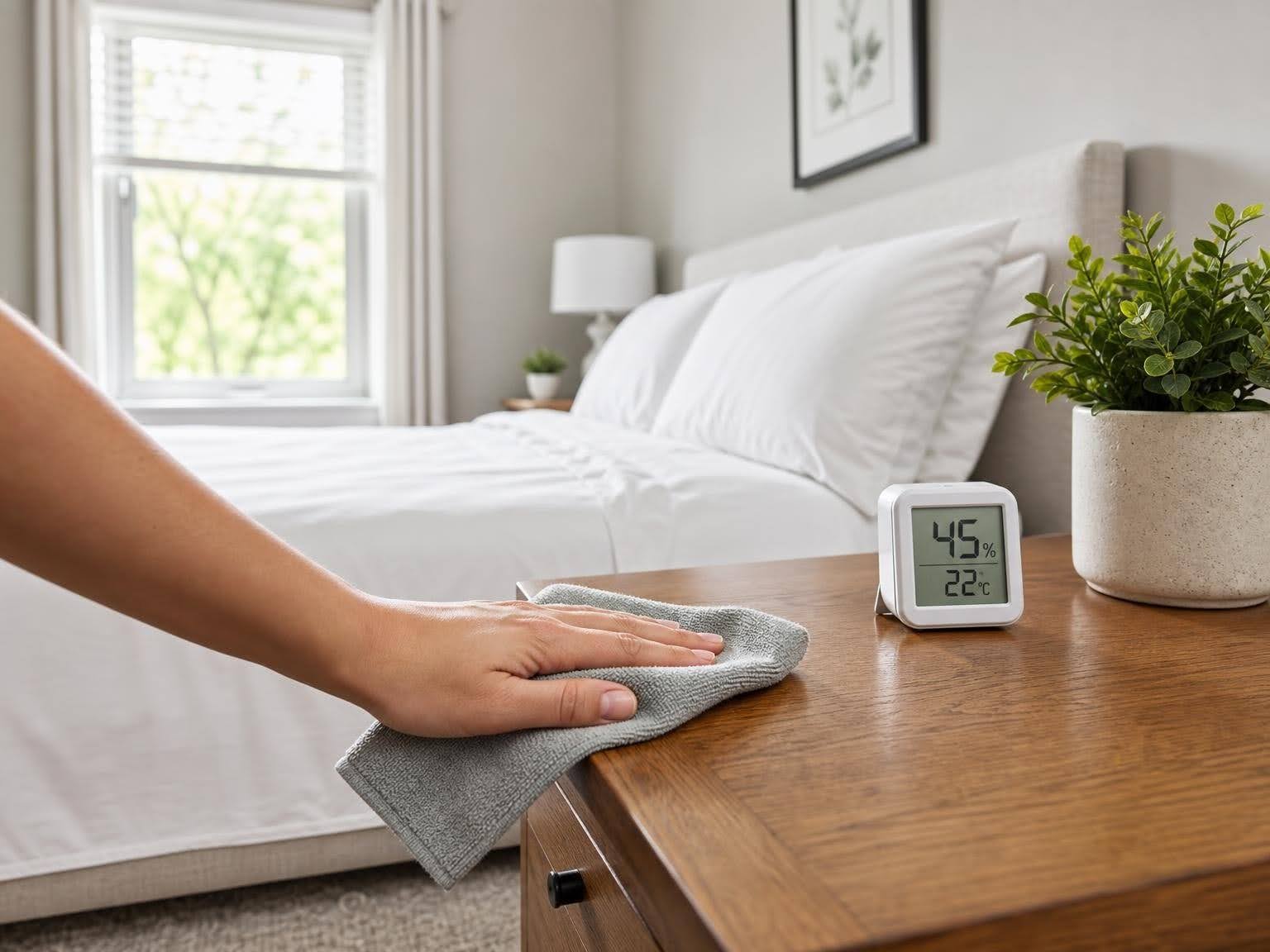
Household dust is rarely just one substance.
It’s usually a mix of soil tracked in from outside, fabric and skin fibers, pollen, pet dander, and the microscopic debris left behind by dust mites. Many homeowners tackle this grab-bag of particles with a regular cleaning schedule and a reliable vacuum, but even the most consistent routines can only reduce—not completely eliminate—many indoor allergens and pollutants. Effective dust control isn’t about finding one perfect tool; it comes down to combining good cleaning habits, moisture management, proper ventilation, and cutting off dust at its sources. The cleaning equipment you choose should be based on your flooring type, filtration needs, maintenance demands, and household circumstances, rather than assuming any single product will solve the problem on its own.
What Household Dust Actually Contains
Indoor dust is a blend of dust-mite debris, pollen, animal dander, textile and skin fibers, outdoor particulate matter, and—in damp environments—mold particles. How much accumulates, and what it’s made of, depends on who and what lives in the home, the flooring and upholstery choices, outdoor conditions, ventilation, humidity, and how often cleaning actually happens.
It helps to separate three related but distinct goals: reducing settled dust, removing allergens, and improving overall indoor air quality. A room that looks spotless doesn’t necessarily mean it’s free of microscopic allergens, since many particles stay airborne or get embedded in fabrics long after surfaces appear tidy. How dust affects people also varies from person to person, and symptoms can be more pronounced for those with asthma or allergies. Anyone dealing with persistent or severe symptoms should consult a qualified healthcare professional rather than relying solely on cleaning adjustments.
Where Dust and Allergens Come From
Soft furnishings and bedding—mattresses, pillows, carpets, rugs, curtains, stuffed toys—tend to be the biggest reservoirs simply because they’re hard to clean thoroughly. Cutting down on clutter also helps, since fewer surfaces means fewer places for dust to settle in the first place.
Pets and outdoor tracking bring their own share of soil, pollen, and other particles into the home. Entrance mats and a habit of removing shoes before stepping into living spaces can meaningfully cut down on what gets tracked inside, though cleaning routines should still be tailored to the specific animal, flooring, and sensitivities within the household.
Moisture and humidity play an outsized role here, since dust mites thrive in humid conditions. Public-health guidance generally recommends keeping indoor relative humidity somewhere between 30–50%. Ventilation, air conditioning, and dehumidification all help manage excess moisture, and this is a separate task from simply removing visible dust—both are often necessary for any real improvement.
Building an Effective Cleaning Routine
A good routine is designed to minimize redistributing dust rather than just moving it from one surface to another. A sensible sequence looks something like this: reduce clutter first, clean higher surfaces before lower ones, and use a damp cloth or mop to trap settled dust instead of dry-dusting, which tends to scatter particles right back into the air. Floors and carpets should be cleaned according to their specific material and manufacturer instructions, and the tools used for cleaning need to be washed or replaced regularly so they’re not just redistributing what they’ve already picked up.
It’s also worth keeping in mind that cleaning itself can temporarily stir up particles and send them airborne. People with significant dust sensitivity or asthma may want to step out of the room during more vigorous cleaning, when that’s a realistic option.
Key takeaway: Dust control works best as a routine combining source reduction, damp cleaning, floor care, bedding maintenance, and humidity management.
A simple weekly routine might include:
- Washing bedding according to care instructions
- Damp-wiping frequently touched surfaces
- Cleaning carpets, rugs, and hard floors appropriately
- Checking humidity levels
- Emptying or maintaining cleaning equipment safely
Matching Methods to Different Surfaces
On hard floors, dry sweeping tends to kick fine particles into the air, while damp mopping or the right floor tools generally do a better job of capturing settled dust. It’s worth double-checking that whatever method you choose is actually compatible with wood, tile, laminate, or stone surfaces before you commit to it.
Carpets and rugs hold onto dust, pollen, and other particles more stubbornly than hard flooring does, so how often you clean them should reflect foot traffic, pets, and any allergy concerns in the household. HEPA filtration can help reduce dust buildup in a quality vacuum, but how well it actually works depends on the complete system, proper maintenance, and correct use—it’s not a universal fix, and no cleaning method should be relied on to prevent disease.
For bedding and washable fabrics, regular washing according to fabric-care instructions matters most. When dust mites are a specific concern, hot-water washing and allergen-proof encasements are measures commonly recommended by environmental health and respiratory organizations. Items should also be dried completely, since leftover moisture can easily create new problems of its own.
Cleaning Safely and Maintaining Equipment
Following manufacturer instructions for filters, bags, containers, brushes, and attachments helps equipment perform the way it’s supposed to. Damaged equipment shouldn’t be used at all, and collected dust should be disposed of carefully rather than shaken out indoors. Ventilating the space while cleaning, when outdoor conditions allow for it, can help disperse any particles that get stirred up. Household members with respiratory sensitivities may be better off letting someone else handle the more dust-intensive tasks. Cleaning products should never be mixed unless a label explicitly says it’s safe to do so, and washing your hands afterward is a small step that’s easy to overlook but worth doing.
Common Mistakes That Undermine Dust Control
A handful of habits can quietly sabotage an otherwise solid routine: dry-dusting that just redistributes particles, cleaning floors while ignoring bedding and curtains, letting indoor humidity run high for long stretches, skipping filter replacements, using the wrong cleaning method for a given surface, and treating a single appliance as a stand-in for ongoing source control.
Applying This Room by Room
Picture a household with carpeted bedrooms, a pet, and one family member dealing with seasonal allergies. Rather than trying to deep-clean the entire home in one go, this household might start with bedding and mattress covers, move on to carpets and pet-resting areas, and finally keep an eye on humidity in the bedrooms. This kind of sequencing is meant to illustrate realistic planning—not to promise a guaranteed health outcome.
Generally speaking, bedrooms benefit most from attention to bedding, mattress covers, and humidity; living rooms from rugs, upholstery, and curtains; kitchens from tracked-in particles and moisture around sinks; entryways from effective mats and shoe removal; and children’s spaces from washable toys and bedding maintained according to care instructions.
Judging Whether a Routine Is Working
Practical signs to look for include less visible dust on high-touch surfaces, reduced buildup near vents and baseboards, fewer recurring damp spots, and a routine that household members can actually keep up with over time. Symptom changes shouldn’t be treated as the only measure of success, and any persistent moisture or suspected mold calls for a professional evaluation.
Making Dust Control Sustainable
Effective dust management comes down to a system of habits rather than a single product or an occasional deep clean. Reducing tracked-in sources, using damp methods for settled particles, keeping up with bedding and soft furnishings, maintaining indoor humidity within a reasonable range, and following equipment safety instructions all work together toward the same goal. The most practical starting point is simply figuring out which rooms and surfaces collect the most dust in your own home, then building a routine around that reality.

2 Pack [Apple MFi Certified] Wired Headphones for iPhone 14 13 12 Pro Max | 2Pack Wired Earbuds with Built-in Mic & Volume Control HiFi Stereo Nosie Reduction Earphones for iPhone 14 13 12 11 XS XR X 8
$8.99 (as of October 14, 2026 03:32 GMT +00:00 - More infoProduct prices and availability are accurate as of the date/time indicated and are subject to change. Any price and availability information displayed on [relevant Amazon Site(s), as applicable] at the time of purchase will apply to the purchase of this product.)
Earth Rated Dog Wipes for Paws & Butt, Deodorizing, Unscented, 100ct | Hypoallergenic, 3-in-1 Cleaning and Hydrating, for Grooming Paws, Body and Butt
$9.99 (as of October 14, 2026 03:11 GMT +00:00 - More infoProduct prices and availability are accurate as of the date/time indicated and are subject to change. Any price and availability information displayed on [relevant Amazon Site(s), as applicable] at the time of purchase will apply to the purchase of this product.)
Amazon Kindle 16GB (newest model), Now thinner, lighter, and faster, 6" display, Ube
$149.99 (as of October 14, 2026 03:32 GMT +00:00 - More infoProduct prices and availability are accurate as of the date/time indicated and are subject to change. Any price and availability information displayed on [relevant Amazon Site(s), as applicable] at the time of purchase will apply to the purchase of this product.)
Rocco & Roxie Enzyme Stain & Odor Eliminator, 32 Fl Oz | Bio-enzymatic urine destroyer; CRI Certified Safe; made in USA; for carpets, bedding, litter boxes, crates & cars
$23.92 (as of October 14, 2026 03:11 GMT +00:00 - More infoProduct prices and availability are accurate as of the date/time indicated and are subject to change. Any price and availability information displayed on [relevant Amazon Site(s), as applicable] at the time of purchase will apply to the purchase of this product.)














Post Comment