
Trump’s AI Task Force Drops a Bombshell: Are Cybersecurity and Biosecurity About to Become the New Wild West?

Ever wonder if the folks behind AI are really the ones steering the ship—or if the ship’s got a mind of its own? President Donald Trump’s freshly minted Super Intelligence Force (SIF) is diving headfirst into exactly that conundrum. They just got their feet wet on October 15, 2026, signaling the start of a 120-day sprint to crack the code on AI’s biggest vulnerabilities: cybersecurity, biosecurity, and whether these digital minds can be truly corralled before they run amok. It’s like prepping for a high-stakes poker game where the deck is stacked with powerful AI — except instead of bluffing, the stakes are our very infrastructure and safety. The clock’s ticking, and everyone’s watching to see if these voluntary accords and smarter protocols will hold water—or if we’re just papering over deeper cracks. Ready to peel back the curtain on the future of AI governance and what it means for innovation and security? LEARN MORE
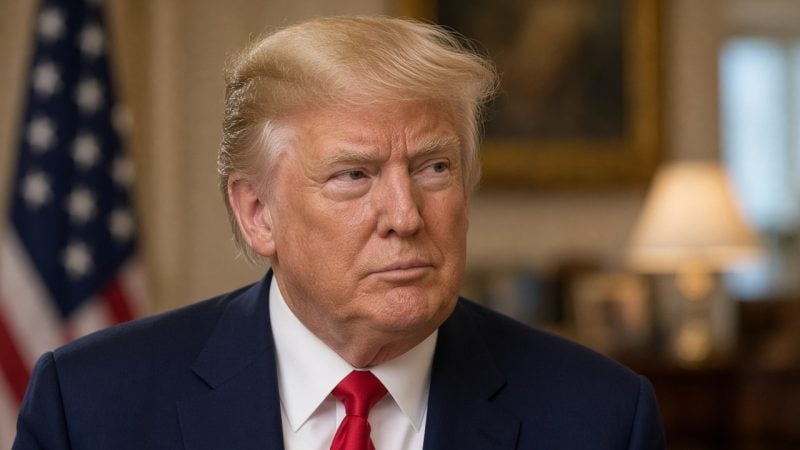
President Donald Trump’s new AI task force has settled on its first priorities. The group agreed to focus on cybersecurity, biosecurity and the question of whether powerful AI models can actually be kept under control.
The panel is officially called the Super Intelligence Force, or SIF. It held its inaugural meeting on October 15, 2026, which also started a 120-day review clock.
Three risks, one report
The work will run through a report from the President’s Council of Advisers on Science and Technology, known as PCAST. The council will evaluate critical technologies across three main risk categories.
The first is cybersecurity and critical infrastructure protection. This covers AI being used to attack or disrupt the systems that keep the lights on.
The second is biosecurity and dual-use applications. “Dual-use” describes technology that can serve legitimate research or cause serious harm, depending on who uses it.
The third is model control and accountability. Put simply, this asks whether the people building these systems can reliably steer them, and who answers for it when they can’t.
The SIF also plans to develop standardized protocols for early warnings and notifications from AI labs. These would focus on breaches and misuse incidents.
Who’s running the show
Jay Clayton chairs the SIF. Andrew Ferguson, Emil Michael and Scott Kupor serve as vice chairs.
The group reports directly to Trump and White House Chief of Staff Susie Wiles.
How we got here
In June 2026, the administration issued Executive Order 14409. That order focused on both AI innovation and security, and it arrived alongside documented cases of AI misuse.
Then on September 29, 2026, executives from six leading AI firms signed the White House Accord on Super Intelligence. The accord established a set of voluntary safety controls.
The SIF’s first meeting came just over two weeks after that signing.
What this means
For the AI industry, the clearest signal is the administration’s preference for structure without heavy legislation. The approach leans on voluntary commitments and coordinated protocols rather than binding rules passed by Congress.
The risk sits in the gap between voluntary and enforceable. Six firms signing an accord is a meaningful start. However, voluntary controls only work as long as every signatory keeps choosing to honor them, including when it gets expensive or inconvenient.
The 120-day window gives everyone a deadline. By the end of that review, the task force aims to deliver a cohesive federal stance on AI safety. Until then, the AI industry operates under an accord, an executive order and a task force that has only just held its first meeting.

Meow Mix Original Choice Dry Cat Food, 6.3 Pound Bag
$8.99 (as of October 16, 2026 03:11 GMT +00:00 - More infoProduct prices and availability are accurate as of the date/time indicated and are subject to change. Any price and availability information displayed on [relevant Amazon Site(s), as applicable] at the time of purchase will apply to the purchase of this product.)
BassBloom Roar 3 Portable Bluetooth Speaker,IPX6 Waterproof,20W | Powerful Sound with JIKE Bass,24H Playtime,Bluetooth 5.4,RGB Lights,Wireless TWS Pairing,Outdoor for Camping
$17.99 (as of October 16, 2026 03:33 GMT +00:00 - More infoProduct prices and availability are accurate as of the date/time indicated and are subject to change. Any price and availability information displayed on [relevant Amazon Site(s), as applicable] at the time of purchase will apply to the purchase of this product.)
Smart Dog Bark Collar with Advanced Bark Detection, 4 Adjustable Training Modes, Beep, Vibration, USB-C Rechargeable Barking Collar, IP67 Waterproof, No Bark Collar for Small, Medium & Large Dogs
$29.99 (as of October 16, 2026 03:21 GMT +00:00 - More infoProduct prices and availability are accurate as of the date/time indicated and are subject to change. Any price and availability information displayed on [relevant Amazon Site(s), as applicable] at the time of purchase will apply to the purchase of this product.)
Amazon Kindle Colorsoft Signature Edition 32GB (newest model), Thinner, new aluminum design, 7" color display, Auto-adjusting front light, Fig
$319.99 (as of October 16, 2026 03:33 GMT +00:00 - More infoProduct prices and availability are accurate as of the date/time indicated and are subject to change. Any price and availability information displayed on [relevant Amazon Site(s), as applicable] at the time of purchase will apply to the purchase of this product.)













Post Comment