
Unlock the Secret Hack to Stop Charley Horses Instantly—Your Legs Will Thank You!

Ever been jolted awake by that sudden, searing stab in your calf—like your leg’s decided to throw a midnight tantrum? Yep, I’m talking about the notorious charley horse, the muscle spasm that sneaks up on nearly 60 percent of adults and turns peaceful nights into restless battles with pain. As someone who’s danced this dance more times than I care to count, I can tell you: figuring out how to get rid of a charley horse fast isn’t just about comfort—it’s about reclaiming your sleep and sanity. The wild part? It doesn’t have to be complicated. With a handful of surprisingly simple tricks up your sleeve, you can calm those aggressive cramps quickly—and drastically reduce the odds they’ll gatecrash your night again. Ready to kick those cramps to the curb? Let’s dive in. LEARN MORE
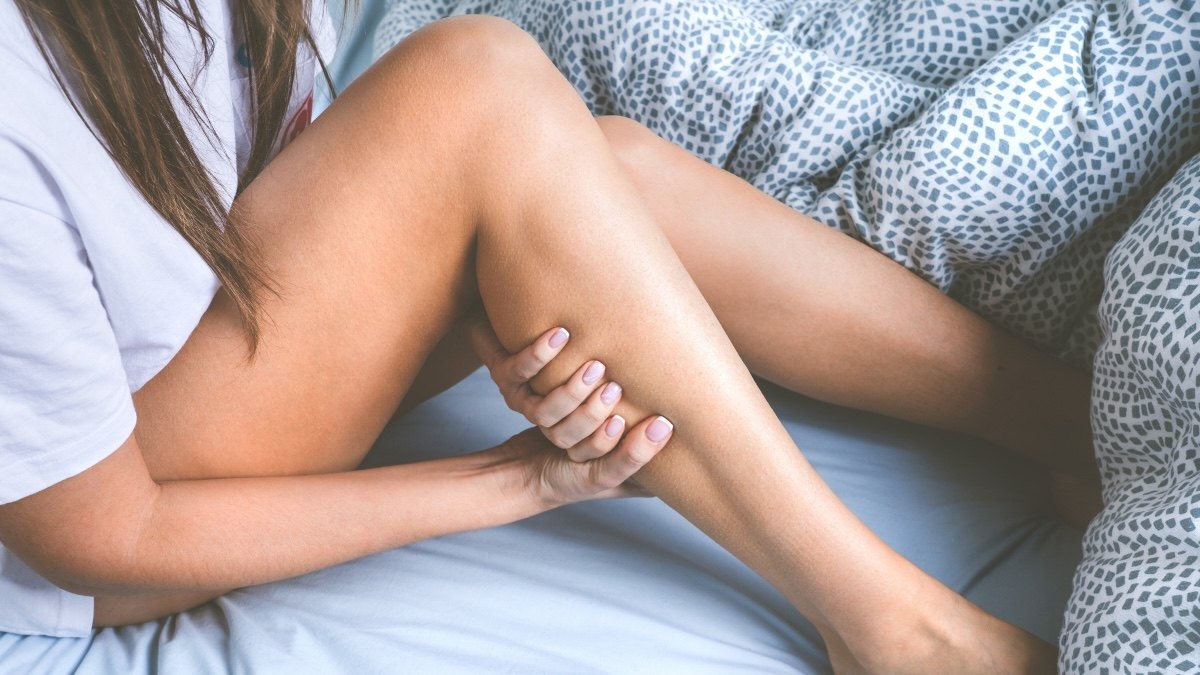
You’re sound asleep when it hits—that stabbing pain in your calf that yanks you out of your dreams and leaves you rocking back and forth, waiting for relief. If you’ve ever wondered how to get rid of a charley horse fast, you’re in good company. These sudden muscle spasms strike up to 60 percent of adults, according to research in American Family Physician, and they tend to become more common in older adults. The good news? A few simple tricks can ease the pain in minutes—and help keep the next one from waking you up at 3 a.m.
What is a charley horse?
A charley horse is a sudden, involuntary muscle contraction, most often in the calf, foot or hamstring. “A cramp is when your muscle tightens suddenly, often causing sharp pain,” explains Raj Dasgupta, MD, Chief Medical Advisor for Sleepopolis. “Leg cramps, especially at night, usually happen in the calf or foot and feel like a painful knot or squeezing that can stop you in your tracks.”
These muscle cramps happen “when nerve signals misfire, causing the muscle to contract and stay tense instead of relaxing,” adds Jaclyn Tolentino, DO, lead functional Medicine Practitioner at Love.Life. And for women, Dr. Tolentino notes, they tend to strike more often with age “due to hormonal shifts, circulation changes and lower levels of key minerals like magnesium and potassium.”
6 risk factors for a charley horse
Some of the most common triggers for cramping legs, per our experts:
- Dehydration and electrolyte imbalance. Low levels of magnesium, potassium, sodium and calcium leave muscles primed to seize up.
- Overuse. Long walks, extra time in the garden or chasing grandkids can lead to muscle fatigue, which can spark a nighttime cramp.
- Hormonal shifts. Estrogen helps regulate blood flow and electrolyte balance, so dips during menopause can bring on more spasms in affected muscles.
- Age-related muscle loss. Sarcopenia leaves muscles weaker and more easily overtaxed.
- Certain medications. Diuretics and statins can deplete key minerals, Dr. Tolentino says.
- Poor circulation and nerve compression. Prolonged sitting, varicose veins or a pinched nerve can all set the stage for a charley horse, adds Zach Smith, DPT, physical therapist with HIDEF Physical Therapy.
How to get rid of a charley horse fast
When a cramp strikes, these simple treatments help stop it in its tracks.
Gently stretch the muscle
For a calf cramp, carefully pull your toes upward toward your shin to lengthen the muscle, Smith says. “Standing up and putting weight through the leg and lightly stretching helps to calm a cramp,” he adds. Move slowly—overstretching can make things worse.
Massage away aches
A light rub with your fingers or a foam roller boosts blood flow and loosens the knot, says Brynna Connor, MD, healthcare ambassador at NorthWestPharmacy.com. Dr. Tolentino suggests smoothing on magnesium lotion as you massage for an extra calming effect.
Apply heat—or cold
A warm compress relaxes tight muscles by improving circulation, while an ice pack can numb sharp pain and reduce inflammation, Smith notes. A warm Epsom salt bath also soothes spasms, Dr. Tolentino adds.
Sip pickle juice
It sounds odd, but more than a dozen studies suggest sipping pickle juice can stop a charley horse fast. “People assume the electrolytes from the sodium help, but by the time they are absorbed, the cramp will likely already be gone,” explains registered dietitian Rhyan Geiger, RDN. “The acetic acid may be the hidden hero here. When it comes into contact with the back of our throat, it calms down nerve cells.”
In fact, Harvard Medical School research found that just half an ounce before bed reduces nighttime cramping by as much as 46 percent. No pickle juice on hand? Spread a little yellow mustard on a cracker—a Methodist University study found it works similarly thanks to its own acetic acid content.
How to prevent the next one
To keep charley horses from disrupting your sleep, give these preventative tricks a try:
- Drink plenty of water. Water plus an electrolyte-rich drink helps restore the balance your muscles need, Smith says.
- Eat for your muscles. Bananas, avocados, leafy greens, nuts, potatoes, oranges, yogurt and salmon deliver potassium, magnesium and calcium—the trio most tied to cramp prevention. For a cramp-soothing side dish made easy, consider The Little Potato Co.’s microwavable homestyle ranch potatoes.
- Try drumsticks and spinach for dinner. Dark meat chicken paired with leafy greens supplies all the B-complex vitamins the body needs to prevent leg cramps in 86 percent of folks, suggests research in The Journal of Clinical Pharmacology.
- Do a stair stretch. Hang your heels off the edge of the bottom stair for 30 seconds, then lift onto your toes for two seconds. Four rounds reduced nighttime cramping by 58 percent, per the Journal of Physiotherapy.
- Untuck the sheets. University of Utah scientists found loosening tightly tucked top sheets blocks charley horses for up to 58 percent of people over 55 by keeping feet from locking into a cramp-triggering pointed position.
When to check with your doctor about charley horses
If cramps keep returning, last several minutes or come with weakness, numbness or swelling, talk to your doctor. Dr. Tolentino says these can signal a circulation or nerve issue worth a closer look. For most of us, though, a sip of pickle juice, a gentle stretch-and-massage technique and a few mineral-rich meals are all it takes to help get rid of a charley horse fast.

The Farmer's Dog Snap Sticks, Human Grade Dog Treats, Chicken & Apple 3oz | Human-Grade Dog Treats for Puppies and Adult Dogs, For All Ages, Sizes and Breeds
$11.99 (as of October 26, 2026 03:23 GMT +00:00 - More infoProduct prices and availability are accurate as of the date/time indicated and are subject to change. Any price and availability information displayed on [relevant Amazon Site(s), as applicable] at the time of purchase will apply to the purchase of this product.)
Nutramax Cosequin Joint Supplement for Dogs, Chewable Tablets, 132ct | Glucosamine + Chondroitin for Dogs with MSM, Supports Healthy Joints, All Breeds & Sizes, All Ages
$34.91 (as of October 26, 2026 03:13 GMT +00:00 - More infoProduct prices and availability are accurate as of the date/time indicated and are subject to change. Any price and availability information displayed on [relevant Amazon Site(s), as applicable] at the time of purchase will apply to the purchase of this product.)
Amazon Fire TV Stick 4K Plus with AI-powered Fire TV Search, Wi-Fi 6, stream hundreds of thousands of movies and shows, free & live TV, find shows faster with Alexa+
$39.99 (as of October 26, 2026 03:23 GMT +00:00 - More infoProduct prices and availability are accurate as of the date/time indicated and are subject to change. Any price and availability information displayed on [relevant Amazon Site(s), as applicable] at the time of purchase will apply to the purchase of this product.)
Banana Bunch (4-5 Count)
(as of October 26, 2026 03:13 GMT +00:00 - More infoProduct prices and availability are accurate as of the date/time indicated and are subject to change. Any price and availability information displayed on [relevant Amazon Site(s), as applicable] at the time of purchase will apply to the purchase of this product.)













Post Comment