
This One Work-From-Home Upgrade Will Skyrocket Your Productivity and Transform Your Daily Grind—Here’s Why No One’s Talking About It Yet!
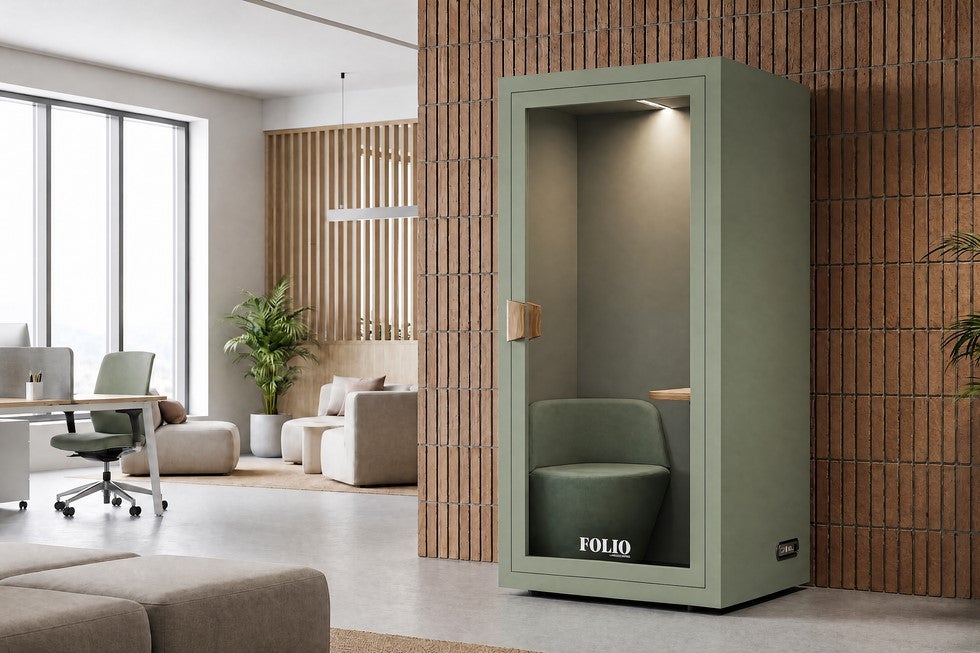
Ever noticed how your home office looks like a gadget showroom, boasting the latest monitor, a flashy mechanical keyboard, and enough headphones to start a mini music store — yet your productivity stubbornly refuses to budge? It’s like decking your desk out in a new outfit but leaving the party a no-show. The real game-changer isn’t about that shiny tech or the perfectly lit selfie corner; it’s something a bit more… mundane—finding a genuinely quiet place to focus and take calls. Sound dull? Maybe. Effective? Absolutely. Because let’s face it, no fancy gear can hush the chaos of household noises that actually wreck your concentration. So, before you splash out on that next gizmo, ask yourself: are you upgrading your workspace or just dressing it up for the ‘Gram? Dive into the surprising truth behind what actually boosts your work-from-home output — it’s not what you think. LEARN MORE
Most home-office upgrades are gear.
A bigger monitor, a mechanical keyboard, a ring light, another pair of headphones. They look good on the desk and change almost nothing about how well you actually work. The upgrade that does move the needle is duller and more effective: a genuinely quiet place to think and take calls. Get that right and the rest is decoration.
Why the gear does not fix it
There is nothing wrong with a good setup. The problem is that most of it targets comfort and looks, not focus.
The thing that wrecks concentration at home is not a slow laptop. It is noise, and specifically the kind you can understand. Your brain is built to follow speech it can make out, which is why one person talking nearby derails you more than a far louder but wordless sound.
No monitor fixes that. Neither does another app. You solve a noise problem with space, not accessories.
Marketing leans hard on the idea that the right kit unlocks productivity. It rarely does. A better desk makes a nicer photo; it does not quiet the room around it.
What actually improves your output
The real upgrade is a place that does not carry sound, plus a couple of habits to protect it. In order of impact:
- A door you can close. It is the most effective focus tool most homes already have, and it costs nothing.
- Soft surfaces. A rug, curtains, and a bit of clutter absorb the echo that makes a hard room feel chaotic and loud.
- A fixed spot, off the main path. Working at the kitchen island guarantees interruption. A defined corner away from the traffic does not.
- Protected time. Block the hour that matters, kill the notifications, and let the household know the rule.
None of that is glamorous. All of it works, which is more than can be said for most of the gear.
If you are going to spend, spend here
Two things are worth real money in a home office, and neither tops the usual upgrade lists.
The first is a chair that supports a full working day. Your back notices it long before your setup impresses anyone. The second, if the room is working against you, is a way to add quiet, which for a lot of people means a booth rather than another accessory.
Everything else, the desk, the lamp, the second monitor, can be modest. Spend on the things your body and your focus actually feel, and skip the ones that only photograph well.
Get the call setup right
If your week is full of video calls, two things are worth attention, and neither is a fancier camera.
The first is sound going out. In an open, echoey room you are hard to hear and easy to talk over, which reads as unprofessional even when the work is good. Soft surfaces and a smaller, enclosed space fix that. The second is privacy. Some calls should not be broadcast to whoever else is home, and a door solves that better than a lowered voice ever will.
On a good day, nobody notices your audio. On a bad one, it is all they notice.
A quick reality check
Try this. Think about the last time you did your best focused work at home. The odds are it was early, late, or on a day the house happened to be empty, in other words, when it was quiet.
That is the tell. It was never the gear that made those sessions work. It was the absence of noise. Recreate that on purpose, instead of waiting for it to happen by accident, and good work stops being a matter of luck.
When there is no room to spare
Here is the catch. Not every home has a door to close. Open-plan apartments, shared spaces, and thin walls beat every trick above.
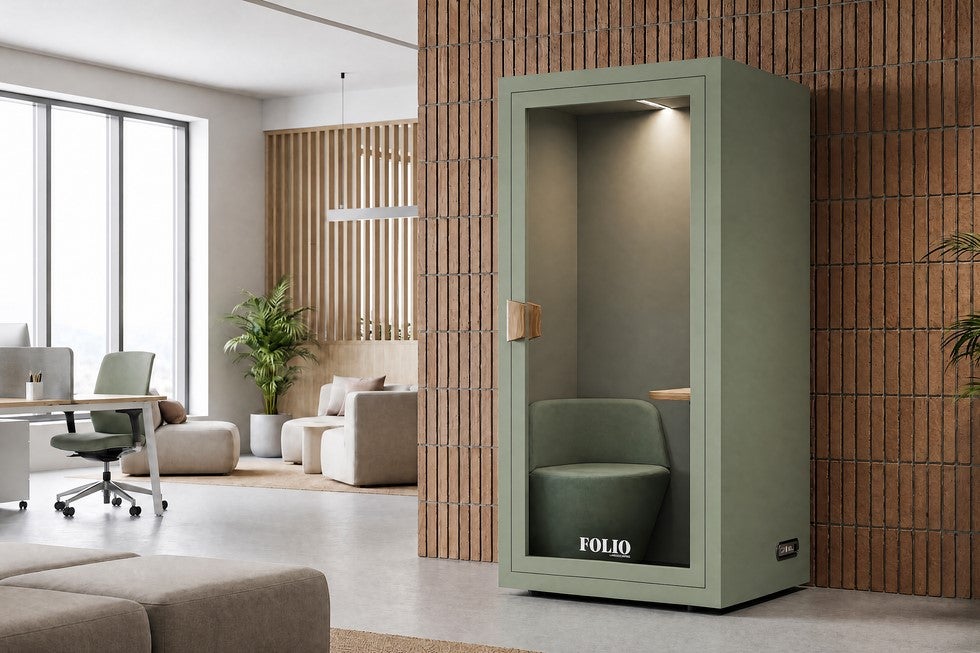
When that is the situation, the move is to add a room rather than keep fighting the one you have. A freestanding acoustic pod is exactly that: a compact, self-contained booth you drop into a room, a garage, or a corner and step into for calls and focused work, with no construction involved. For anyone out of spare rooms but full of calls, it is worth seeing what an office pod from SoundBox Store looks like, and the best soundproof office pods, compared is a quick way to see how the options stack up on size and sound.
The bottom line
If you are going to spend on the home office, spend where it changes the work. That is not the next accessory, it is quiet: a door, some soft surfaces, a protected hour, and a real enclosed space where the house cannot spare a room. Sort the noise out and the expensive gear finally has something worth doing, because you are actually getting things done around it.

STRELLALAB Hemp Calming Chews for Dogs - Stress, Anxiety Relief Treats | Advanced Relaxing Support Supplement w/ Melatonin - Separation, Barking, Fireworks & Travel - All Breeds, Sleep Aid (120Ct)
$19.90 (as of October 27, 2026 03:23 GMT +00:00 - More infoProduct prices and availability are accurate as of the date/time indicated and are subject to change. Any price and availability information displayed on [relevant Amazon Site(s), as applicable] at the time of purchase will apply to the purchase of this product.)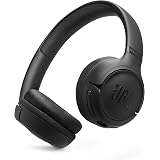
JBL Tune 530BT - Wireless on-ear headphones with Bluetooth® 6.0 (Black) | Powerful JBL Pure Bass Sound, 2 beamforming mics for perfect calls, Up to 76 hours (45hrs Talk time) & Multi-point connection
$39.95 (as of October 27, 2026 03:34 GMT +00:00 - More infoProduct prices and availability are accurate as of the date/time indicated and are subject to change. Any price and availability information displayed on [relevant Amazon Site(s), as applicable] at the time of purchase will apply to the purchase of this product.)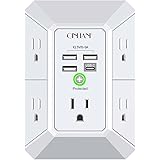
Wall Charger, Surge Protector, QINLIANF 5 Outlet Extender with 4 USB Ports | 1680 Joules, 3-Sided Power Strip, Multi Plug Wall Outlet Adapter Spaced for Home Travel Office, White
$11.98 (as of October 27, 2026 03:23 GMT +00:00 - More infoProduct prices and availability are accurate as of the date/time indicated and are subject to change. Any price and availability information displayed on [relevant Amazon Site(s), as applicable] at the time of purchase will apply to the purchase of this product.)
ARM & HAMMER Cloud Control Platinum- Improved Packaging Clumping Cat Litter, 34 lb
$32.16 (as of October 27, 2026 03:23 GMT +00:00 - More infoProduct prices and availability are accurate as of the date/time indicated and are subject to change. Any price and availability information displayed on [relevant Amazon Site(s), as applicable] at the time of purchase will apply to the purchase of this product.)













Post Comment