
Unlock the Secret to the Perfect Shave: 6 Safety Razors That Could Change Your Grooming Game Forever
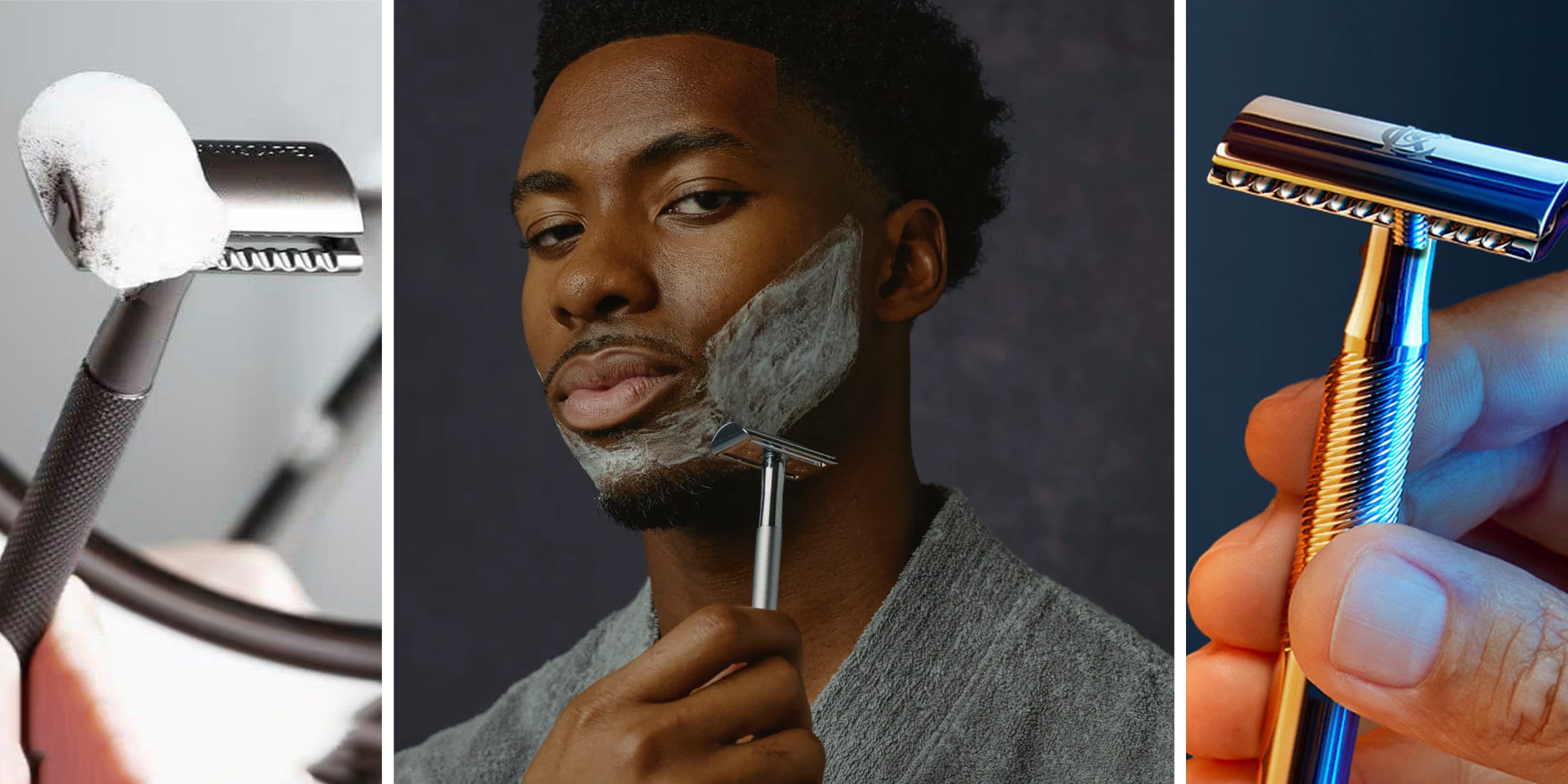
Ever wondered why your safety razor feels like a little handheld anvil or why switching blades sometimes makes you feel like you’re performing surgery without a license? Well, you’re not alone. Diving into the world of safety razors isn’t just about picking up any slick metal thingy off the shelf—it’s about understanding the weight, types of blades, and even whether your razor head opens like a butterfly or screws off like an ancient jar lid. It’s a lot more nuanced than I initially thought, and honestly, getting the right combo can make your morning shave feel less like a battle and more like a smooth, gravity-assisted glide. Stick with me as I break down what really matters, so you don’t end up with a razor that doubles as a dumbbell or a blade that’s tougher to find than your car keys. Ready to level up your shave game? LEARN MORE

Whether or not you’re experienced with safety razors, there are a few things to take into account when choosing the right one for you.
Weight: You’ll notice that most safety razors are way heavier than the drugstore cartridge razors you may be used to, and it’s not just because they’re made of metal. That’s by design. Safety razors tend to concentrate their weight in the head, which allows them to use gravity to give you a smooth shave without applying too much pressure (which can lead to nicks and cuts). Not all safety razors are the same weight, though. Ultimately you want to find a razor that is heavy enough to give you a good, close shave but not so heavy that your hand gets tired halfway through the process.
Blades: Most safety razors will use a traditional double-edged blade. This allows you to use both sides of the blade to get a little more usage out of it. Some razors will use a single-edged blade, usually called an injector blade, which is often thicker and more durable than its double-edged counterparts. Double-edged blades are preferable, but whichever you choose, make sure refills are readily available, as you’ll need to change the blade every few uses. (Most safety razors, especially those that use double-edged blades, can be refilled with any brand of blade.)
Razor Head Type: Speaking of changing the blades, safety razors typically come with two types of head. The most common is screw-off, where you unscrew the head of the razor in order to change the blade. The downfall of these is that while they’re easy in theory, it means the head comes in multiple parts that must be unscrewed and then screwed back together, making for a somewhat complicated experience, especially for beginners. The other kind, butterfly, pops up in the middle and allows you to drop in the blade.
Open Comb vs. Closed Comb: In this case, “comb” refers to how much distance there is between the razor head and the blade itself. The more open the comb, the more aggressive the shave. Closed comb razors are especially ideal for beginners because they help cut down on the risk of nicks and cuts (as there is no space for skin to get caught). Open-comb razors are ideal for people with thicker beards or longer stubble, as they allow more hair to reach the blade at once, but they carry a higher risk for nicks and cuts.
Adjustable Settings: Some razors will allow you to adjust the settings to take it between a closed and an open comb. Usually this involves different inserts that push space between the blade and the razor head. While not always necessary for everyone, this is ideal if you like to allow time between shaves and sometimes shave with a few days’ worth of stubble or more.
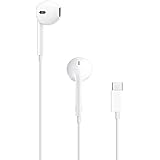
Apple EarPods Headphones with USB-C Plug, Wired Ear Buds with Built-in Remote to Control Music, Phone Calls, and Volume
$19.00 (as of November 4, 2026 03:25 GMT +00:00 - More infoProduct prices and availability are accurate as of the date/time indicated and are subject to change. Any price and availability information displayed on [relevant Amazon Site(s), as applicable] at the time of purchase will apply to the purchase of this product.)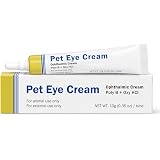
Pet Eye Ointment, Dog & Cat Eye Drops Alternative, 1 Tube 10g (0.35 oz) | Soothing Eye Cream for Dogs, Cats, Kittens, Puppies, Rabbits & Horses, Cleans Discharge, Crust & Irritation
$19.99 (as of November 4, 2026 03:25 GMT +00:00 - More infoProduct prices and availability are accurate as of the date/time indicated and are subject to change. Any price and availability information displayed on [relevant Amazon Site(s), as applicable] at the time of purchase will apply to the purchase of this product.)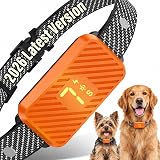
Smart Bark Collar for Large Medium Small Dogs, Rechargeable No-Bark Collar, Stop Barking Collar, 2026 Upgraded Dog Bark Collar with 3 Modes, 7 Sensitivity, Pumpkin Orange
$27.99 (as of November 4, 2026 03:25 GMT +00:00 - More infoProduct prices and availability are accurate as of the date/time indicated and are subject to change. Any price and availability information displayed on [relevant Amazon Site(s), as applicable] at the time of purchase will apply to the purchase of this product.)
CAWOOYII 2 PACK Crinkle Newspaper Dog Toy , Dog Newspaper toy | Stuffing-Free, Satisfying Crisp Sound for Gentle Play & Daily Enrichment, Aesthetic Photo Prop & Funny Gift for Pups
$20.99 (as of November 4, 2026 03:25 GMT +00:00 - More infoProduct prices and availability are accurate as of the date/time indicated and are subject to change. Any price and availability information displayed on [relevant Amazon Site(s), as applicable] at the time of purchase will apply to the purchase of this product.)













Post Comment