
The Hidden Power of Building Cleaning Services: Why Smart Investors Are Betting Big on Tenant Health Now

Ever wondered how a spotless lobby or an immaculate elevator button might actually be working overtime to keep you healthy? It’s funny how the places we take for granted—the shared hallways, communal restrooms, buzzing elevators—can be silent battlegrounds for dust, germs, and who-knows-what lurking on surfaces. You might think a quick wipe here and there does the trick, but the truth is, tenant health hinges on much more than occasional tidying. It calls for a well-oiled, laser-focused cleaning routine that not only welcomes visitors with fresh air and sparkling floors but also fends off the unseen threats that can compromise comfort and wellbeing. It’s about understanding every stage of the cleaning cycle—how dedicated crews track, respond, and tailor service to the unique rhythm of each building, turning grime into a manageable adversary. Ready to dive deeper into the art and science of building cleaning that actually protects tenant health? LEARN MORE
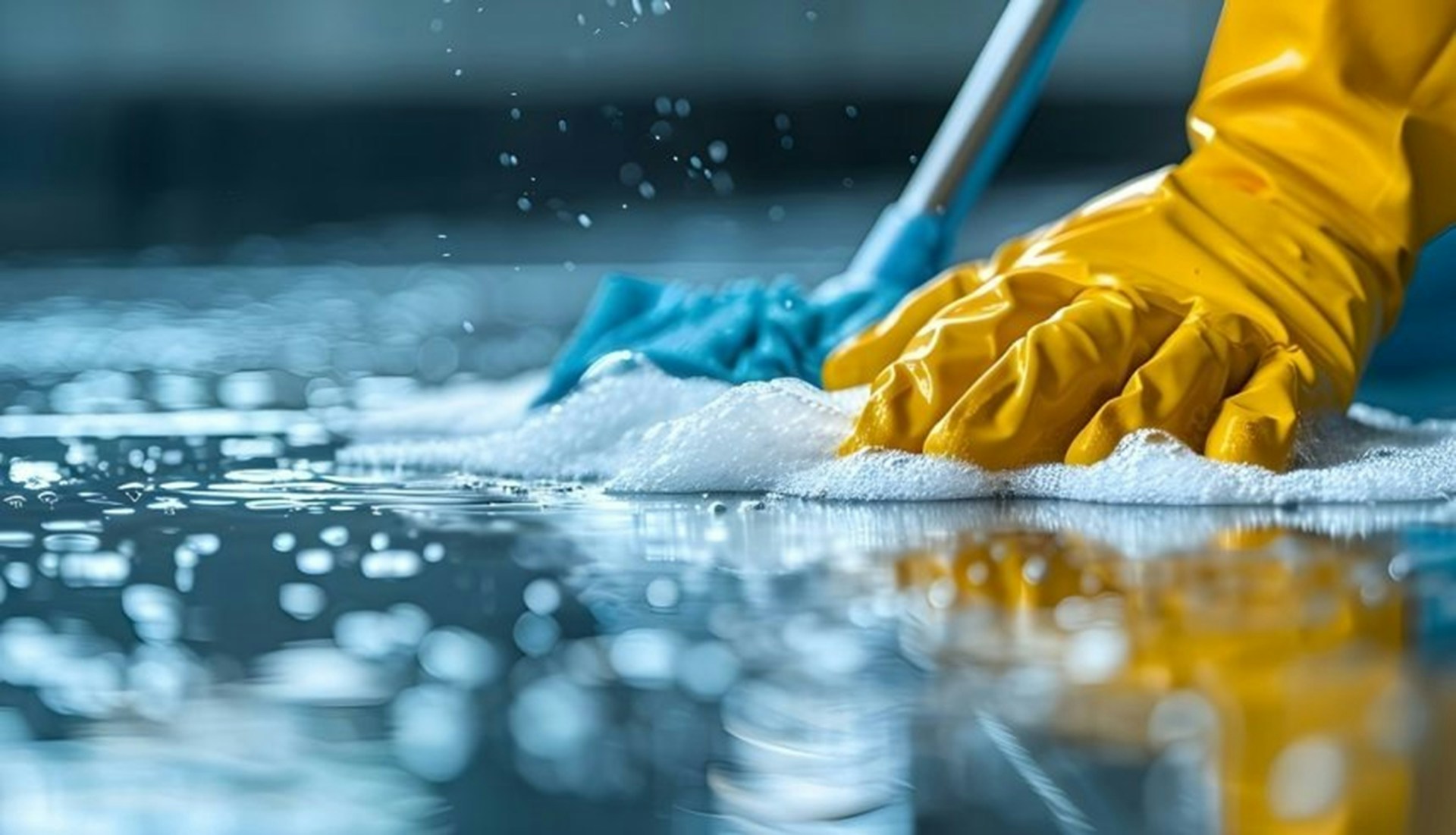
Tenant health depends partly on conditions in shared spaces. Dust, residue, moisture, and frequently touched surfaces affect air quality, hygiene, and daily comfort. A cleaning plan that follows building use addresses these risks more consistently than irregular service. Dedicated crews also document routines, respond to spills, and coordinate work around occupants. The right approach begins with understanding how building cleaning protects tenants at each stage of the service cycle.
A dedicated cleaning schedule gives property teams a repeatable way to manage shared hallways, lobbies, elevators, restrooms, and other high-use areas. Professional building cleaning services connect daily janitorial work with disinfection, floor care, carpet care, and sanitation procedures, so each area receives attention based on traffic and surface type. That consistency helps tenants encounter cleaner, more predictable common spaces.
Cleaning Controls High-Touch Exposure
Door handles, elevator buttons, railings, restroom fixtures, and shared counters receive repeated contact throughout each day. Soil and microorganisms collect on these surfaces when cleaning schedules ignore traffic patterns or rely on occasional service.
A dedicated crew follows a defined routine for high-touch areas. Disinfection then supports regular cleaning by treating surfaces after crews remove visible soil. This order matters because residue can interfere with disinfectant contact.
Restrooms need the same discipline. Crews must clean fixtures, partitions, floors, and touchpoints while replacing supplies and reporting leaks or damaged surfaces. A consistent process helps prevent neglected areas from becoming recurring hygiene concerns.
Floors And Air Affect Daily Comfort
Floor care influences tenant health because foot traffic moves dust, grit, and residue through entrances and common corridors. Vacuuming, mopping, carpet care, and periodic floor treatment reduce the material that becomes airborne during daily movement.
Carpets require scheduled care rather than occasional spot treatment. Embedded soil can affect appearance, create odors, and become airborne when people walk across a neglected surface. Proper equipment and planned service intervals keep carpeted areas cleaner between visits.
Moisture also requires prompt attention. Wet floors increase slip risk, while damp carpet or hidden leaks support odor and microbial growth. Cleaning crews should identify these conditions quickly and report building problems before they spread.
Service Plans Must Match Building Use
An office building, apartment property, medical group, school, or fitness center has different traffic patterns and cleaning demands. A practical plan assigns work based on occupancy, operating hours, surface materials, and shared tenant areas.
Busy entrances may need attention several times during a workday, while lower-traffic spaces can follow a different schedule. Restrooms, elevators, break rooms, and fitness areas require clear task lists because occupants use them repeatedly.
Scheduling also protects tenant comfort. Crews can complete noisy floor work, window washing, or power washing during suitable periods, while routine cleaning continues with fewer interruptions. Coordination reduces exposure to wet floors, cleaning chemicals, and equipment in active areas.
Quality Control Keeps Standards Consistent
A service plan only protects tenants when crews complete it correctly. Supervisors can inspect finished areas, confirm assigned tasks, and address missed work before conditions become routine.
Written checklists help clarify expectations for each building zone. They can cover touchpoint disinfection, restroom sanitation, waste removal, floor care, carpet care, and supply replenishment. Records also help property managers identify repeated issues and adjust service frequency.
Product use requires attention as well. Cleaning chemicals should match the surface and task, and crews should follow label directions for dilution, contact time, storage, and ventilation. Green cleaning options can support indoor conditions when the products suit the building’s needs.
Tenant Communication Supports Safer Spaces
Cleaning affects tenants directly, so building staff should communicate work schedules, temporary closures, spills, and wet-floor conditions. Clear notices help occupants avoid areas that require drying time or specialized treatment.
Property managers also need a simple reporting process for leaks, odors, overflowing waste, pest evidence, or damaged flooring. Fast communication lets cleaning crews address the immediate condition while building staff investigates the underlying cause.
This coordination gives tenants a practical role without shifting cleaning responsibilities onto them. Occupants can report concerns, follow posted safety notices, and keep personal items clear of scheduled work areas.
Conclusion
A dedicated building cleaning service protects tenant health through repeatable routines, suitable products, trained oversight, and work schedules that reflect actual building use. High-touch disinfection, floor and carpet care, moisture control, and clear communication address different sources of discomfort and exposure. Property managers should review current cleaning tasks by area, traffic level, and surface type, then set inspection points for each zone. That review creates a measurable starting point for safer, cleaner shared spaces.
<!–
–>

Alex Tech 10ft - 1/2 inch Cord Protector Wire Loom Tubing Cable Sleeve Split Sleeving For USB Cable Power Cord Audio Video Cable – Protect Cat From Chewing - Black
$8.99 (as of November 2, 2026 03:25 GMT +00:00 - More infoProduct prices and availability are accurate as of the date/time indicated and are subject to change. Any price and availability information displayed on [relevant Amazon Site(s), as applicable] at the time of purchase will apply to the purchase of this product.)
ARM & HAMMER Clump & Seal Platinum Cat Litter, Multi-Cat, 34 lbs | Clumping Litter, Rock-Hard Clumps, Baking Soda Odor Eliminators, 14-Day Odor Control, Online Only
$34.99 (as of November 2, 2026 03:25 GMT +00:00 - More infoProduct prices and availability are accurate as of the date/time indicated and are subject to change. Any price and availability information displayed on [relevant Amazon Site(s), as applicable] at the time of purchase will apply to the purchase of this product.)
Apple AirPods Pro 3 Wireless Earbuds with Active Noise Cancellation | Live Translation, Heart Rate Sensing, Hearing Aid Feature, Bluetooth Headphones, Spatial Audio, USB-C Charging
$199.00 (as of November 2, 2026 03:25 GMT +00:00 - More infoProduct prices and availability are accurate as of the date/time indicated and are subject to change. Any price and availability information displayed on [relevant Amazon Site(s), as applicable] at the time of purchase will apply to the purchase of this product.)
Frito-Lay Fun Times Mix Variety Pack, 40 Count
$22.43 (as of November 2, 2026 03:14 GMT +00:00 - More infoProduct prices and availability are accurate as of the date/time indicated and are subject to change. Any price and availability information displayed on [relevant Amazon Site(s), as applicable] at the time of purchase will apply to the purchase of this product.)














Post Comment