
Breaking: Mysterious Projectile Strikes Riyadh’s King Abdullah Financial District – What This Means for Global Investors!

So, what happens when a rocket manages to crash the party at Riyadh’s swanky King Abdullah Financial District—right in the heart of Saudi Arabia’s economic hub? Well, suddenly, the buzz isn’t about booming markets or skyscraper selfies, but rather, a glaring question: how bulletproof—or should I say missile-proof—are Saudi’s air defenses, really? Despite the coalition’s claim of intercepting two ballistic missiles fired by the Iran-backed Houthi group, a projectile still found a way to make a dent. It’s like having a high-tech security system but someone’s still getting in through the back door. This incident isn’t just a news blip; it throws a wrench in regional stability and sends ripples through market confidence, stirring speculation about potential airspace closures before the year wraps up. Investors, entrepreneurs, and strategists alike should keep a keen eye on how Riyadh’s authorities respond—because in today’s volatile climate, every missed shot can reverberate far beyond the desert sands. LEARN MORE

A tower in Riyadh’s King Abdullah Financial District was reportedly damaged by a projectile on Sunday, according to Reuters. The incident, citing a witness and three people briefed on the matter, has raised concerns about security in the area. The Saudi-led coalition stated it intercepted two ballistic missiles launched toward Riyadh by the Iran-aligned Houthi movement from Yemen. However, Saudi authorities have yet to provide an official comment on the impact or any possible casualties. The event suggests vulnerability in the region’s air defenses, as the attack managed to cause damage despite reported interceptions.
Key Takeaways
- The reported projectile damage in Riyadh suggests potential vulnerabilities in Saudi air defenses.
- Market pricing implies increased concerns over Saudi airspace security, with potential consideration for airspace closure.
- The likelihood of a Saudi airspace closure by year-end has seen a modest increase, though remains low at 6.5% YES.
What to Watch
Observers may look for official statements from Saudi authorities, particularly the General Authority of Civil Aviation (GACA) or Saudi Air Navigation Services (SANS), regarding airspace security measures. Additional Houthi attacks or further air defense breaches could indicate heightened security threats, potentially influencing market pricing towards a YES outcome. Conversely, any de-escalation or ceasefire announcements could reduce the perceived likelihood of a nationwide airspace closure.
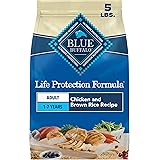
Blue Buffalo Life Protection Formula Chicken Adult Dry Dog Food, 5 lb | Real Chicken #1 Ingredient, Supports Immunity with Antioxidant-Rich LifeSource Bits, Promotes Healthy Muscle Development
$14.97 (as of November 8, 2026 03:22 GMT +00:00 - More infoProduct prices and availability are accurate as of the date/time indicated and are subject to change. Any price and availability information displayed on [relevant Amazon Site(s), as applicable] at the time of purchase will apply to the purchase of this product.)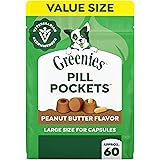
Greenies Pill Pockets Large Size Dog Treats, Peanut Butter, 15.8 oz | Vet-recommended, masks pill smell & taste, moldable texture, capsule size, natural ingredients, no fillers, 15.8 oz. pouch
$19.96 (as of November 8, 2026 03:22 GMT +00:00 - More infoProduct prices and availability are accurate as of the date/time indicated and are subject to change. Any price and availability information displayed on [relevant Amazon Site(s), as applicable] at the time of purchase will apply to the purchase of this product.)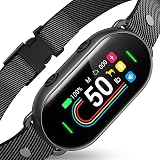
New Upgrade Smart Dog Bark Collar for Small Medium Large Dogs 10-100lbs, Humane Anti-Bark Device with Anti-False Trigger & Bark Count Tracking, 4 Modes & 8 Levels to Effectively Stop Barking
$34.99 (as of November 8, 2026 03:26 GMT +00:00 - More infoProduct prices and availability are accurate as of the date/time indicated and are subject to change. Any price and availability information displayed on [relevant Amazon Site(s), as applicable] at the time of purchase will apply to the purchase of this product.)
Amazon Fire HD 10 tablet, built for relaxation, 10.1" vibrant Full HD screen, octa-core processor, 4 GB RAM, 32 GB, Black
$72.99 (as of November 8, 2026 03:36 GMT +00:00 - More infoProduct prices and availability are accurate as of the date/time indicated and are subject to change. Any price and availability information displayed on [relevant Amazon Site(s), as applicable] at the time of purchase will apply to the purchase of this product.)








Post Comment