
Why Waiting for Customers to Buy Is Your Biggest Prospecting Mistake—And How to Turn It Into Your Greatest Advantage

Ever been stuck in that awkward dance where a customer says, “Not right now,” and suddenly you’re left wondering if you should nudge them for a yes or just vanish into thin air until they’re magically ready? Believe me, I’ve seen both moves wreck what could’ve been a solid relationship. After nearly three decades in the San Francisco Bay Area real estate trenches—surviving the dot-com crash, the 2008 meltdown, and now riding out the latest storm—I’ve learned that when folks aren’t ready to buy or sell, your prospecting game can’t just stall. It has to stay sharp and genuinely useful, keeping doors open without forcing a sale. The secret? A simple three-step system that’s less about chasing yeses and more about understanding where your customer really stands, setting meaningful next steps, and following through without cheesing up fake urgency. Let’s dive into why this approach works—not just for real estate, but for any business that depends on timing and trust. LEARN MORE
When a customer says, “Not right now,” a lot of owners do one of two things. They push for a decision that isn’t there, or they disappear until the person is “ready.” Both waste the relationship.
I’ve sold real estate in the San Francisco Bay Area for 27 years. I worked through two downturns, the dot-com bust and 2008, and I’m riding out a third now. In each of those stretches, people were not ready to buy or sell. Prospecting still had to be useful, or there was little to rebuild when they were ready.
The system I use is simple. It has three parts.
First, ask what has changed. A homeowner waiting on interest rates, a job move, or a family decision doesn’t need another “Are you listing this month?” They need a real question about their timeline. What changed at work? What changed in the house? What would have to be true before a move made sense? The same habit works for a consultant, an advisor, a contractor, or anyone else whose business depends on trust. You’re not fishing for a yes. You’re finding out where they actually are.
Second, agree on a relevant next contact. “I’ll follow up sometime” is how people get lost. Before you leave the conversation, pick a date and a reason that matter to them. If a seller wants to wait until the school year ends, the next call is after that date, about that decision. If a buyer wants to see what rates do after a refinance review, you set that check-in now. An accountant can do this at tax time. A designer can do it at the end of a lease. The point is the same: the next touch already has a purpose, and both of you know what it is.
Third, follow through without manufacturing urgency. Useful prospecting keeps the promise and leaves the decision with the customer. Fake deadlines, sudden pressure that “this won’t last,” and radio silence until someone is hot all teach people not to trust your next call. In a downturn, that trust is often the only thing you still have. Show up when you said you would. Share something that helps them decide, even if the decision is to wait. Then stop.
I’ve used this in quiet markets and in busy ones. The words stay almost the same. In a downturn, the useful next contact might be, “Has anything changed in your timeline?” In a stronger market, it might be, “Has the house started to feel too small, or is the plan still to wait?” The job is to make the call worth their time, not to force a yes.
None of this guarantees a sale. It keeps the conversation honest when a sale isn’t available. Relationship businesses live in that gap more than they like to admit. Real estate just makes it obvious, because a house is a large decision and people sit with it for a long time.
If you sell anything that depends on timing, try this on your next polite “not yet.” Ask what has changed. Agree on the next useful contact. Keep that appointment without turning it into a pitch. The prospecting stays useful even when the customer isn’t ready to buy. That’s the work that is still there when they are.
Greg McDaniel is a 27-year real estate agent, speaker, and leader of the McDaniel Group. To see his exact systems, read his latest insights, or book him to speak, visit greg1.com.


FUJIFILM Instax Mini Instant Film Twin Pack (White), 20 Photos | The instax film ensures sharp
$18.17 (as of November 17, 2026 03:27 GMT +00:00 - More infoProduct prices and availability are accurate as of the date/time indicated and are subject to change. Any price and availability information displayed on [relevant Amazon Site(s), as applicable] at the time of purchase will apply to the purchase of this product.)
New Upgrade Smart Dog Bark Collar for Small Medium Large Dogs 10-100lbs, Humane Anti-Bark Device with Anti-False Trigger & Bark Count Tracking, 4 Modes & 8 Levels to Effectively Stop Barking
$33.23 (as of November 17, 2026 03:27 GMT +00:00 - More infoProduct prices and availability are accurate as of the date/time indicated and are subject to change. Any price and availability information displayed on [relevant Amazon Site(s), as applicable] at the time of purchase will apply to the purchase of this product.)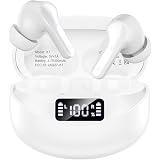
Wireless Earbuds, Bluetooth 5.4 Headphones HIFI Stereo/Crystal clear White | Noise Cancelling Mic Ear buds with 50H Playback, LED Digital Display, IPX7 Waterproof Earphones for Office/Running/Workout
$18.99 (as of November 17, 2026 03:37 GMT +00:00 - More infoProduct prices and availability are accurate as of the date/time indicated and are subject to change. Any price and availability information displayed on [relevant Amazon Site(s), as applicable] at the time of purchase will apply to the purchase of this product.)
Minties Mint Dental Chews for Dogs, Medium 25-50 lbs, 50 count | Vet-recommended mint chew for medium dogs 25-50 lbs; scrubs teeth; helps reduce plaque, tartar & bad breath; 50 count
$25.41 (as of November 17, 2026 03:27 GMT +00:00 - More infoProduct prices and availability are accurate as of the date/time indicated and are subject to change. Any price and availability information displayed on [relevant Amazon Site(s), as applicable] at the time of purchase will apply to the purchase of this product.)












Post Comment