
Why Did American Airlines Retire Its Priciest Long-Haul Seat – And What Does It Mean for Luxury Travel?
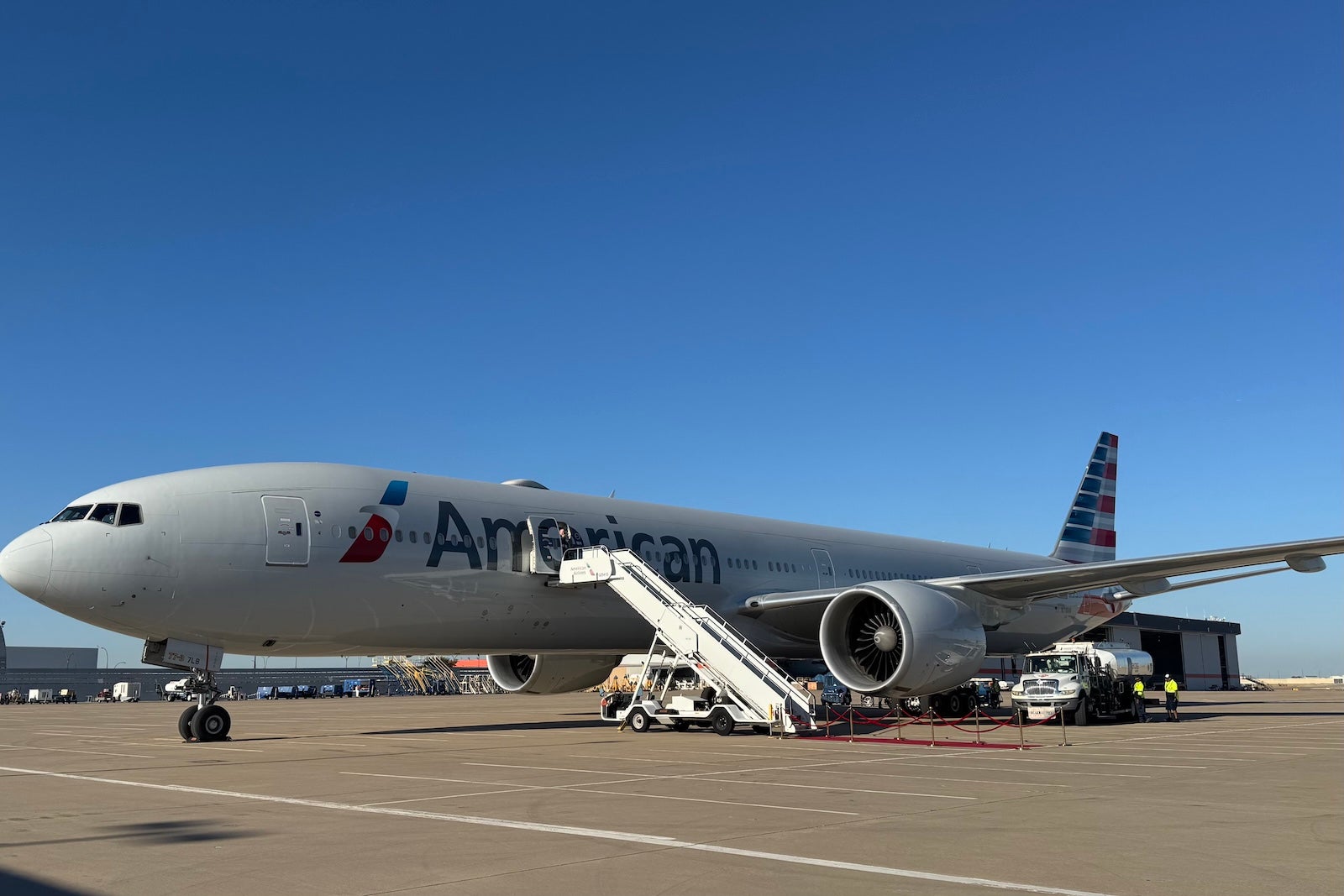
It’s not every day you witness the final curtain call for a chapter in aviation history, but this week, American Airlines quietly let the Flagship First international service take its bow. For years, we’ve been speculating, whispering over steaming cups of coffee about the day when this once-iconic, first-class product would fade into the past — and now, it’s official. What does it mean when a carrier bids adieu to a cabin that was once the epitome of exclusivity? Is it progress or just the inevitable modernization of air travel’s ever-evolving luxury? As American replaces its Flagship First with sleeker, tech-savvy business-class cabins boasting the shiny new Flagship Suites, one can’t help but wonder if this switch signals the end of an era or simply the start of a more accessible, yet equally elegant, sky-high experience. Buckle up — it’s a bittersweet journey worth taking. LEARN MORE
It’s the end of an era at American Airlines.
This week, the carrier (officially) bid farewell to Flagship First international service.
It’s been a long time coming.
We’ve been talking for years about American’s plans to retire its international-style first-class product.
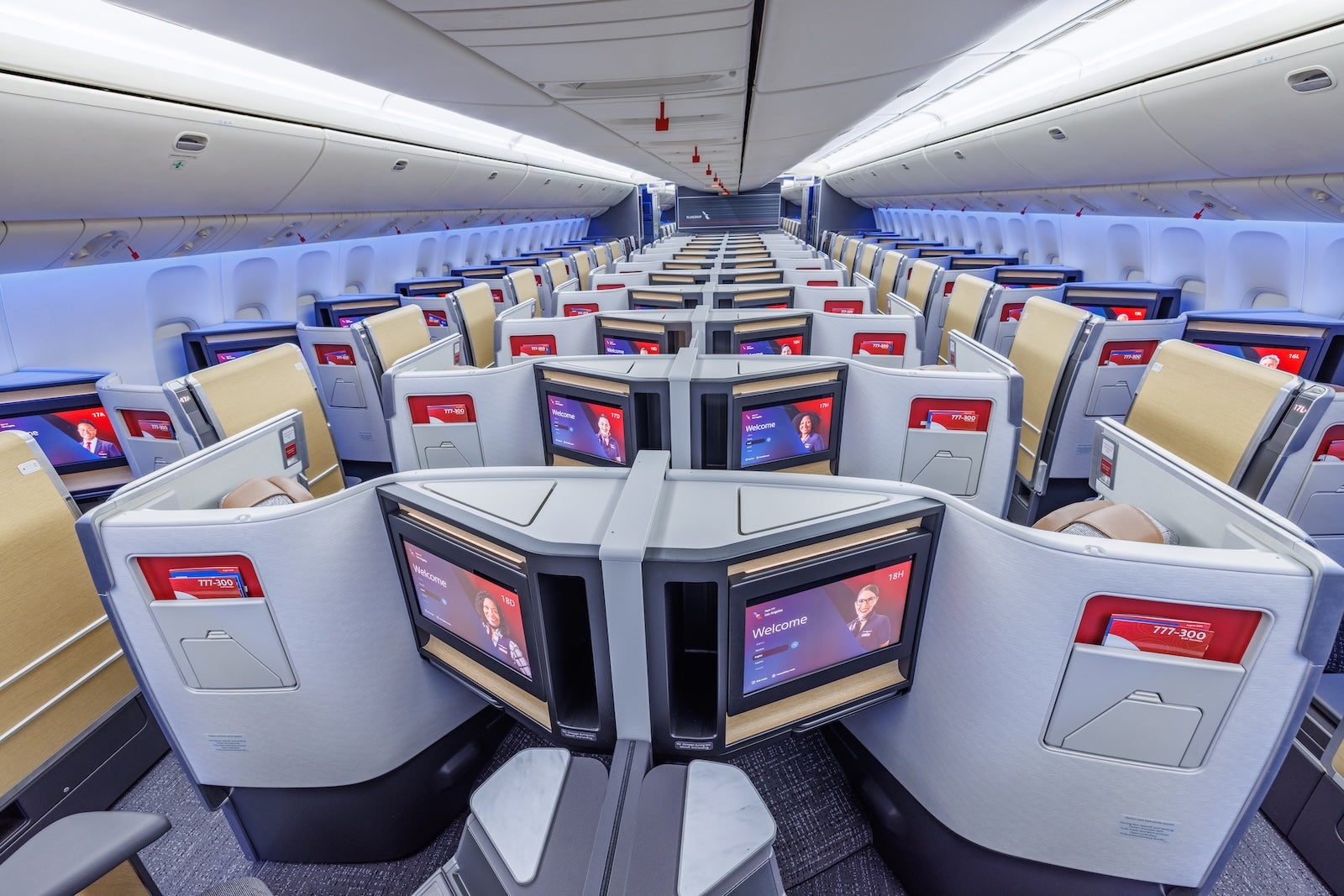
The airline is replacing Flagship First with larger and more modern business-class cabins on its marquee planes — cabins that will feature its next-generation Flagship Suites.
For a lot of flyers, that’s likely to be a positive shift: It will mean a host of upgrades in business-class, including seats with sliding privacy doors and superior tech.
But there’s at least a little nostalgia in bidding farewell to a cabin that, for many years, was billed as American’s most exclusive.
Why is American getting rid of Flagship First?
American was the last U.S. airline that claimed to offer a standalone, international first-class product.
Across the global airline industry, many carriers sunset long-haul first-class years ago, choosing to instead offer more — and improved — business-class seats, which take up less space and are considered more profitable.
For years, Delta Air Lines’ Delta One business-class suites have been its premier long-haul offering.
United Airlines bid farewell to international first class in 2018 when it pivoted to Polaris business class.
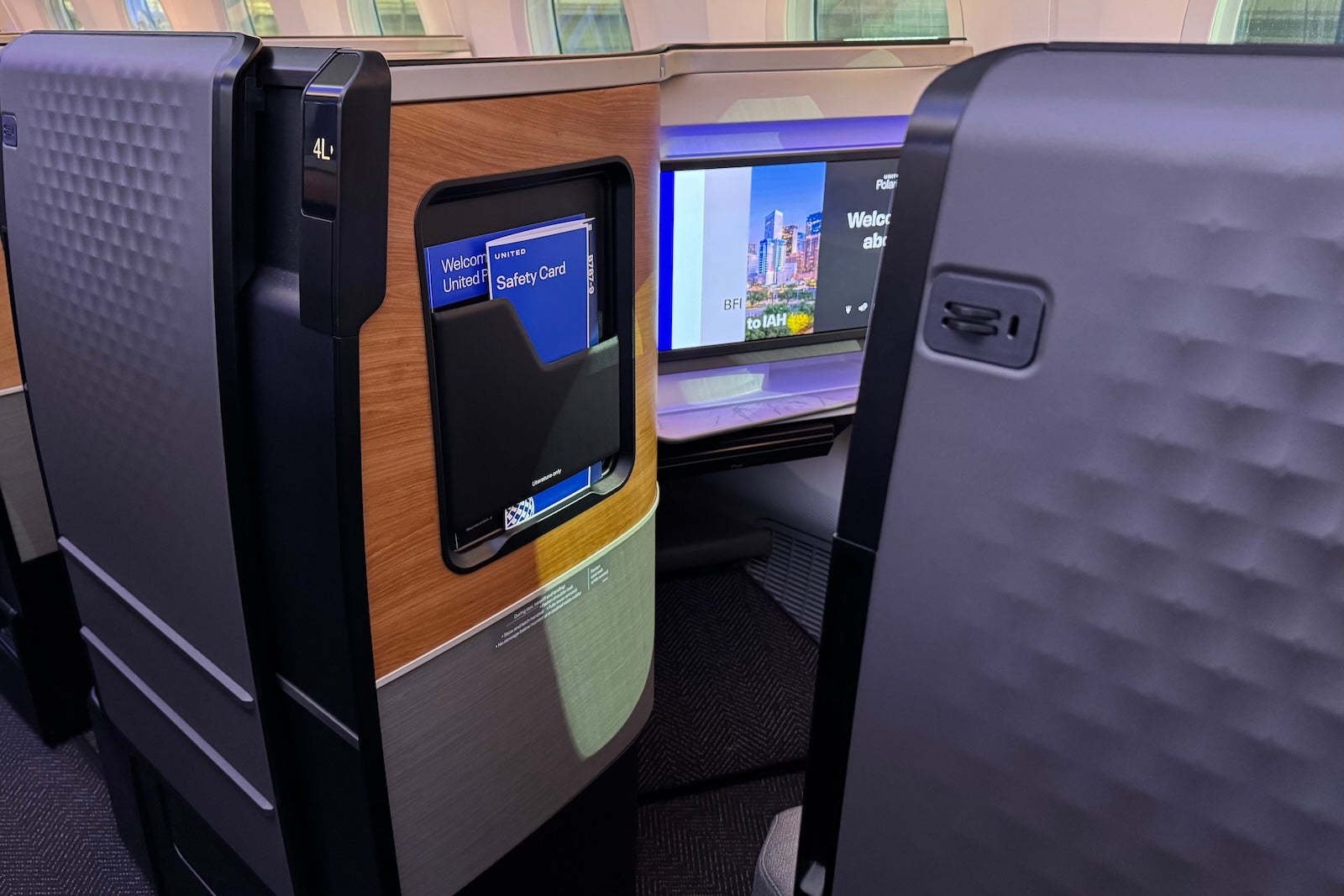
That left American’s Flagship First as a relic, of sorts, in the U.S. airline industry — and even on its own planes.
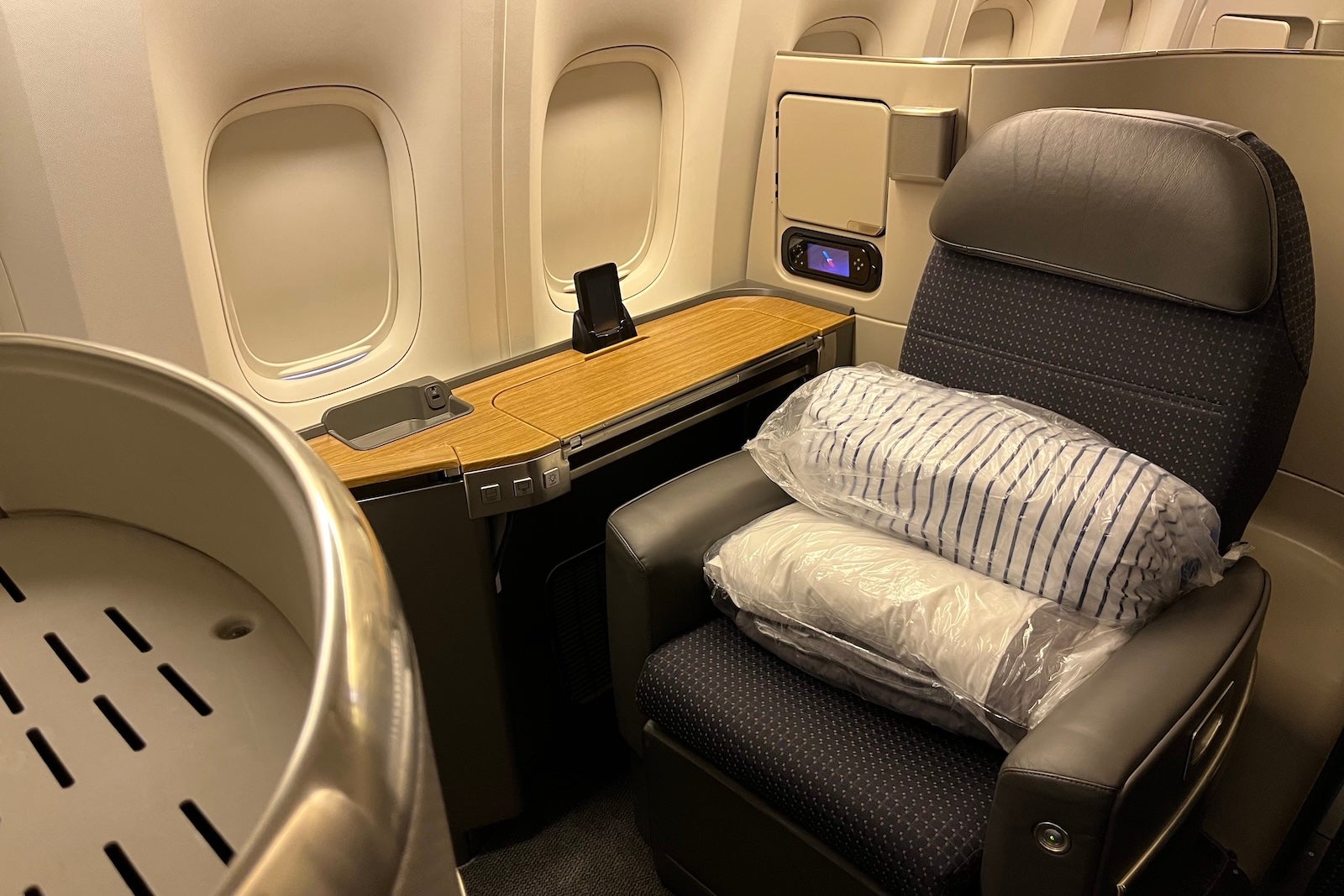
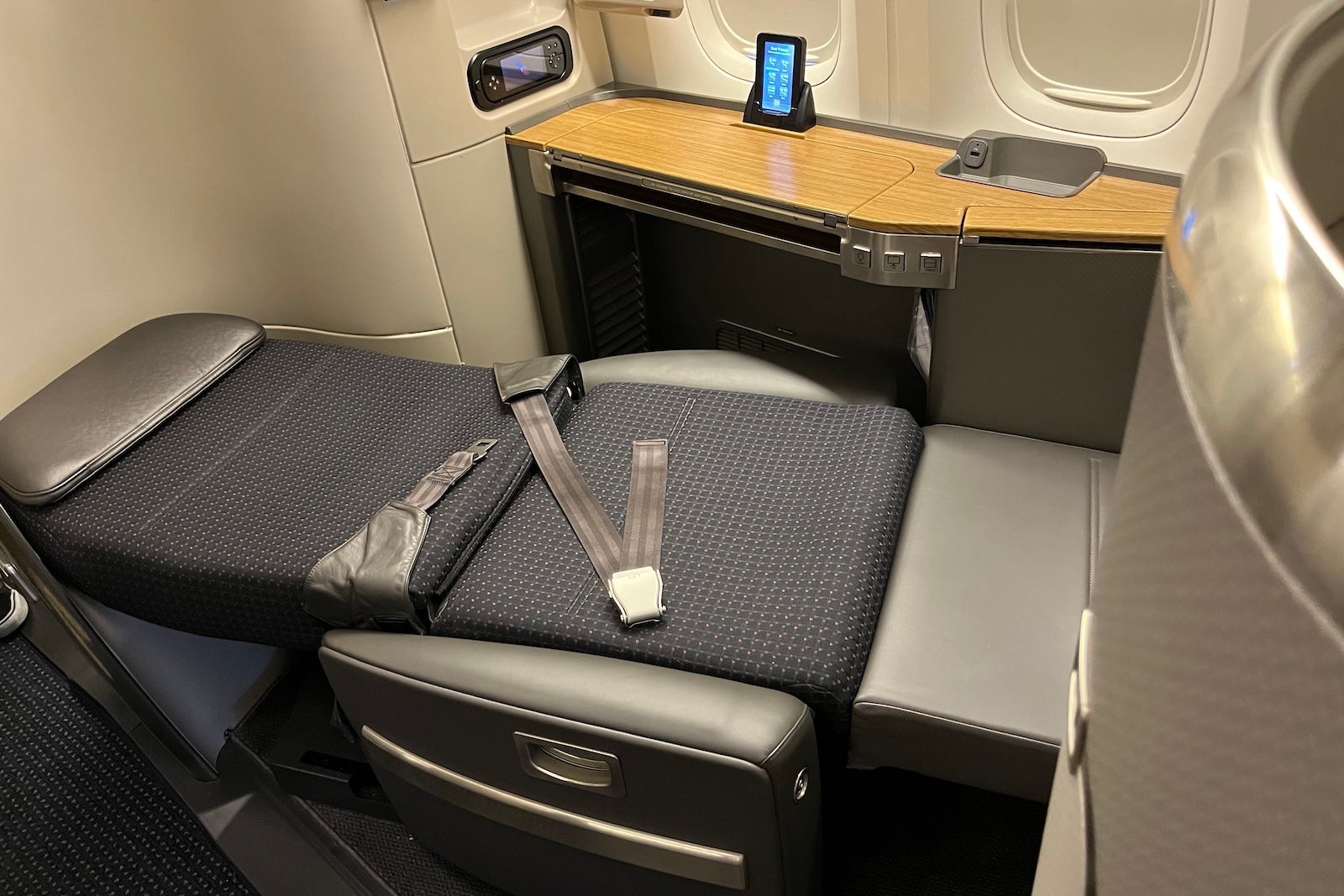
In recent years, you could only find the cabin on two fleet types American operated: its Boeing 777-300ER, which offered eight of the pods up front in their own dedicated cabin.
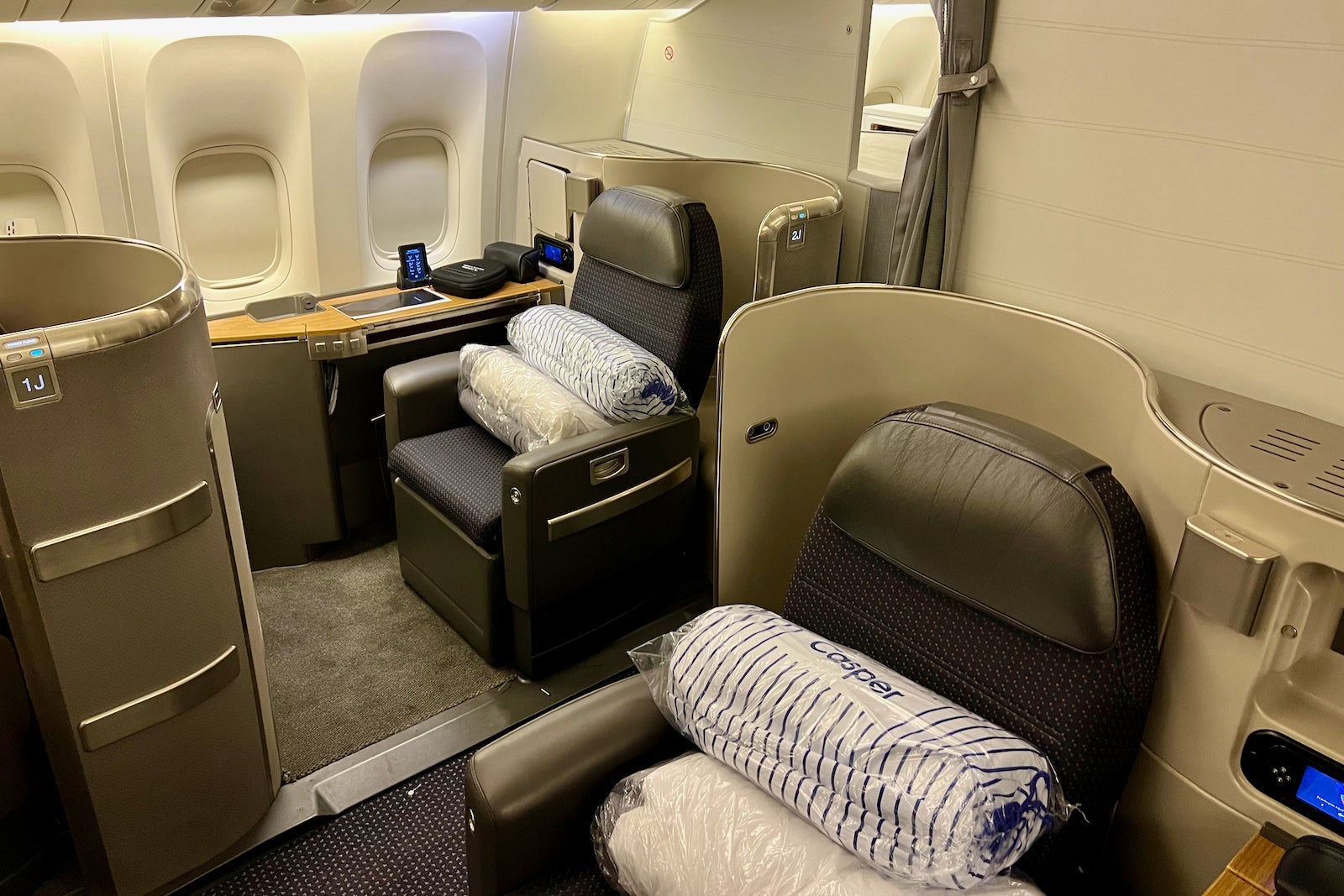
Plus, AA still (for now) offers Flagship First on its three-cabin Airbus A321T, which has been a fixture on lucrative coast-to-coast routes like New York to Los Angeles and San Francisco.
But soon, it will be a thing of the past on both planes.

How the Flagship First phase-out will work
American is retrofitting its larger 777s, ditching first-class in favor of 70 all-new Flagship Suites in business-class — along with the biggest premium economy cabin it’s ever offered.
Related: This is now American Airlines’ most premium plane: Here’s what it’s like on board
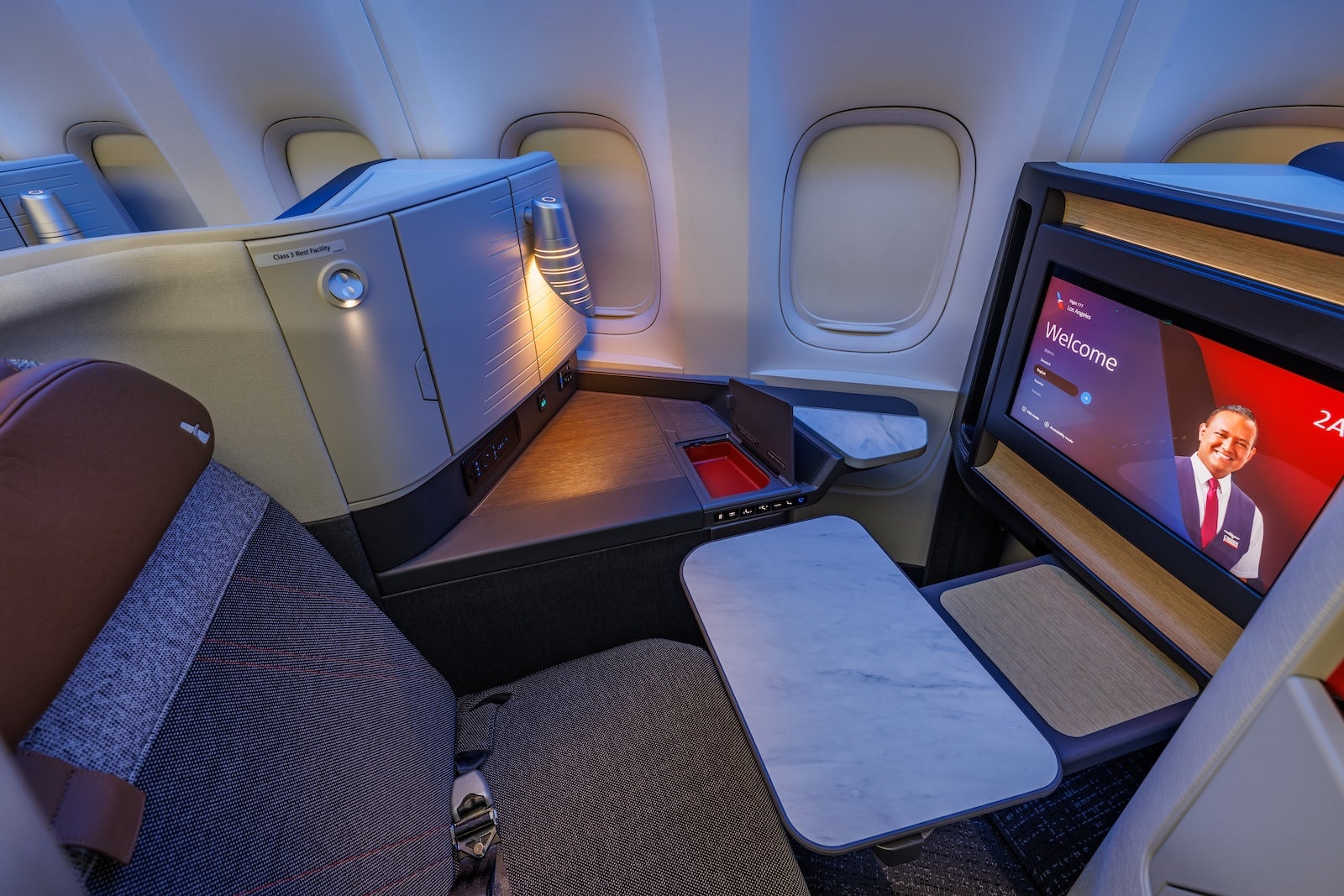
On domestic routes, the A321T will actually keep flying with Flagship First through March 28.
But after that, AA will stop selling the Flagship First cabin on the A321T configuration, which is eventually going away as American flexes in its new A321XLR planes fully onto its top cross-country flights.

Is this overdue?
In a lot of ways, American ditching Flagship First is a positive (and arguably overdue) transition for flyers.
It’ll give passengers more lie-flat seats to pick from, whether they’re paying cash, using AAdvantage miles or using a systemwide upgrade.
Also — while those Flagship First seats were really spacious and comfortable, many would say that American’s new business-class product is a major upgrade from what it previously offered in that cabin.
On some planes, that even includes extra-spacious Flagship Suites Preferred in the front and bulkhead rows of some planes, which offer a lot more space.
Value check: Is it worth buying up to American Airlines’ new business-class Flagship Suite Preferred?
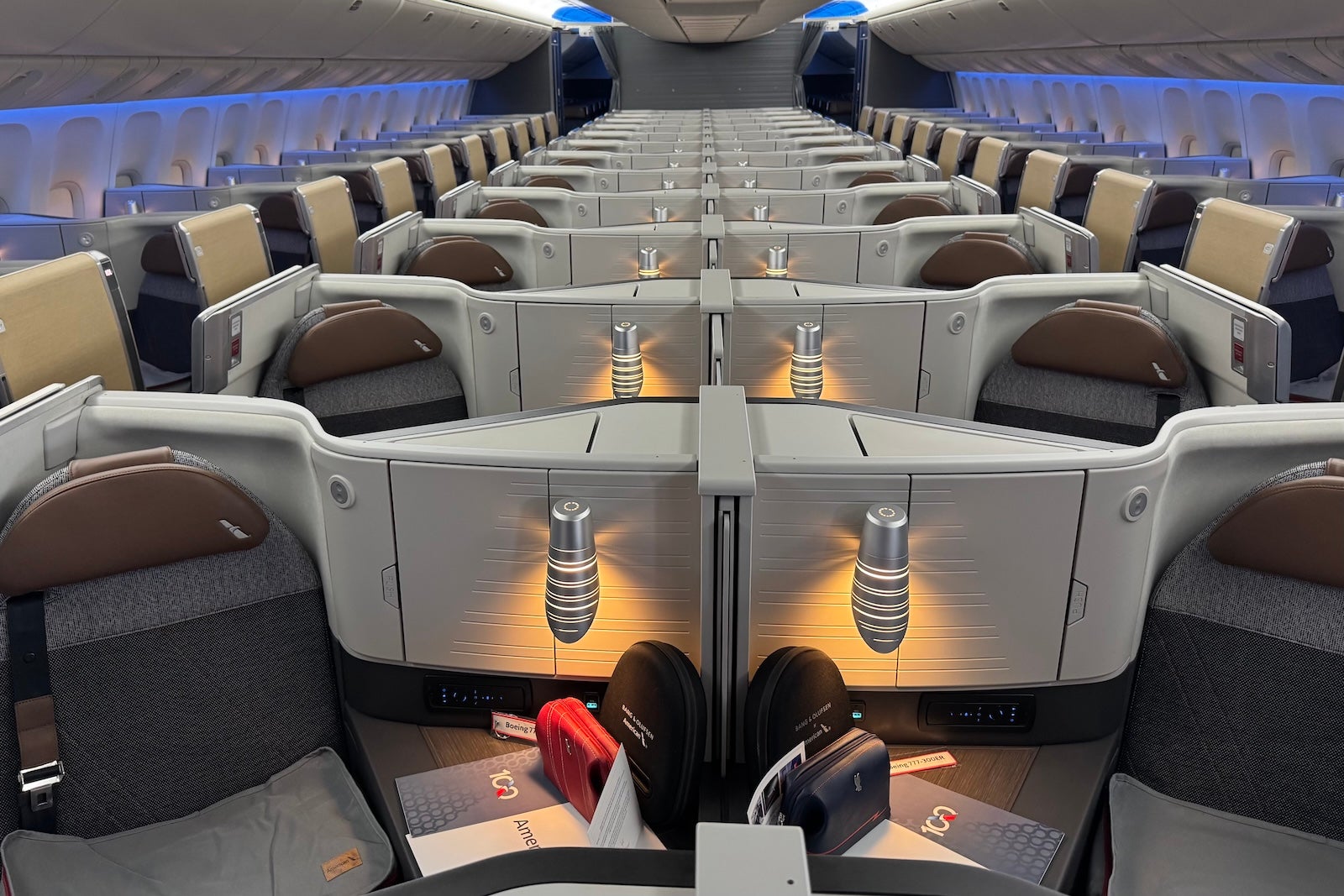
Beyond the aircraft, American also plans to still offer many of the same amenities for business-class that first-class passengers historically enjoyed.
For instance, its Flagship business-class tickets now get access to its premium lounges. Passengers traveling in Flagship Business and Flagship Business Plus on qualifying international, transcontinental and Hawaii routes will also be able to have a meal in its exclusive restaurant-style dining rooms in Dallas, Los Angeles and Miami.
The experience is available on a space-available basis.
So, in some ways, you could argue the end of Flagship First is more symbolic than anything.
Bittersweet ending for some American loyalists
But for some AA loyalists, it’s still a little bittersweet.
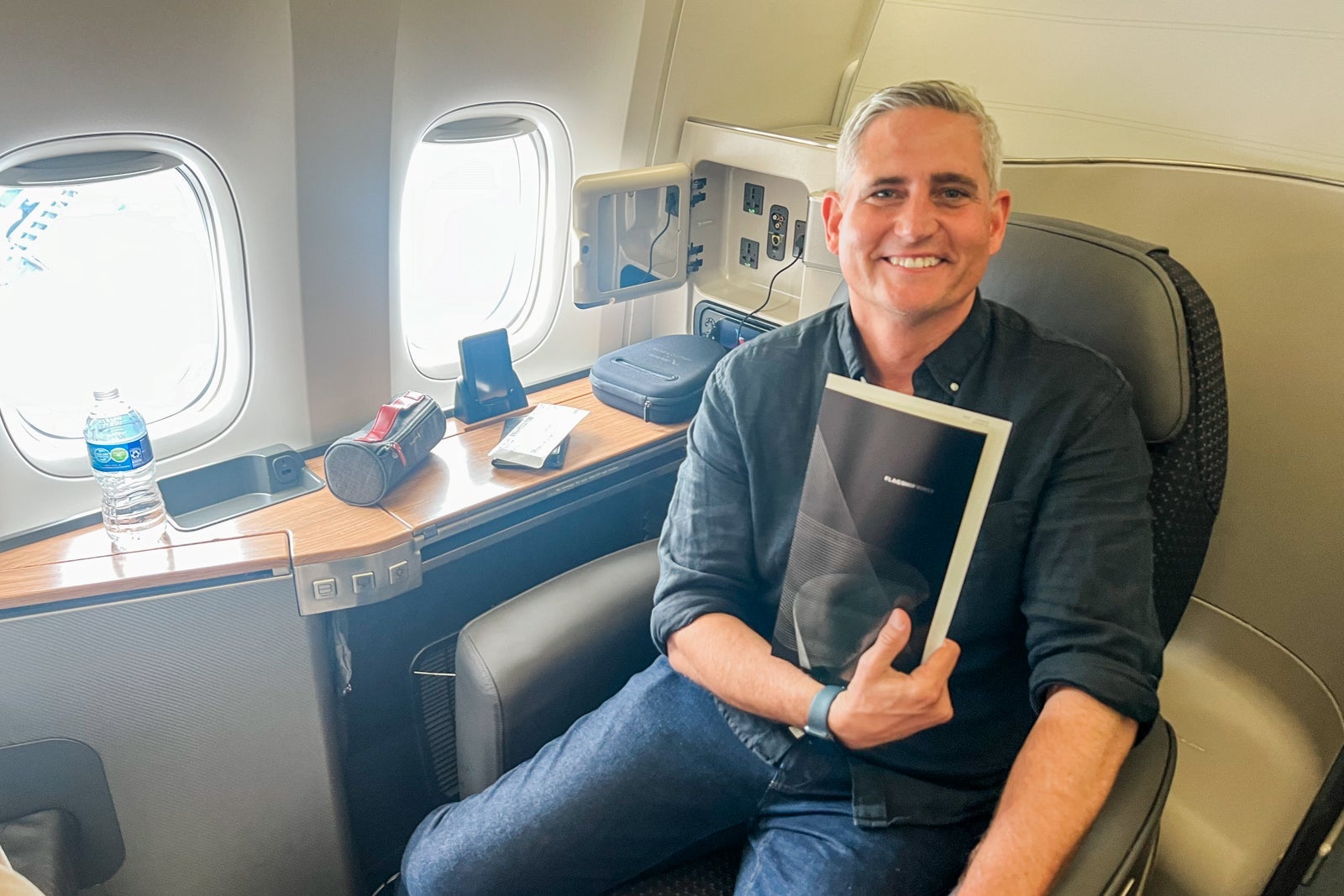
TPG’s Clint Henderson is our resident Flagship First enthusiast, having flown the cabin on dozens of occasions.
“The service in first class wasn’t particularly differentiated, but I still liked a few of the special touches,” he said, pointing to the additional soup course and appetizer, along with a handful of elevated amenities.
He especially appreciated the “La-Z-Boy-style” seats at the front of American’s 777s, which could lie flat or swivel and turn into an “office in the sky.”
“While these cabins are definitely showing their age,” Henderson added, “I’m sad to see it go.”
Surprise and delight
While Flagship First is technically going away as an official cabin on international service, the seats themselves won’t disappear overnight.
So far, American has only retrofitted one of its 20 Boeing 777-300ERs that feature the seats. That means a handful of jets with the old first-class seats will still be flying around well into 2027.
Going forward, the former Flagship First seats on those planes will be marketed as business-class. They won’t come with the full first-class service, but you’ll still get the elevated seat.
Related reading:

Purina Pro Plan Complete Essentials Chicken & Rice Dry Dog Food, 35 lb Bag | Shredded Blend crunchy kibble with tender pieces, real chicken as the first ingredient, live probiotics for digestive health
$74.48 (as of November 20, 2026 03:24 GMT +00:00 - More infoProduct prices and availability are accurate as of the date/time indicated and are subject to change. Any price and availability information displayed on [relevant Amazon Site(s), as applicable] at the time of purchase will apply to the purchase of this product.)
Wall Charger, Surge Protector, QINLIANF 5 Outlet Extender with 4 USB Ports | 1680 Joules, 3-Sided Power Strip, Multi Plug Wall Outlet Adapter Spaced for Home Travel Office, White
$9.48 (as of November 20, 2026 03:28 GMT +00:00 - More infoProduct prices and availability are accurate as of the date/time indicated and are subject to change. Any price and availability information displayed on [relevant Amazon Site(s), as applicable] at the time of purchase will apply to the purchase of this product.)
Purina ONE Lamb and Rice Formula Dry Dog Food for Digestive Support | Dog food with real lamb as first ingredient, Microbiome Balanced and prebiotic fiber, supports digestive health
$48.98 (as of November 20, 2026 03:24 GMT +00:00 - More infoProduct prices and availability are accurate as of the date/time indicated and are subject to change. Any price and availability information displayed on [relevant Amazon Site(s), as applicable] at the time of purchase will apply to the purchase of this product.)
Banana Bunch (4-5 Count)
(as of November 20, 2026 03:24 GMT +00:00 - More infoProduct prices and availability are accurate as of the date/time indicated and are subject to change. Any price and availability information displayed on [relevant Amazon Site(s), as applicable] at the time of purchase will apply to the purchase of this product.)












Post Comment