
Iran’s Energy Crisis Ignites a “Silent War” Threatening the Backbone of Its Industry — What It Means for Global Markets Revealed!
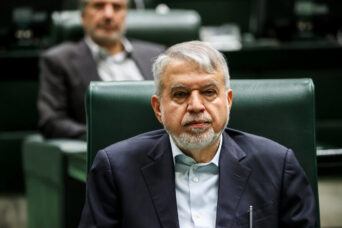
Ever heard of a “silent war” that’s tougher than what you see in history books? Well, Iranian President Masoud Pezeshkian just threw that phrase into the mix to describe his country’s ongoing economic struggle. Instead of bombs and trenches, this battle is playing out in factories and power grids, where energy shortages have companies grinding to a halt while government offices might have to take a backseat. Now, that’s a strategic pivot you don’t see every day—prioritizing factory power to keep the wheels of industry turning despite crippling blackouts. But here’s the kicker: in a place where politics is as complex as a chess game played by grandmasters, such a stance fuels whispers about Pezeshkian’s political survival. Is he steering through a storm that could capsize his leadership, or just doing what it takes to keep Iran’s economy ticking? Only time will tell, but it’s a story packed with high stakes and tough calls. LEARN MORE
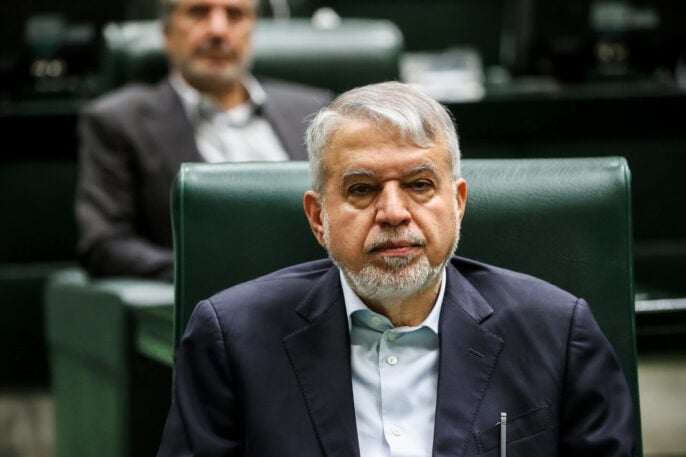
Iranian President Masoud Pezeshkian has described the country’s current economic challenges as a “silent war,” suggesting a situation more challenging than conventional warfare. Addressing investors, Pezeshkian advocated prioritizing energy for factories over government offices amid ongoing shortages. This stance indicates a strategic focus on maintaining industrial operations despite the country’s severe energy crisis, which has led to blackouts and production halts. Such comments may intensify speculation about his political future, given Iran’s complex power dynamics and the pressures facing its leadership.
Key Takeaways
- Pezeshkian’s comments appear to highlight the severity of Iran’s economic struggles, framing them as a “silent war.”
- Market pricing suggests increased speculation about Pezeshkian’s potential departure, although the source limits the expected impact.
- The current market for Pezeshkian’s departure by December 31 is priced at 5.5% YES, reflecting a low probability scenario.
What to Watch
Developments in Iran’s energy policy and Pezeshkian’s handling of the crisis will be critical to monitor. Statements or actions by key figures such as Ayatollah Ali Khamenei or the IRGC could influence perceptions of Pezeshkian’s stability in office. Additionally, any change in Iran’s international relations or economic indicators could alter the market’s outlook on his political future. Watch for any official announcements or rumors regarding leadership changes as the December 31 deadline approaches.

SUPERDANNY Extension Cord,Flat Plug Surge Protector Power Strip,10Ft | 8 AC & 4 USB Ports (2 USB C),Surge Protector with 1050J,Desk Charging Station for Home Office,College Dorm Room Essentials
$11.39 (as of November 21, 2026 03:28 GMT +00:00 - More infoProduct prices and availability are accurate as of the date/time indicated and are subject to change. Any price and availability information displayed on [relevant Amazon Site(s), as applicable] at the time of purchase will apply to the purchase of this product.)
Amazon Basics Leak-Proof Dog and Puppy Potty Training Pee Pads with Quick-Dry 5-Layer Super Absorbent Design, Regular Size 22 x 22 inch, Blue & White, 100 Count
$16.30 (as of November 21, 2026 03:24 GMT +00:00 - More infoProduct prices and availability are accurate as of the date/time indicated and are subject to change. Any price and availability information displayed on [relevant Amazon Site(s), as applicable] at the time of purchase will apply to the purchase of this product.)
Core Power Fairlife 26g Protein Milk Shakes, Liquid Ready To Drink for Workout Recovery, Chocolate, 14 Fl Oz Bottle (Pack of 12)
$41.88 (as of November 21, 2026 03:24 GMT +00:00 - More infoProduct prices and availability are accurate as of the date/time indicated and are subject to change. Any price and availability information displayed on [relevant Amazon Site(s), as applicable] at the time of purchase will apply to the purchase of this product.)
Blue Buffalo Bits Salmon Training Treats, 4 oz | Real Salmon First, DHA for Cognitive Development, No Chicken By-Product Meals, Corn, Wheat, or Soy
$4.98 (as of November 21, 2026 03:24 GMT +00:00 - More infoProduct prices and availability are accurate as of the date/time indicated and are subject to change. Any price and availability information displayed on [relevant Amazon Site(s), as applicable] at the time of purchase will apply to the purchase of this product.)









Post Comment