
Bitcoin Defies Chaos: How $6.3 Billion Binance Hack Failed to Shake Crypto’s Titan – What’s Next for Investors?
Ever wonder what happens when a North Korea-linked crew swipes a jaw-dropping $6.3 billion from Binance’s hot wallets in just 20 frantic minutes? Most of us would expect the crypto markets to plunge into chaos—but Bitcoin? It barely twitched, shrugged off a modest dip, and bounced right back like a seasoned pro. That reaction alone tells you something huge is going on behind the scenes. This wasn’t just a theft; it was the largest digital-asset heist in history, a blazing-fast multi-chain blitz that put even the most guarded vaults to the test. Yet, despite the eye-watering sum—and the geopolitical drama playing out—the market barely blinked. Why? Because Binance stepped up, covered the losses from its own deep pockets, and ensured users walked away unscathed. What does this mean for investors, exchanges, and the future of crypto security? Stick with me as we unravel this high-stakes tale of digital crime, resilience, and what comes next. LEARN MORE
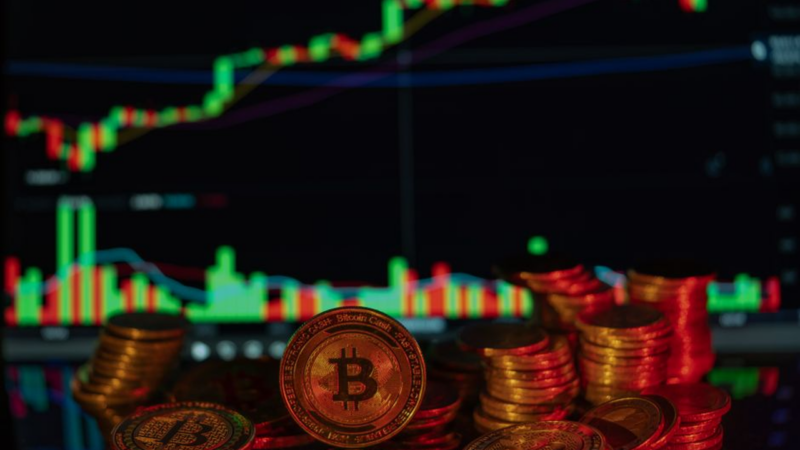
A North Korea-linked theft drained Binance hot wallets in about 20 minutes, yet Bitcoin’s price barely flinched
Someone stole approximately $6.3 billion from Binance on October 29, 2026. Bitcoin shrugged, took a modest hit, and went back to business.
That reaction is the real story. The breach is now the largest single digital-asset theft on record.
Twenty minutes, ten-plus chains, one very bad day
The attack hit Binance’s hot wallets. Think of a hot wallet as the cash register at the front of the store, connected to the internet so customers can withdraw quickly, unlike the vault in the back.
The theft spanned more than ten blockchains and unfolded in roughly 20 minutes. Total losses landed somewhere between $6.3 billion and $6.36 billion, depending on the tally.
The FBI and blockchain analytics firms tied the operation to TraderTraitor, a North Korean hacking group. The incident eclipsed the Bybit breach from 2025, which had previously held the unwanted title.
Binance pays the bill
Binance covered the losses entirely, using its own corporate funds and reserves.
Users were made whole. Withdrawals resumed within days of the breach.
The exchange also pushed out updates to its proof-of-reserves. Proof-of-reserves is a public accounting exercise meant to show an exchange actually holds the assets it owes customers.
The market noticed. Bitcoin fell approximately 5% after the breach, sliding to around $76,400.
Then it stabilized. The recovery started quickly rather than spiraling into a broader sell-off.
Following the money
The hackers have not had an easy time spending their haul. As of late November 2026, coordinated action by authorities had frozen or seized roughly $2.85 billion of the stolen assets.
Those freezes came through a mix of legal measures and tracing tools built to flag and block illicit transfers.
An estimated $2.35 billion to $2.67 billion still sat in wallets linked to the attackers as of late November.
Some of the funds have been run through Bitcoin mixers and cross-chain protocols. Mixers pool coins from many users to blur who sent what to whom, while cross-chain protocols let assets hop between networks.
Why the muted reaction matters
Binance’s decision to cover losses is likely a big part of the muted market reaction. When users do not lose money, contagion fears have less fuel.
More than $2.8 billion locked down within about a month undercuts the old idea that stolen crypto simply vanishes.
What this means for investors and exchanges
A user-friendly outcome here depended on one exchange having the reserves to eat a loss of this size. Not every platform has that cushion. A similar breach at a smaller exchange could end very differently for its customers.
The attack also exposes how vulnerable hot wallets remain, even at the largest venues. Draining funds across more than ten blockchains in about 20 minutes is a stress test that security teams across the industry will be studying closely.
The North Korean attribution adds a geopolitical layer. State-linked groups have strong incentives to keep targeting crypto platforms.
The key items to watch are whether the remaining $2.35 billion to $2.67 billion in hacker-linked wallets gets frozen or laundered, and whether Binance’s reserves hold up under continued scrutiny. Movement of those funds through mixers could also renew regulatory attention on privacy tools.
Disclosure: This article was edited by John Chen. For more information on how we create and review content, see our Editorial Policy.

Diet Coke Soda Soft Drink Cans, 12 fl oz, 12 Pack | No sugar, no calories, 46 mg caffeine per can
$8.42 (as of November 23, 2026 03:24 GMT +00:00 - More infoProduct prices and availability are accurate as of the date/time indicated and are subject to change. Any price and availability information displayed on [relevant Amazon Site(s), as applicable] at the time of purchase will apply to the purchase of this product.)
STRELLALAB No Poo Chews for Dogs - Coprophagia & Stool Eating Deterrent | Probiotics, Digestive Enzymes & Breath Aid Support - Stop Dog Poop Eating (120Ct, Turkey)
$17.99 (as of November 23, 2026 03:27 GMT +00:00 - More infoProduct prices and availability are accurate as of the date/time indicated and are subject to change. Any price and availability information displayed on [relevant Amazon Site(s), as applicable] at the time of purchase will apply to the purchase of this product.)
Propel, Kiwi Strawberry, Zero Calorie Sports Drinking Water with Electrolytes and Vitamins C&E, 16.9 Fl Oz (12 Count)
$10.67 (as of November 23, 2026 03:24 GMT +00:00 - More infoProduct prices and availability are accurate as of the date/time indicated and are subject to change. Any price and availability information displayed on [relevant Amazon Site(s), as applicable] at the time of purchase will apply to the purchase of this product.)
Bloom Nutrition Zero Sugar Energy Drink, Apple Crisp, 12oz 12pk | 180mg natural caffeine with prebiotics, green tea extract & lychee for energy, focus and feel-good refreshment.
$24.99 (as of November 23, 2026 03:24 GMT +00:00 - More infoProduct prices and availability are accurate as of the date/time indicated and are subject to change. Any price and availability information displayed on [relevant Amazon Site(s), as applicable] at the time of purchase will apply to the purchase of this product.)











Post Comment