
Brace Yourself: Irish Healthcare Costs Surge 8.3% in 2027 – What This Means for Your Wallet and Investment Strategy!
Here’s a question that might keep more than a few folks awake at night: Can Irish businesses really dodge the rising healthcare cost bullet set to hit 8.3% next year? According to a recent WTW survey, while Ireland’s medical inflation increase sits just below the global storm of 10.2%, it’s still no small potatoes. After steady climbs of 7.7% and 8% in recent years, this uptick isn’t exactly a surprise—but it sure is a curveball for employers trying to keep a lid on expenses. With global health insurance costs projected to break 10% for yet another year and regional spikes across Asia Pacific, North America, and beyond, the pressure cooker is on. The real kicker? Employers can’t just slash benefits willy-nilly—they need sharp strategies, savvy plan choices, and data-driven insights to make every healthcare investment count. Buckle up, because navigating these rising tides means turning a challenge into an opportunity rather than just counting the costs. LEARN MORE
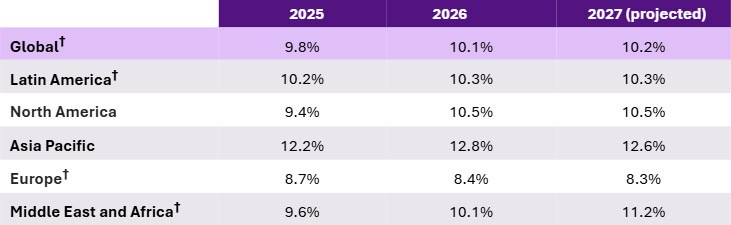
Healthcare costs in Ireland are set to increase by 8.3% next year, below the global average of 10.2%, according to a WTW survey.
The Nasdaq-listed advisory firm has projected that global health insurance will increase by more than 10% for the second successive year in 2027 after growing 10.1% in 2026.
Regionally, the highest cost increases are forecast in Asia Pacific (+12.6%), the Middle East and Africa (+11.2%), North America (+10.5%) and Latin America (+10.3%).
In Europe, medical cost increases are projected to ease slightly, from 8.4% in 2026 to 8.3% in 2027.
After recording inflation of 8% in 2025 and 7.7% this year, medical costs in Ireland are projected to hit 8.3% in 2027.
Irish medical inflation is in line with the European average and lower than the UK (8.8%), Italy (9.5%) and Spain (9.0%) in Western Europe.
The top conditions by cost, across Europe, are cardiovascular, cancer, behavioural health and musculoskeletal conditions.
New medical technologies, provider fee increases, ageing populations, decline in public health systems and advancements in pharmaceuticals are the primary drivers of increasing medical costs.
“Medical costs in Ireland are forecast to rise by 8.3% in 2027, in line with the European average, so some level of cost increase for employers is going to be difficult to avoid,” said Orlagh Farrington, head of health and benefits Ireland at WTW.
“The important question is how employers manage that increase. Looking closely at provider and plan choice, and using claims, utilisation and demographic data to understand current and future employee needs, can help employers make better decisions about where they spend.
“The aim shouldn’t simply be to reduce benefits, but to make sure healthcare investment is focused where it delivers the greatest value for their employees.”
According to the survey, nearly half (49%) of insurers that expect higher medical and pharmacy trends over the next three years expect those increased trends to persist for longer.
New medical technologies are the main driver of medical and pharmacy costs, cited by 76% of insurers, ahead of provider fee increases (65%) and pharmaceutical advancements (45%).
Cancer remains the leading condition driving total medical costs globally, with 62% of insurers identifying it as a top cost condition.

Nearly two-thirds (61%) of insurers reported an increase in cancer diagnoses among patients under 40 compared with the past two years.
When looking specifically at the fastest-growing conditions by cost, cardiovascular conditions rank first (54%), followed by cancer (51%) and diabetes (28%).
Photo: Orlagh Farrington. (Pic: file)

for Airpods Pro 3 Case Cover with Magnetic Lock Lid, Orange | Magsafe Compatible,with Cleaning Kit & Carabiner,Heavy Duty Shockproof, Drop Protection,Automatic Snap Switch,As Phone Stand
$17.99 (as of November 27, 2026 03:39 GMT +00:00 - More infoProduct prices and availability are accurate as of the date/time indicated and are subject to change. Any price and availability information displayed on [relevant Amazon Site(s), as applicable] at the time of purchase will apply to the purchase of this product.)
soundcore by Anker Q20i Hybrid Active Noise Cancelling Headphones, Black | Over-Ear, Bluetooth, 40H ANC Playtime, Hi-Res Audio, Big Bass, Transparency Mode, Customize via App, Travel, Home, Office
$37.97 (as of November 27, 2026 03:29 GMT +00:00 - More infoProduct prices and availability are accurate as of the date/time indicated and are subject to change. Any price and availability information displayed on [relevant Amazon Site(s), as applicable] at the time of purchase will apply to the purchase of this product.)
FUJIFILM Instax Mini Instant Film Twin Pack (White), 20 Photos | The instax film ensures sharp
$14.99 (as of November 27, 2026 03:29 GMT +00:00 - More infoProduct prices and availability are accurate as of the date/time indicated and are subject to change. Any price and availability information displayed on [relevant Amazon Site(s), as applicable] at the time of purchase will apply to the purchase of this product.)
Blue Buffalo Bits Salmon Training Treats, 4 oz | Real Salmon First, DHA for Cognitive Development, No Chicken By-Product Meals, Corn, Wheat, or Soy
$3.49 (as of November 27, 2026 03:25 GMT +00:00 - More infoProduct prices and availability are accurate as of the date/time indicated and are subject to change. Any price and availability information displayed on [relevant Amazon Site(s), as applicable] at the time of purchase will apply to the purchase of this product.)














Post Comment